Jim Schroder's Travel
  • Home
  • Trips
Select Page

Chile and Easter Island

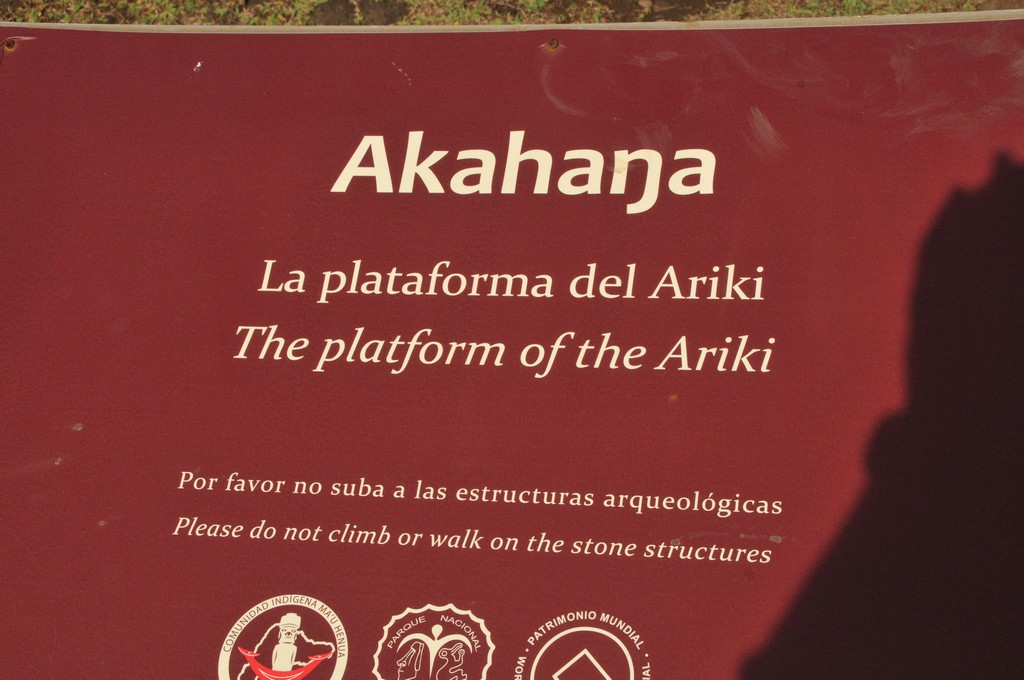
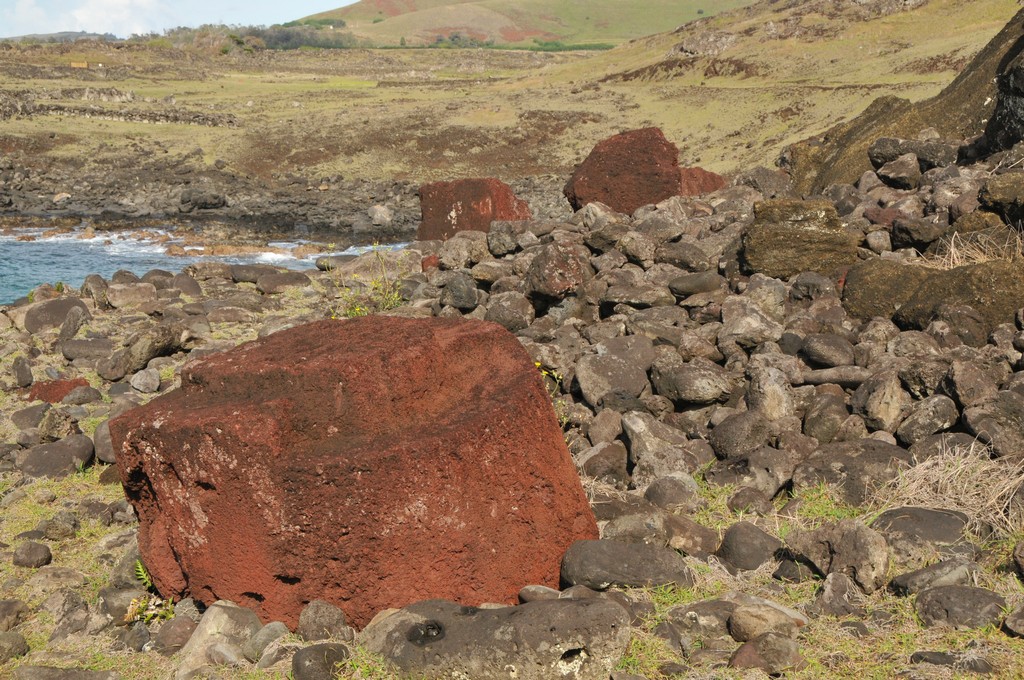
n front of the platform, there are several of the pukao or headdresses of volcanic red scoria that topped the statues. On the right, very close to the shore, there is a fallen moai forward that does not have carved eyes, but has preserved its features very well in spite of erosion.
DSC_7978
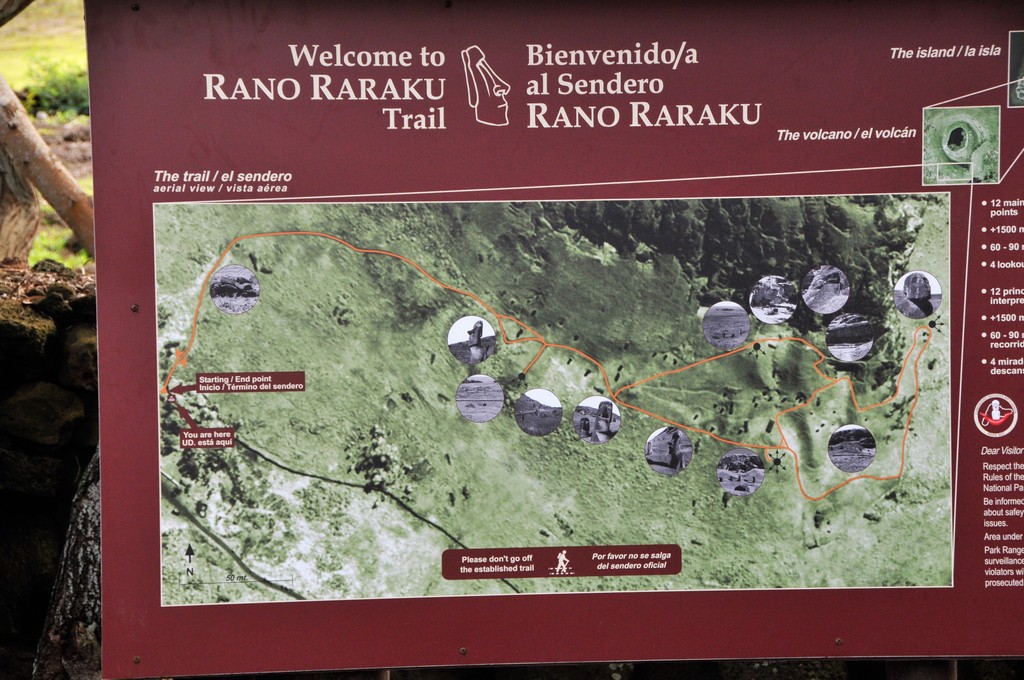
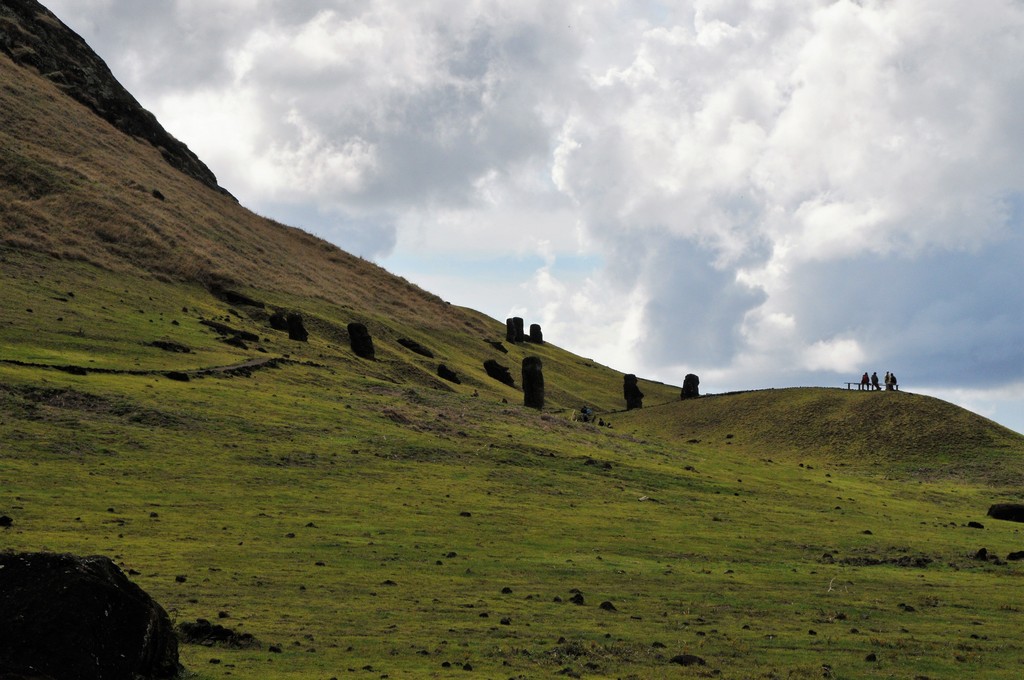
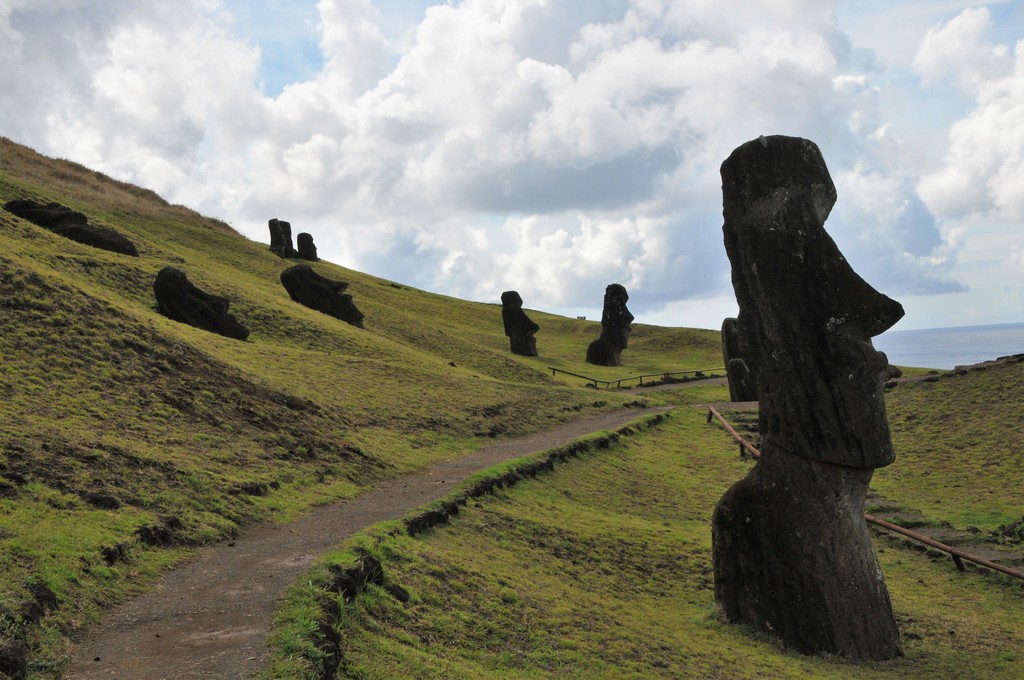
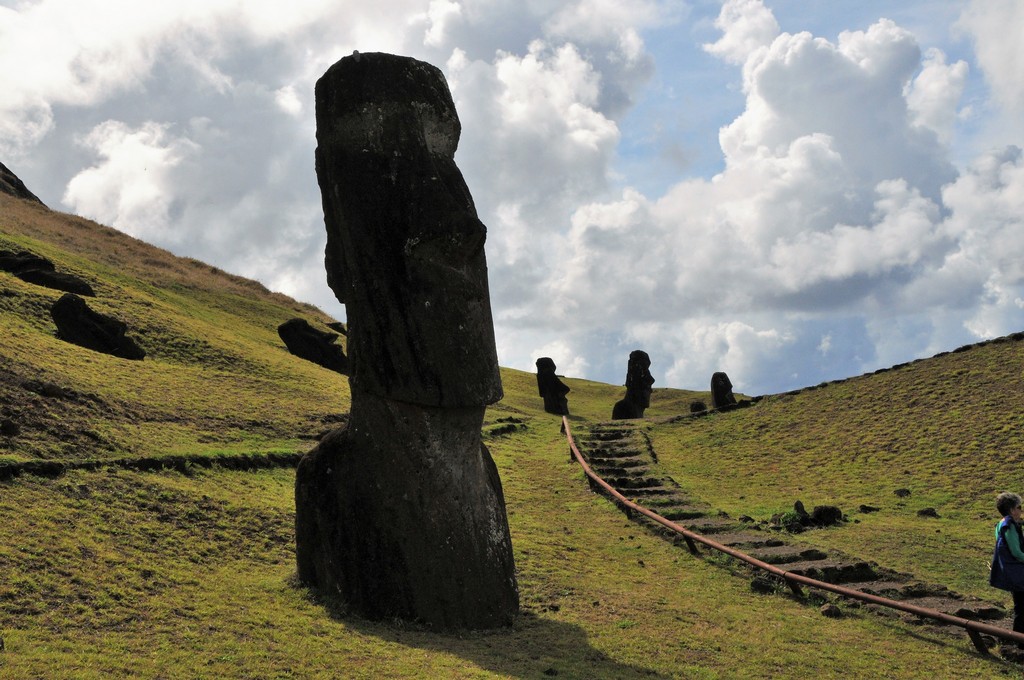
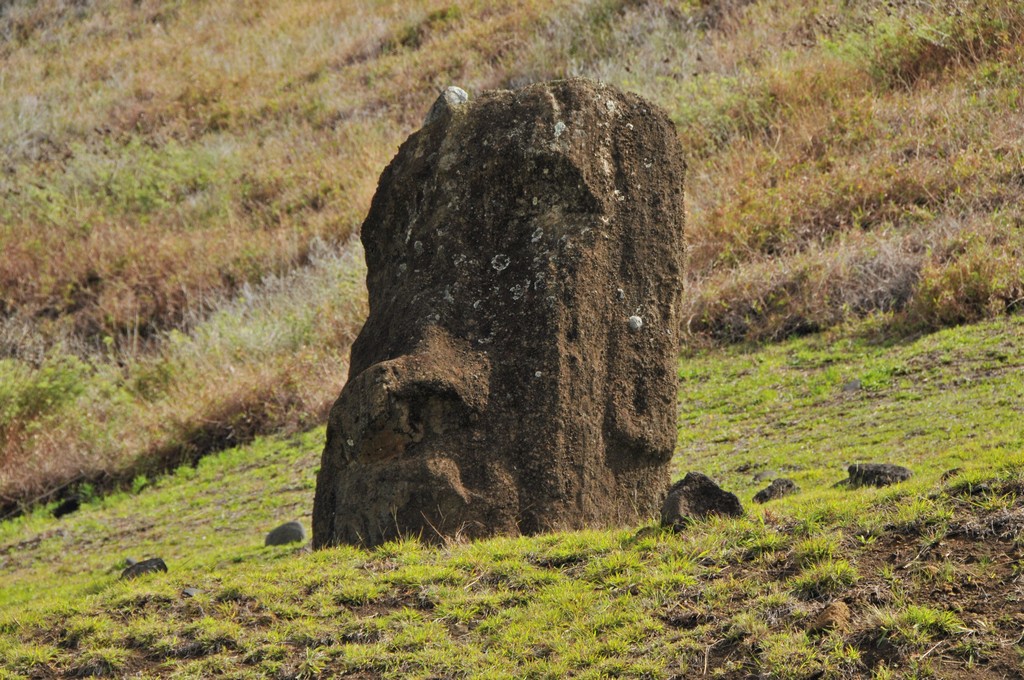
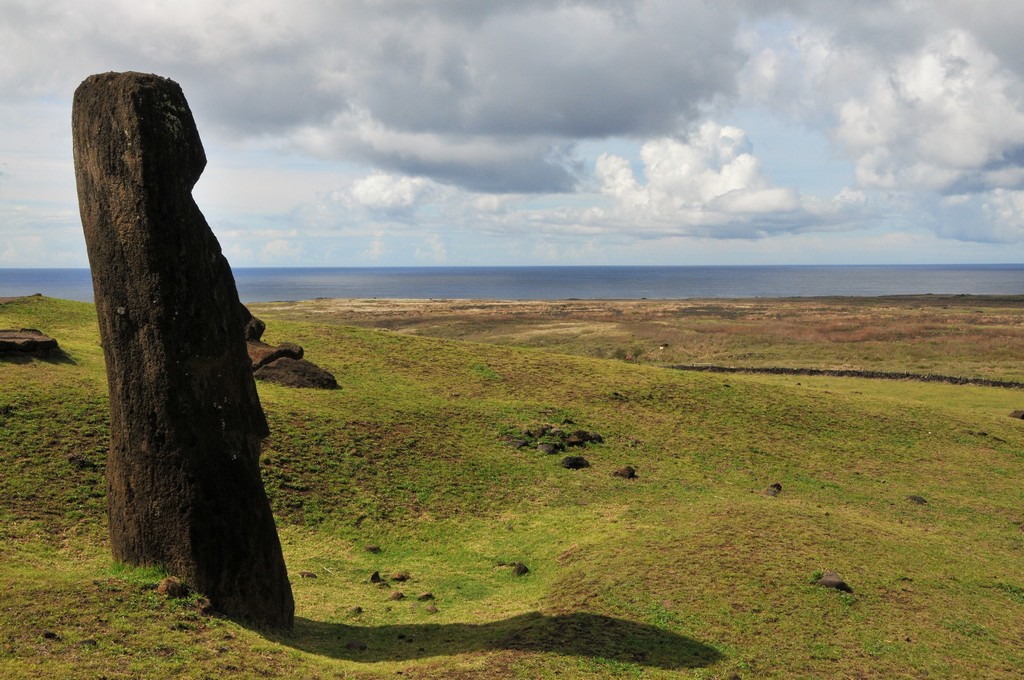
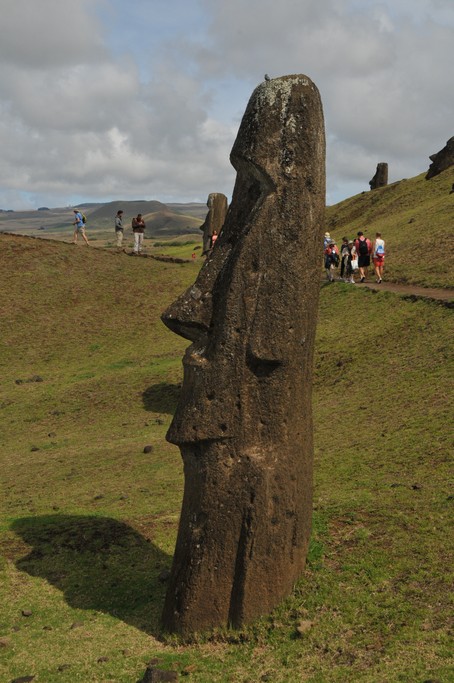
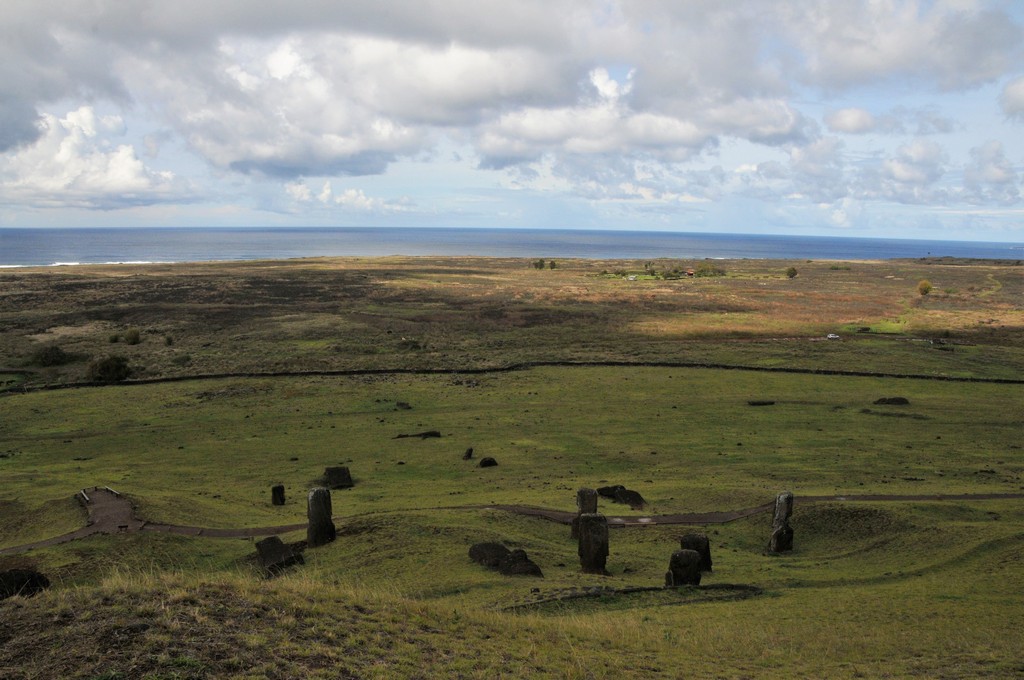
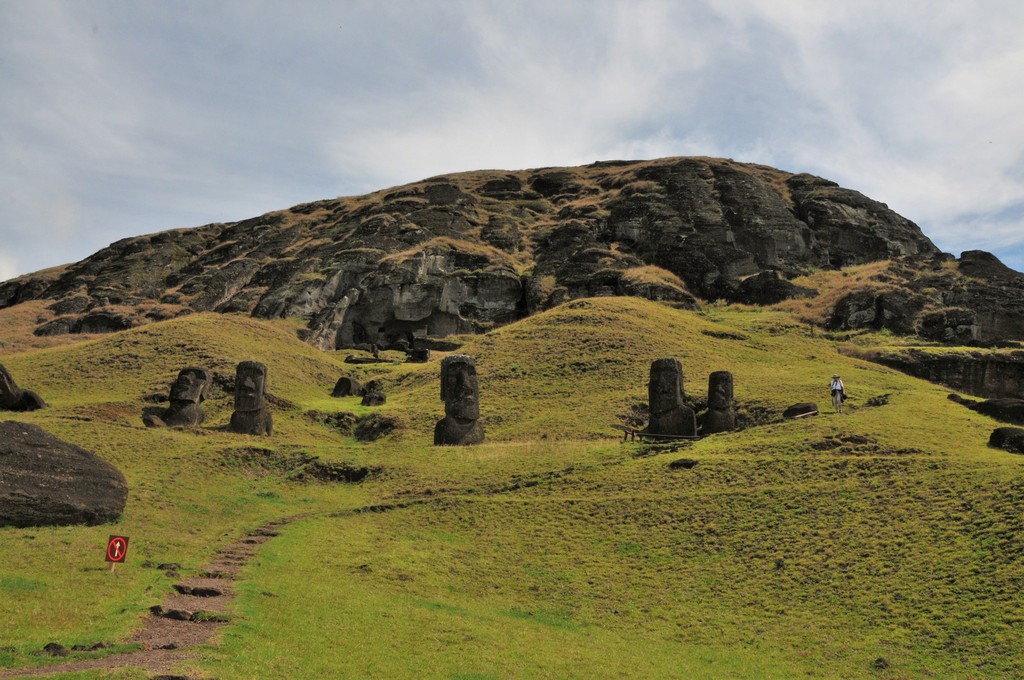
Outer slopes of Rano Raraku with many moai, some half-buried, some left still "under construction" near the mountain. Rano Raraku is a volcanic crater formed of consolidated volcanic ash, or tuff, and located on the lower slopes of Terevaka in the Rapa Nui National Park on Easter Island in Chile. It was a quarry for about 500 years until the early eighteenth century, and supplied the stone from which about 95% of the island's known monolithic sculptures (moai) were carved. Rano Raraku is a visual record of moai design vocabulary and technological innovation, where 397 moai remain. Rano Raraku is in the World Heritage Site of Rapa Nui National Park and gives its name to one of the seven sections of the park.
Moai are the enormous "Easter Island heads" that have come to symbolize the ancient traditions of Rapa Nui, the native culture of Easter Island. Now a part of Chile, Easter Island is the most isolated, western point of the Polynesian Triangle of the South Pacific. Rapa Nui civilization flourished on Easter Island between 1250 and 1500.
Anciant artisians of Easter Island depended on the quarry at Rano Raraku to supply the volcanic stone of the islands famous Moai that have come to symbolize Easter Island civilization.
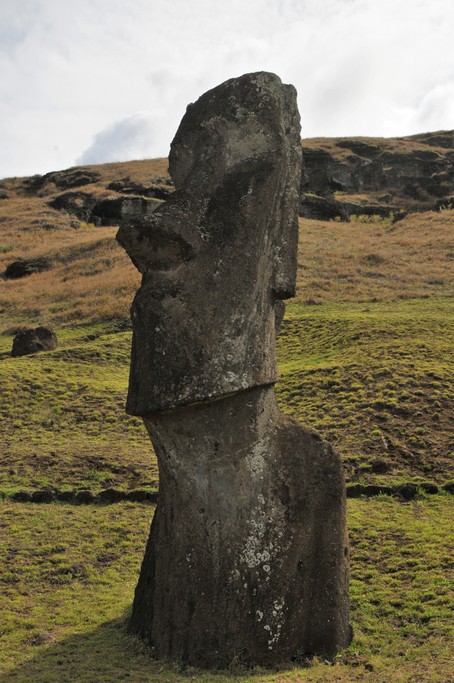
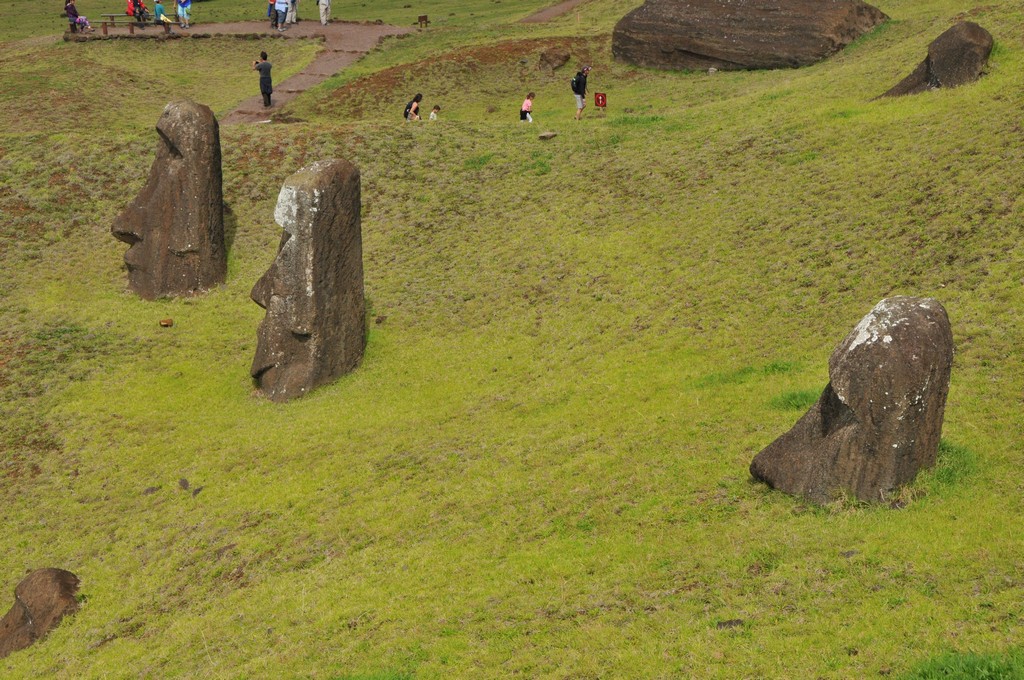
On the outside of the quarry are a number of moai, some of which are partially buried to their shoulders in the spoil from the quarry. They are distinctive in that their eyes were not hollowed out, they do not have pukao and they were not cast down in the island's civil wars. For this last reason, they supplied some of the most famous images of the island.
Most moai are made of tuff. Tuff is a soft volcanic rock native to Easter Island. (A few moai were carved from basalt and scoria, other volcanic rocks.) Because tuff erodes easily, few of the moai's original designs remain. Moai that were buried retain some original markings, which are similar to Rapa Nui tattoos of the period.
DSC_7986
Walk among giants in the legendary moai statue quarry Rano Raraku. This volcano that was turned into a factory invokes a sense of mystery in an almost surreal way, stronger than any other place at Easter Island. This is the heart of ancient Rapa Nui civilization with hundreds of abandoned moais scattered around. Almost all moai statues were carved here, before being transported to all other corners of the island.
Moai are called "Easter Island heads" for two reasons. First, the statues' heads are disproportionately large: the average head-to-body ratio is 3/5. Second, many moai are buried to their shoulders, making them appear as only heads.
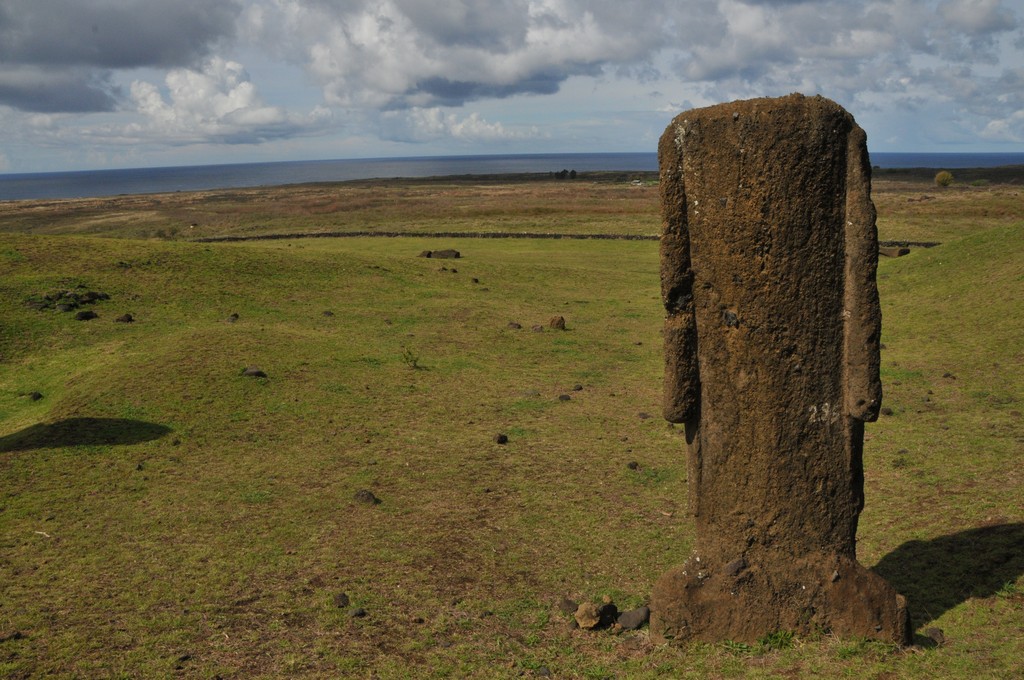
Backside of a Moai
Moai are known for their exaggerated brow ridge and nose. However, most moai also had decorated eyes. Rapa Nui sculptors used white coral in the eye sockets, with black obsidian or red scoria for the pupils.
Since tuff is soft, it is also fragile. With only wind, rain and temperature changes, the rock withers quite quickly. This means that the Rano Raraku moai statues are slowly disappearing. We see the effects now of the tooth of time over the last centuries, but the ancient statue carvers didn't worry about this, and probably didn't even know that the tuff would have this characteristic over time.
The tradition of building statues lasted four centuries. The moais were small at first, but as skills were constantly refined, the statues grew in size over the generations. In the end, monstrous megaliths of up to 10 meters tall and 80 tons heavy were successfully carved and transported kilometers over hilly terrain. This took a big toll at the forest population. Due to the island's small size and fragile ecosystem, total deforestation was the result, from being a jungle with millions of palm trees when people had first arrived less than thousand years earlier. Since big amounts of lumber was needed only to transport the statues and not for carving them, the production could go on for a while, but the moais could not be taken out of the quarry. This is may be why there are so many large, refined statues in perfect condition, ready to be delivered, but simply were left behind instead.
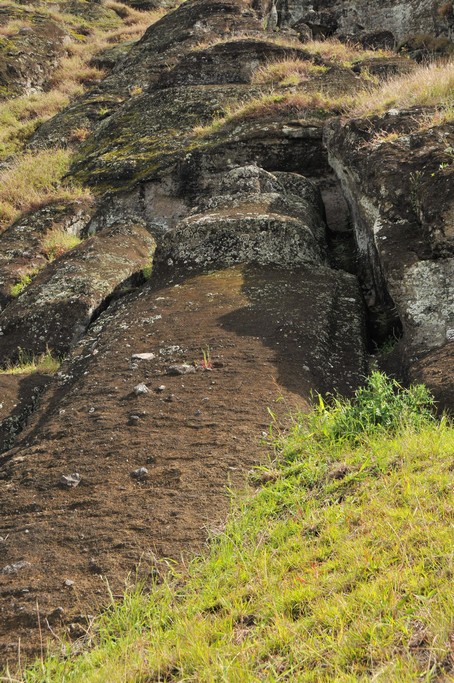
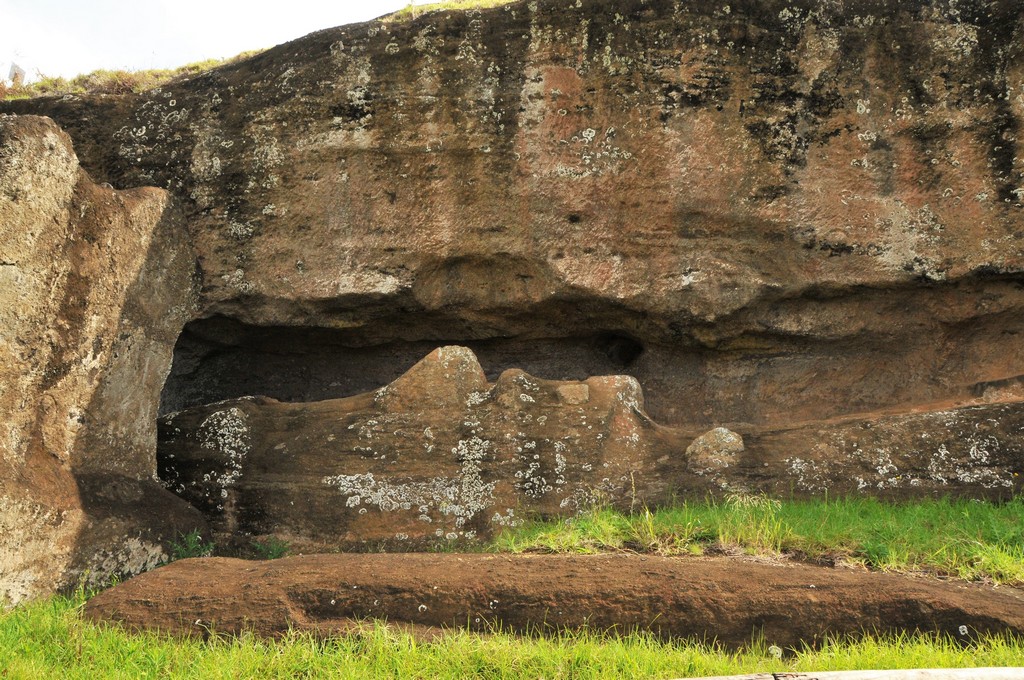
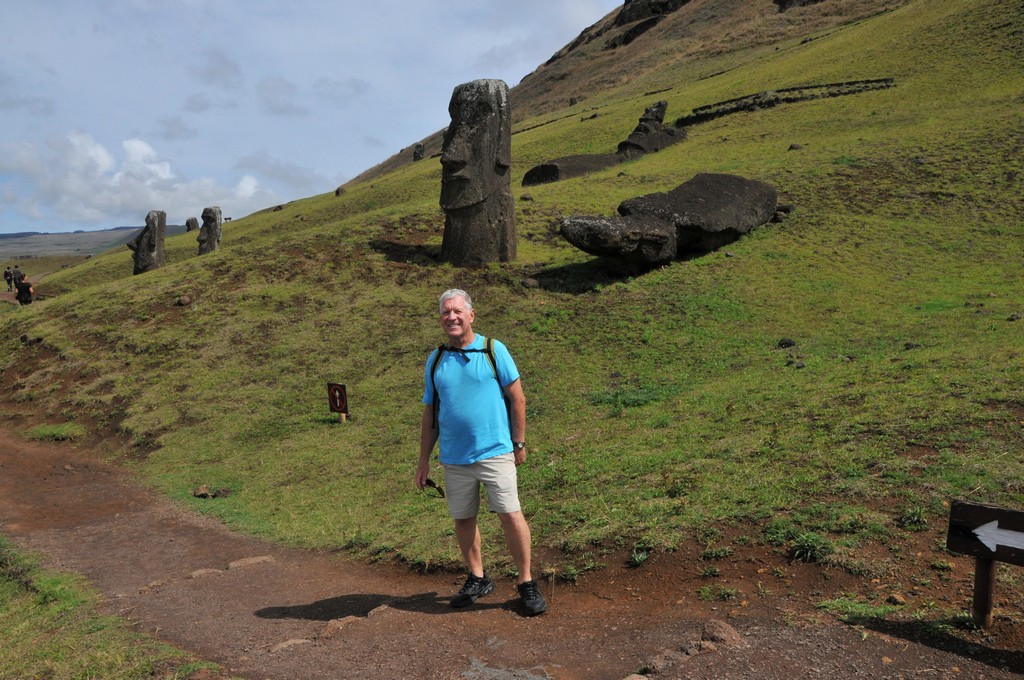
Some never were raised from the ground
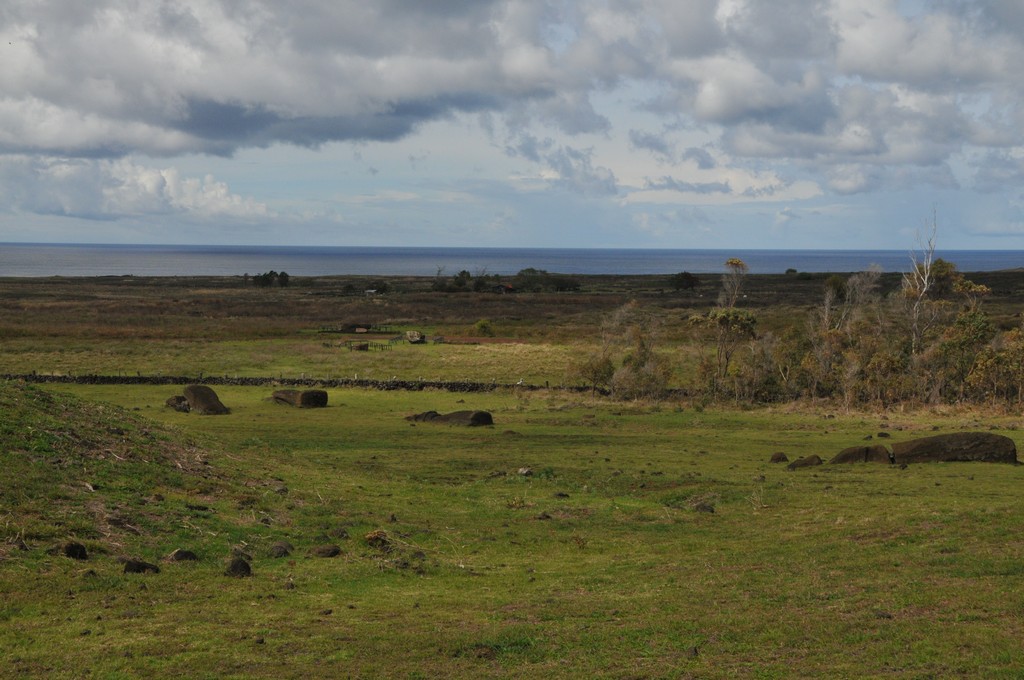
Some broke as they were being carried and just left behind
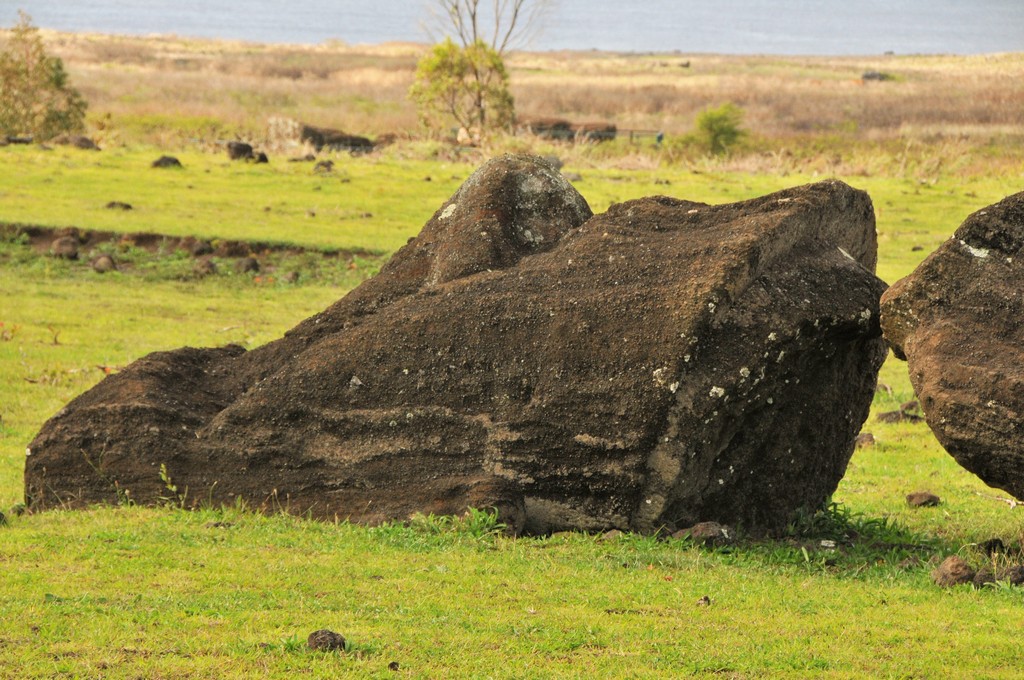
All moai were toppled in the 18th century, following a Rapa Nui civil war or other internal conflict. Like the moai above, most moai were deliberately pushed face-down. The hundreds of moai standing on Easter Island today were restored by historians, anthropologists, and archaeologists in the 20th century.
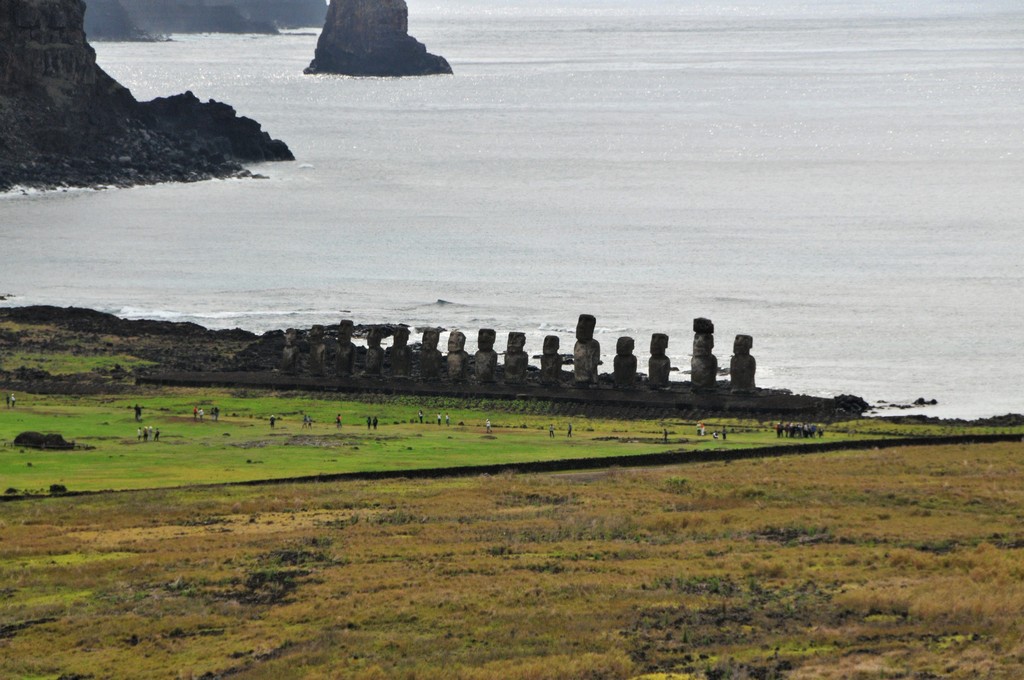
Ahu Tongariiki in the distance
There are approximately 400 statues left at Rano Raraku. Of these, around half are finished and the rest never reached a completed state.
DSC_8004
[Show slideshow]
◄ 1 ... 3 4 5 ... 30 ►
© 2026 Jim Schroder