Jim Schroder's Travel
  • Home
  • Trips
Select Page

Serbia

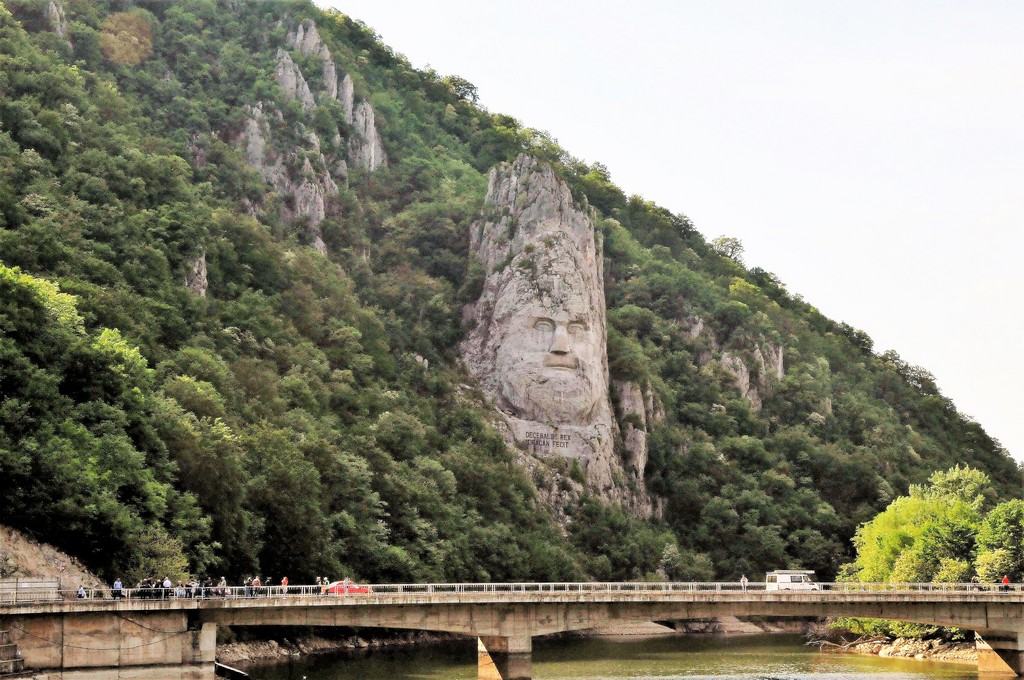
The  sculpture was made between 1994 and 2004, on a rocky outcrop on the river Danube, at the Iron Gates, which form the border between Romania and Serbia. It is located near the city of Orșova in Romania.
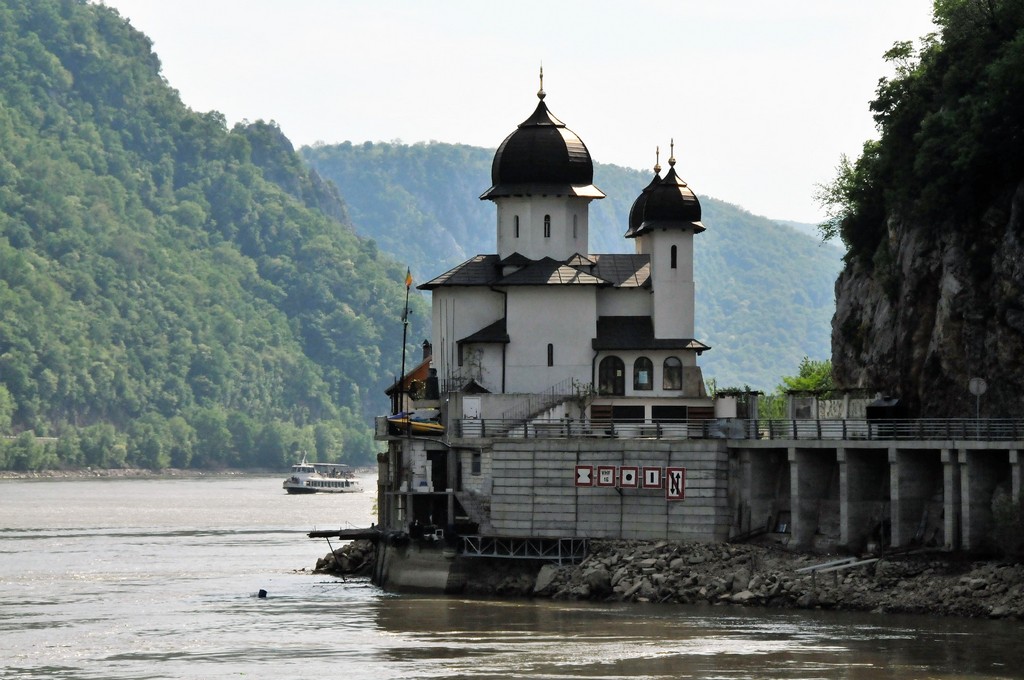
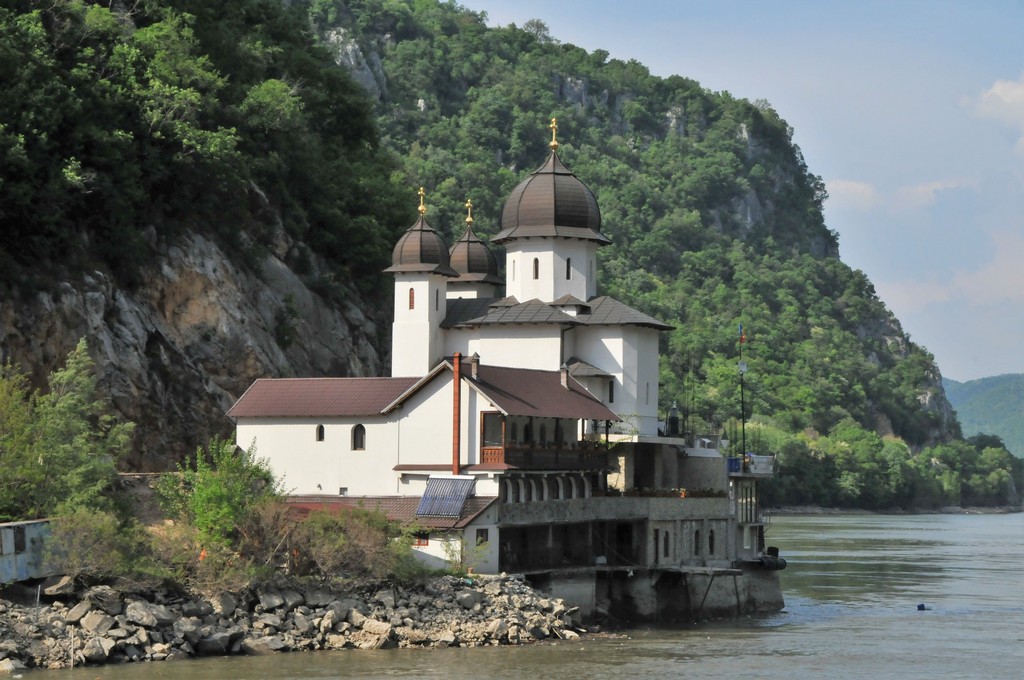
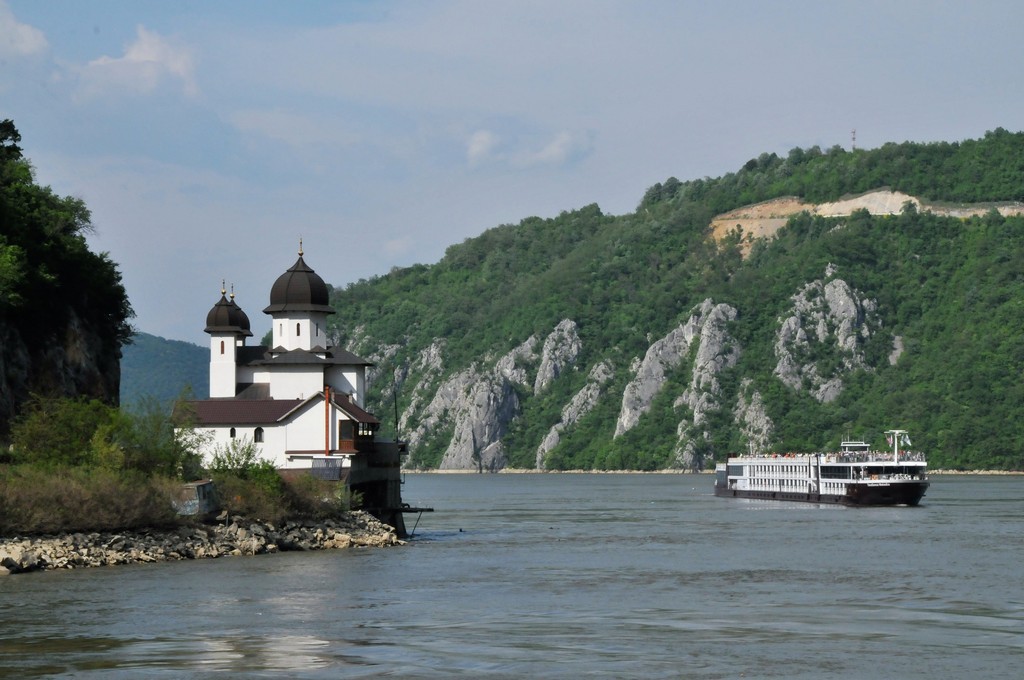
The old monastery of Mraconia  was flooded when the dams were built. To commemorate it, a new church was built on the Danube river bank.
Monastery Mraconia is found on the nicest part of the Danube, at the Cazanele Dunarii, which was a very important place for directing the ships and giving them instructions. There was considerable differences in the level of the Danube, creating thus dangerous circles.
The place on which it was built was called "the bubble", because the point of observation there. The word "Mraconia" means "corner" or "dark water".
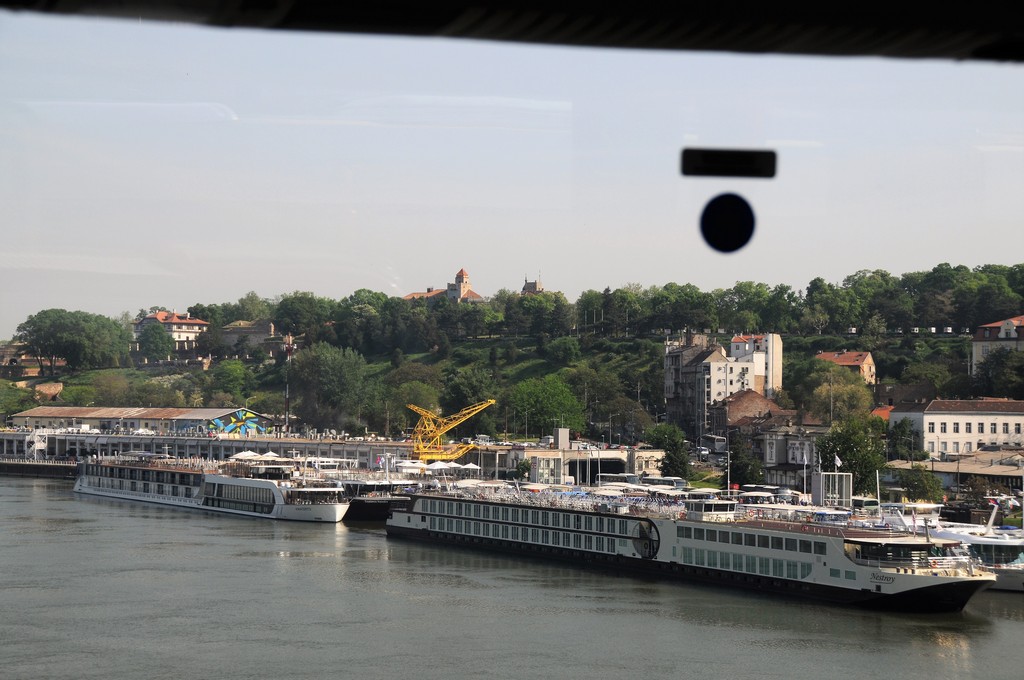
Welcome to Belgrade, the Capital of Serbia and the former capital of Yugoslavia.
Home to a number of River Boats stopping for a visit.
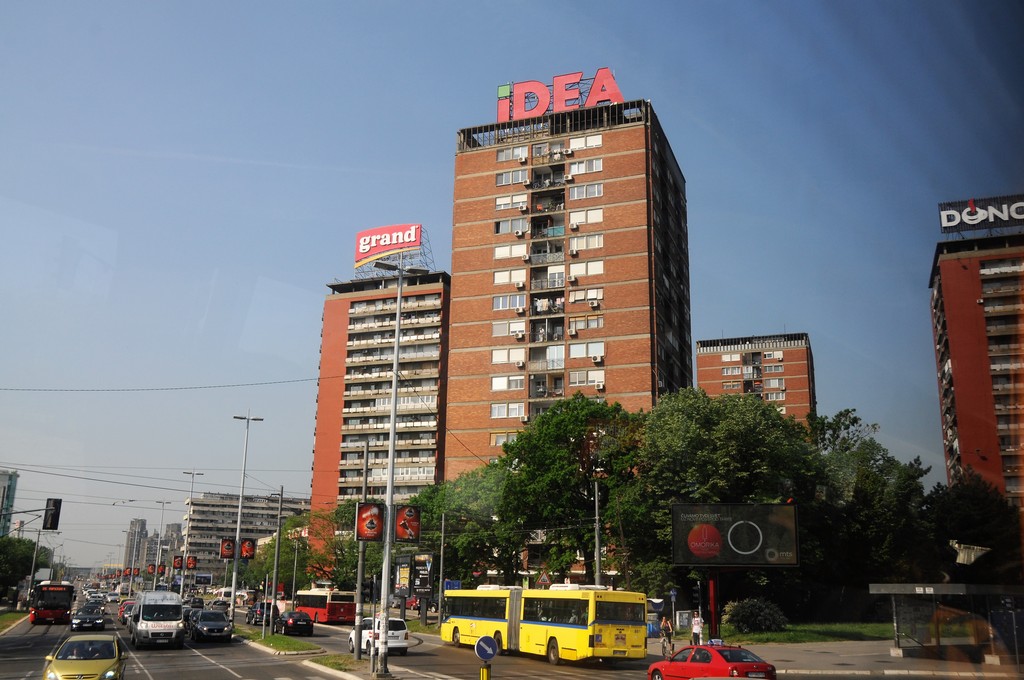
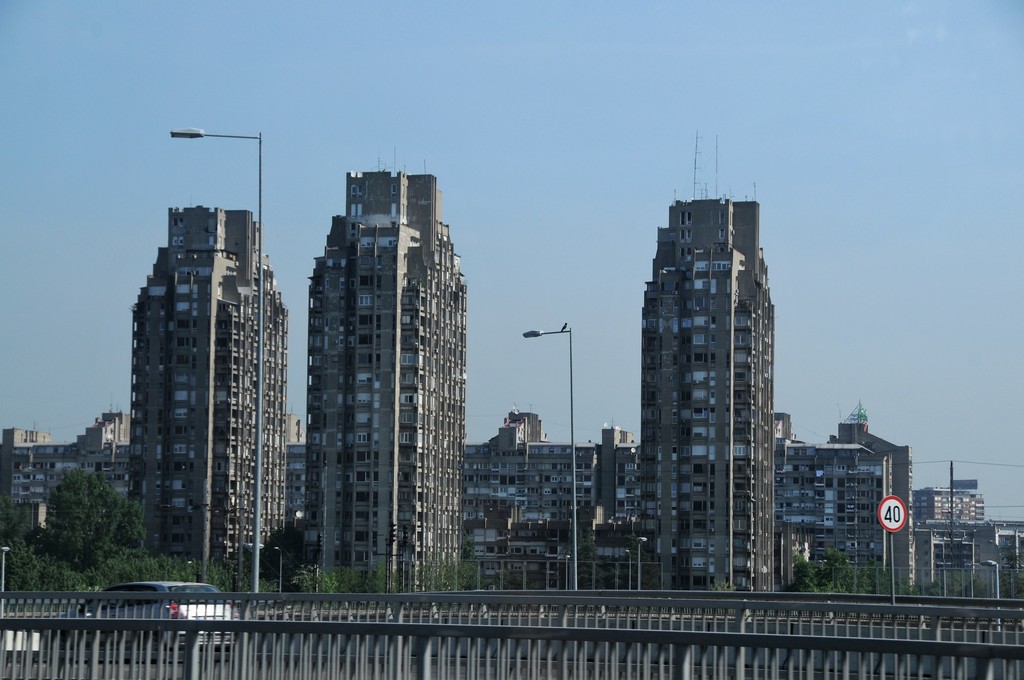
Bisected by the Sava river, Belgrade is a town of two halves: the old and the new. New Belgrade was constructed during the socialist era and the grid of blocks retains its Soviet feel. I
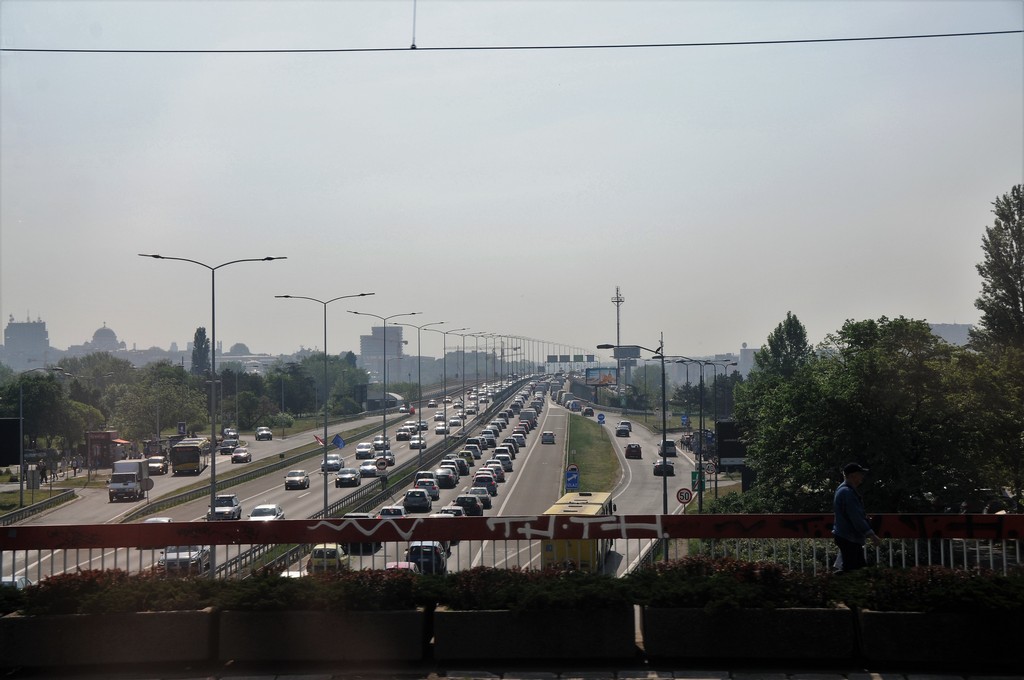
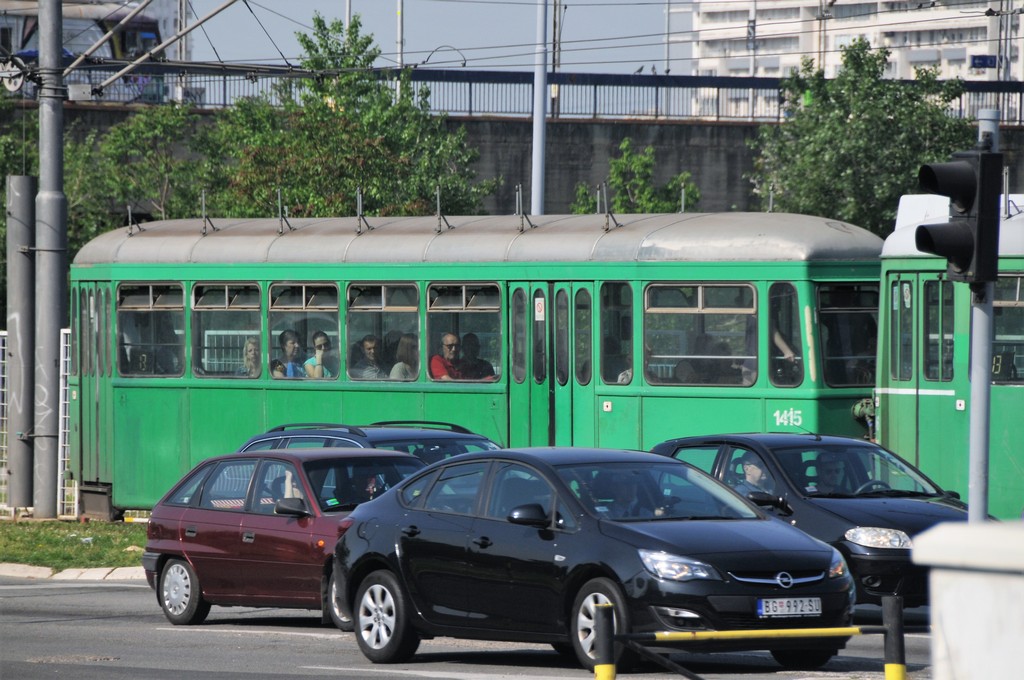
Traffic jams are universal all over the world.
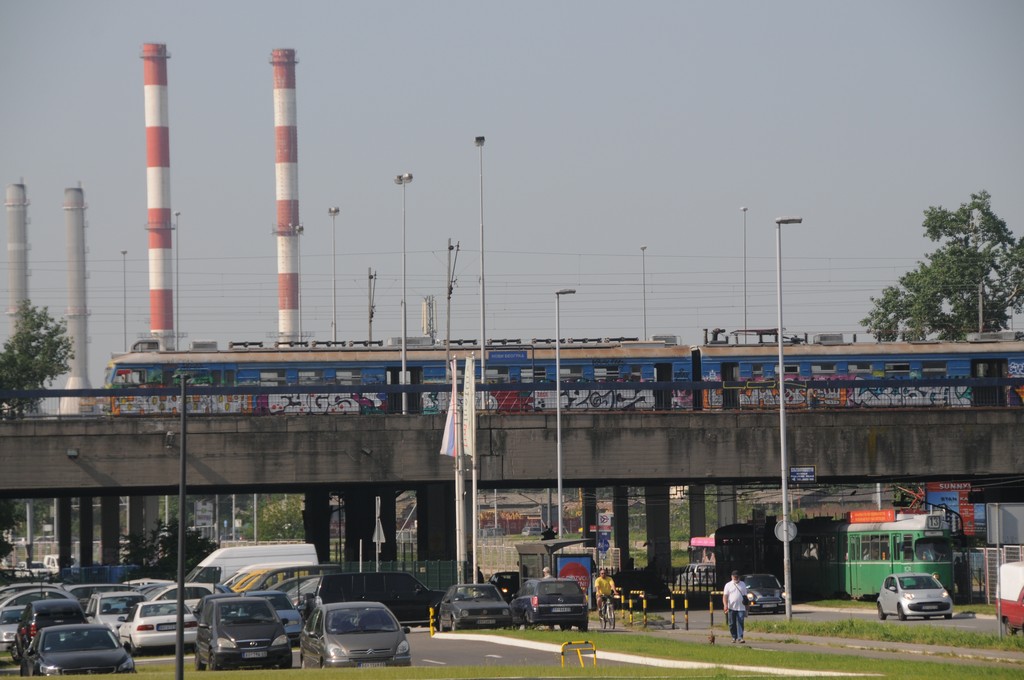
Graffiti on the side of the train cars on the bridge above the street.
Soviet era street cars
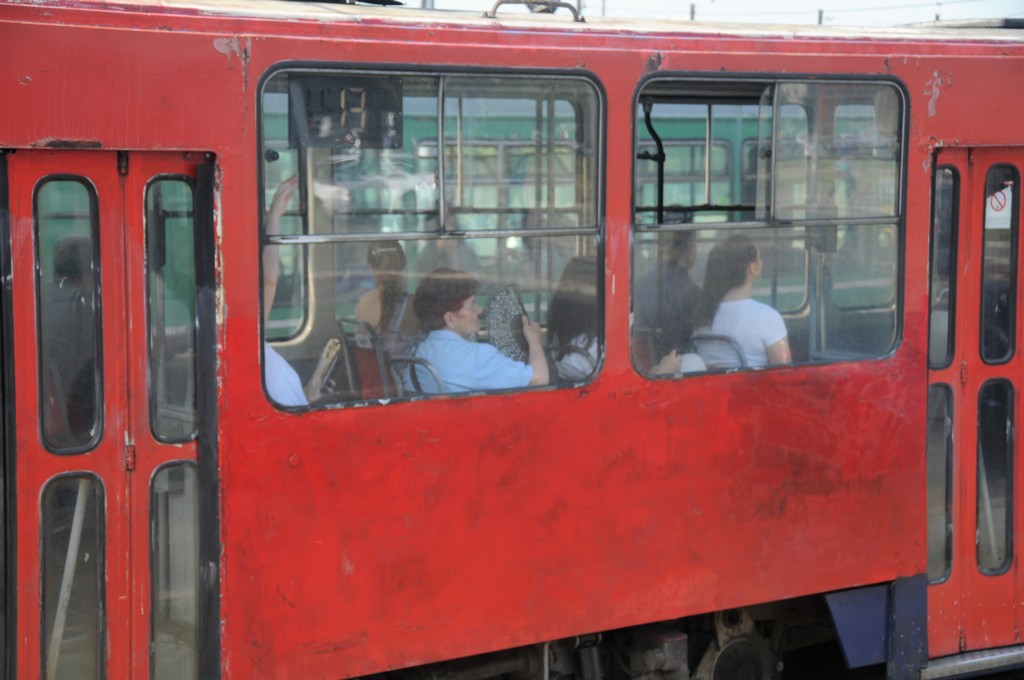
Trolley with no AC.  It was May too.
Soviet era apartment buildings everywhere. The post-war years have not been kind to Belgrade.  Although some sectors of Serbia’s economy are on the up, helped by the promise of E.U. accession, the average wage remains low and unemployment, especially among the youth, is high.
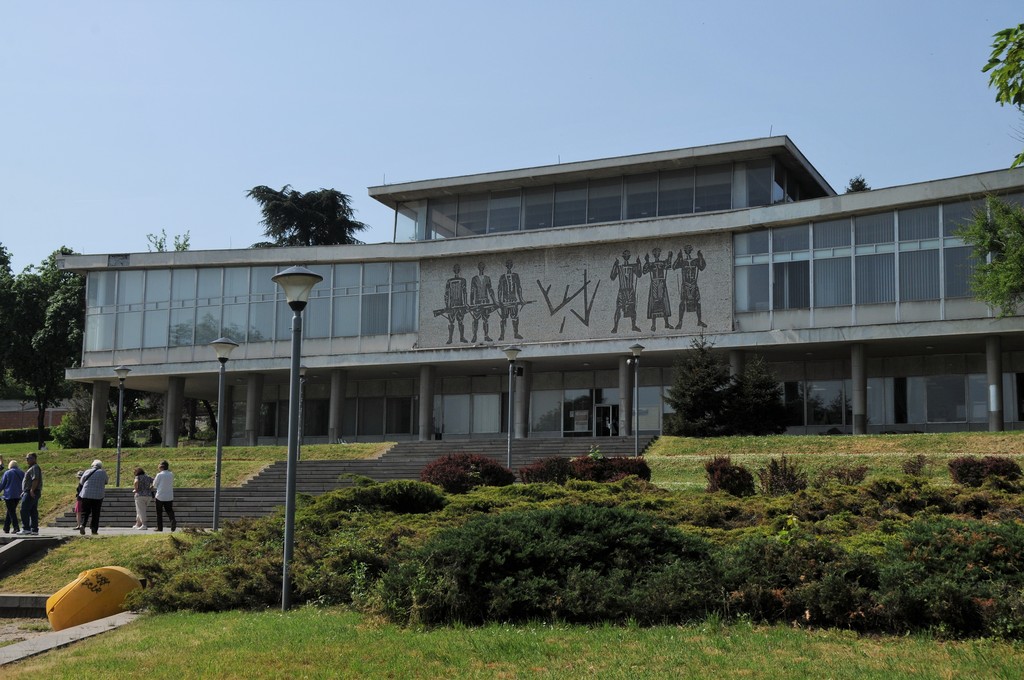
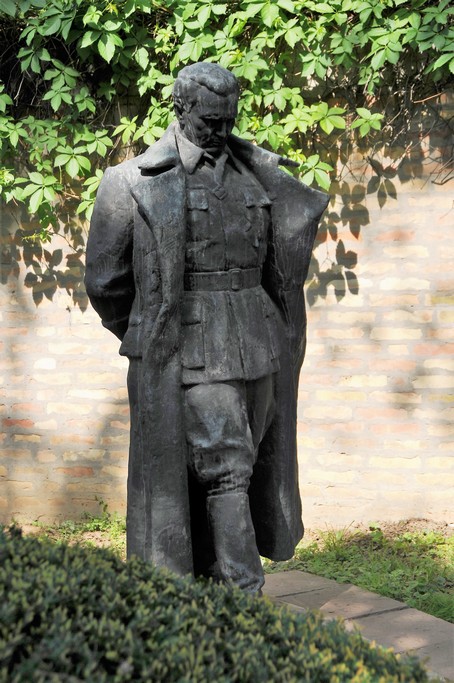
The Museum of Yugoslavia is a public history museum in Belgrade, the capital of Serbia. It chronicles the period of Socialist Yugoslavia as well as the life of Josip Broz Tito.
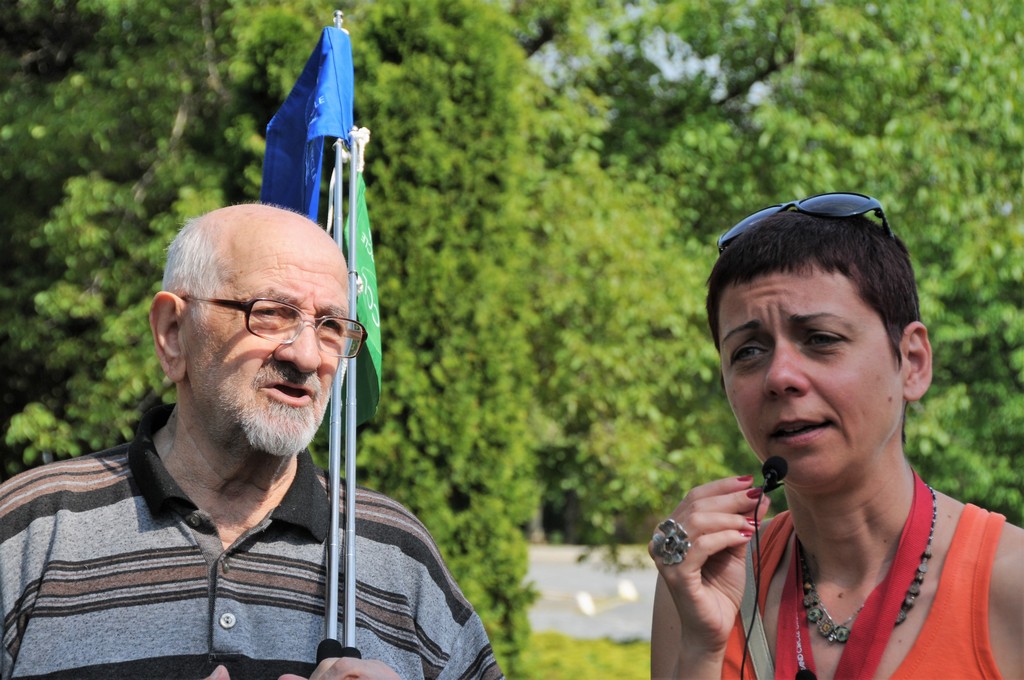
Vasilies, with  an interpreter, was kind enough to tell us what it was like living in Belgrade during the Tito  occupation and war in the late 1980's to 1990's. Don’t mention the war. Be conscious that most people you will talk to in Belgrade have lived through the trauma of the Yugoslav wars, which lasted for a decade until 2001, ending the pan-Slavic experiment. The violence perpetrated by Serbian forces led the fledgling post-socialist republic to be ostracized from the international community for several years, while internally they struggled under the corruption and repression of the Milosevic era.
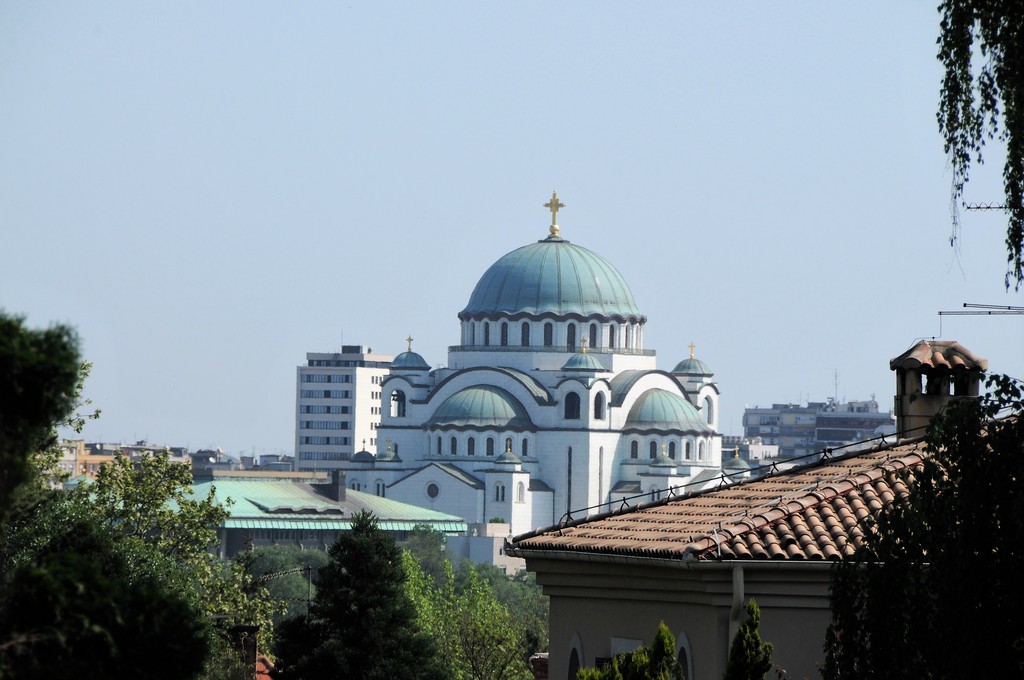
The Church of Saint Sava is a Serbian Orthodox church located in Belgrade. It is one of the largest Orthodox churches in the world and ranks among the largest church buildings in the world
Ten years after Tito's death ethnic unrest's resulted in a series of wars which led to the dissolution of Yugoslavia into six separate states: Bosnia Herzegovina, Croatia, Macedonia, Montenegro, Serbia, and Slovenia.
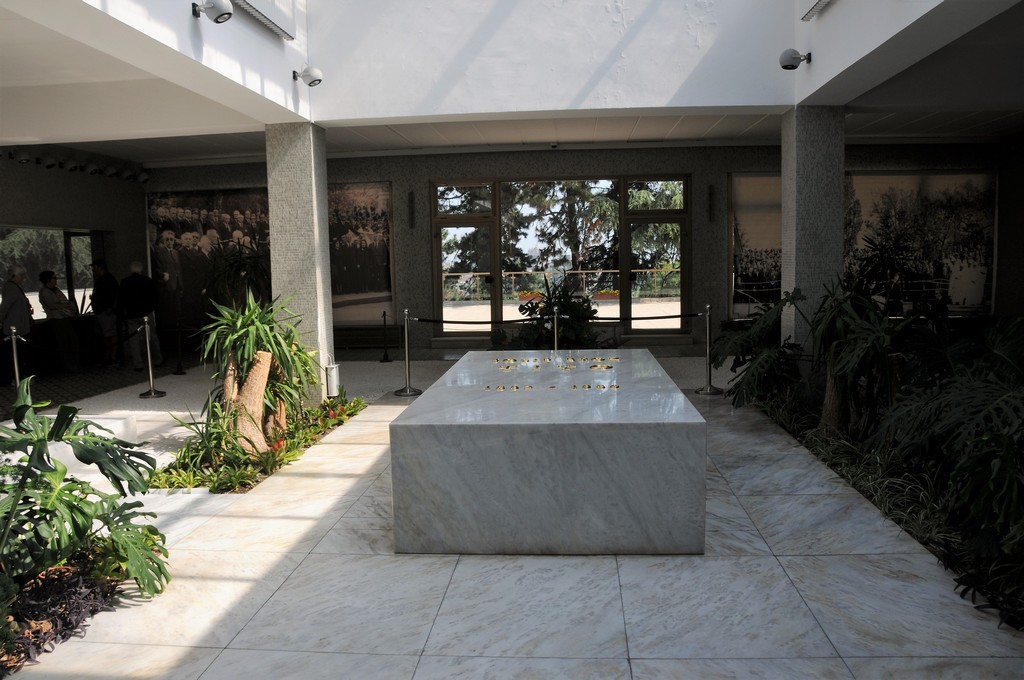
House of Flowers, the  Josip Broz Tito  Mausoleum, is the resting place of the President of the Socialist Federal Republic of Yugoslavia, and his wife Jovanka Broz. It is located on the grounds of the Museum of Yugoslav History in  Belgrade, Serbia
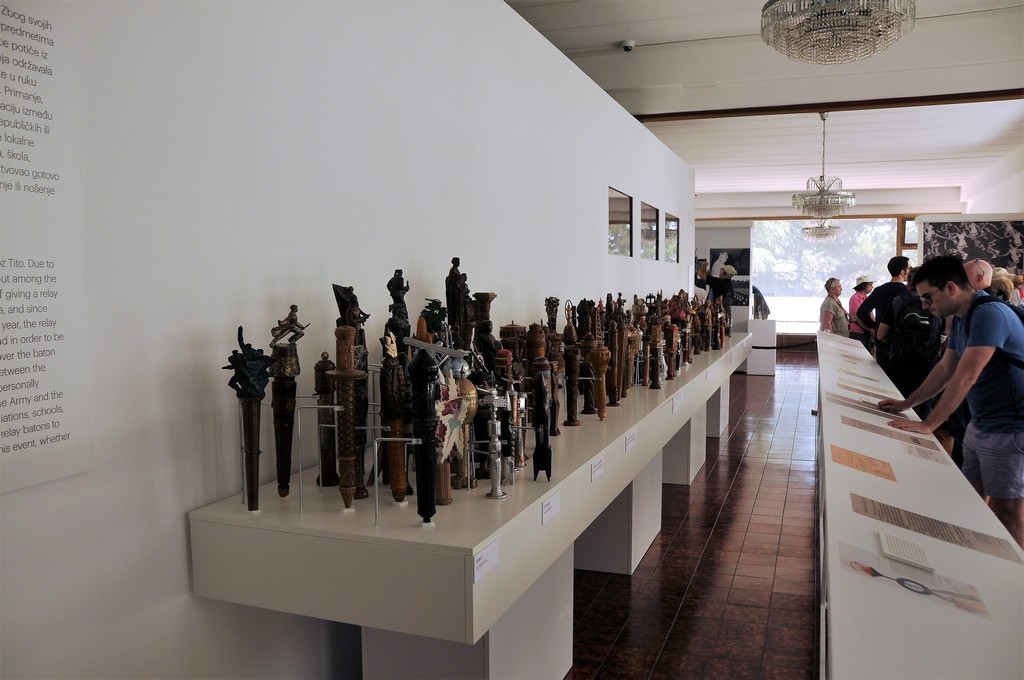
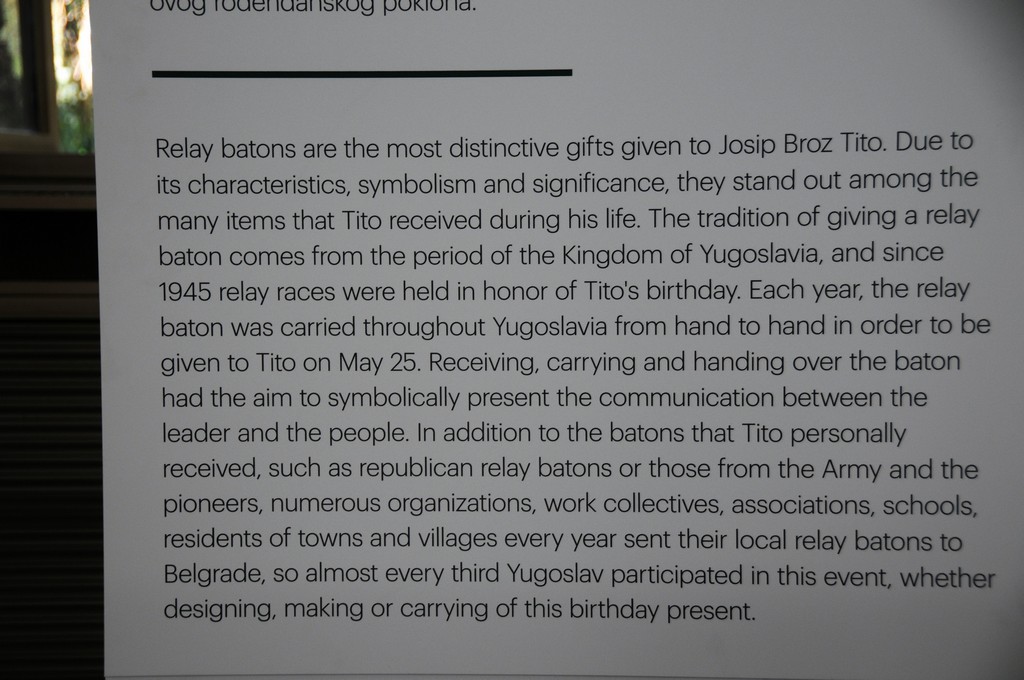
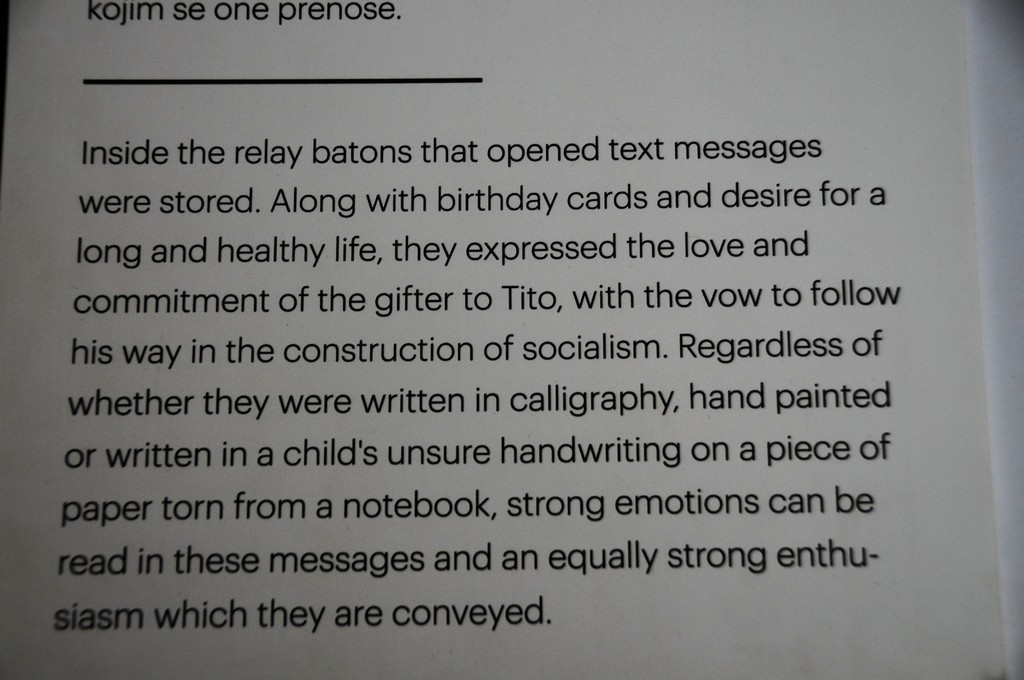
Batons on display presented to Toto. See explanation in the next photo.
DSC_0073
DSC_0074
[Show slideshow]
◄ 1 2 3 4 ... 9 ►
© 2026 Jim Schroder