Jim Schroder's Travel
  • Home
  • Trips
Select Page

Chile and Easter Island

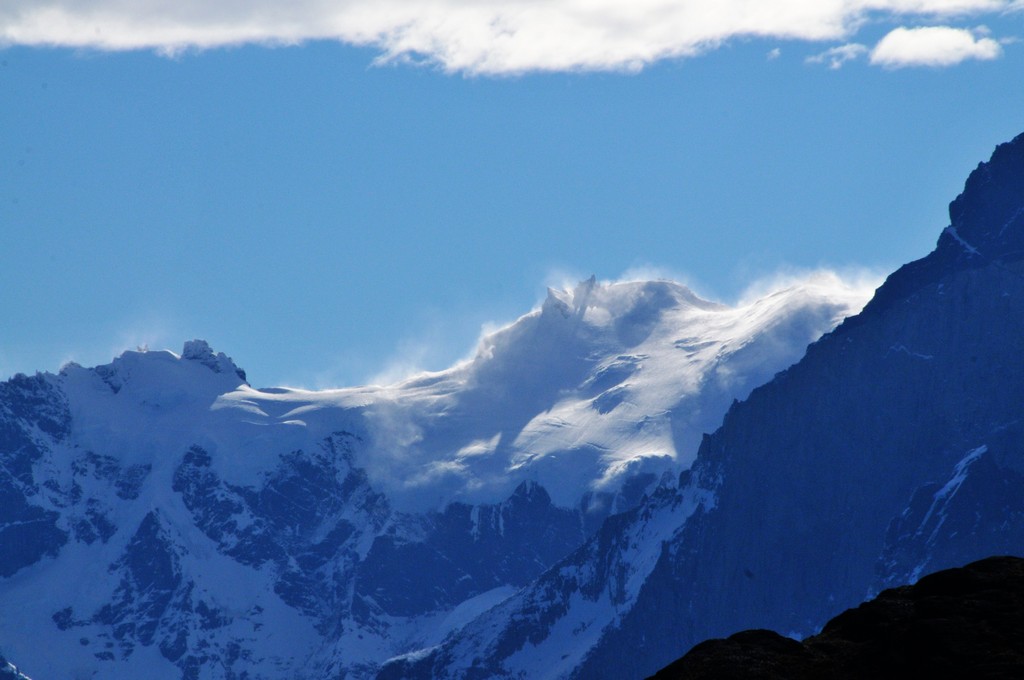
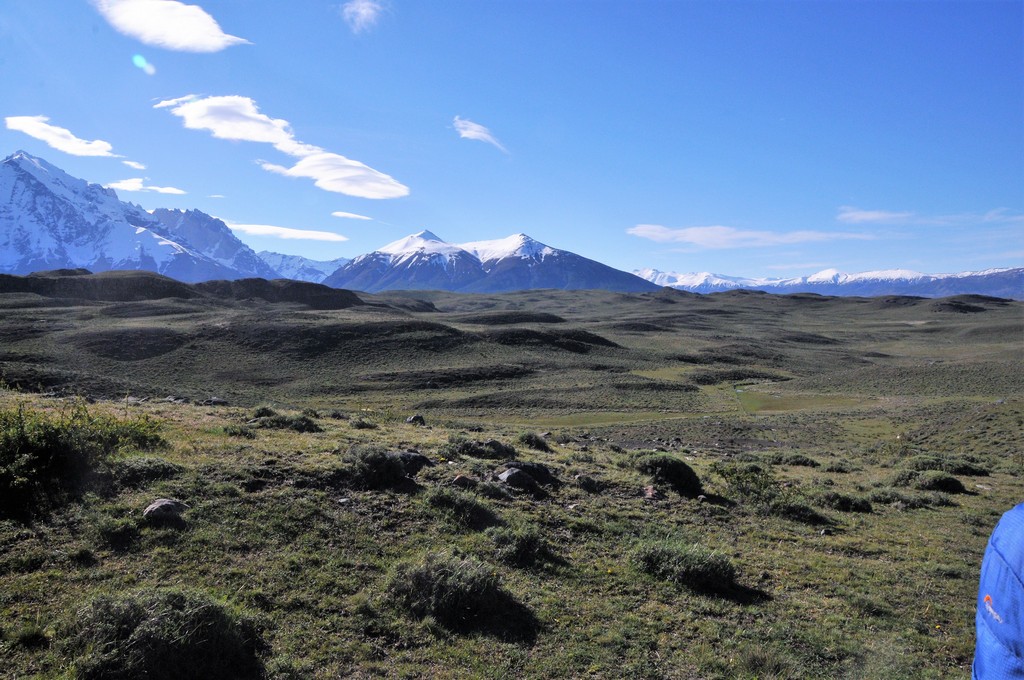
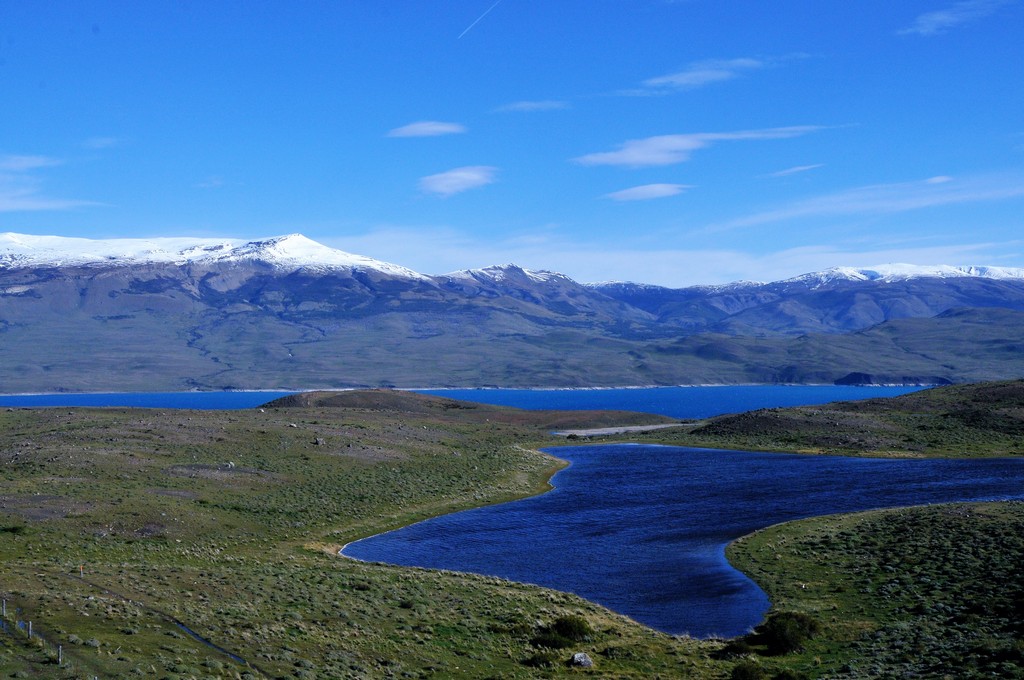
The National Park Torres del Paine is one of the most spectacular national parks in the world.
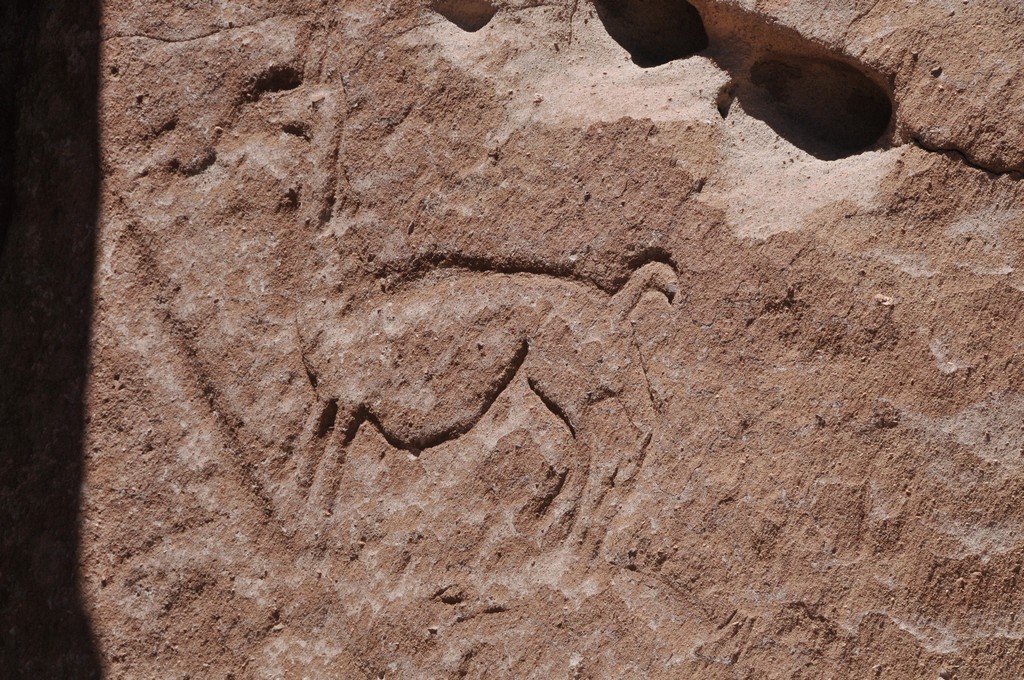
he petroglyphs served as a place for travellers to document their experiences and contribute to history and culture.
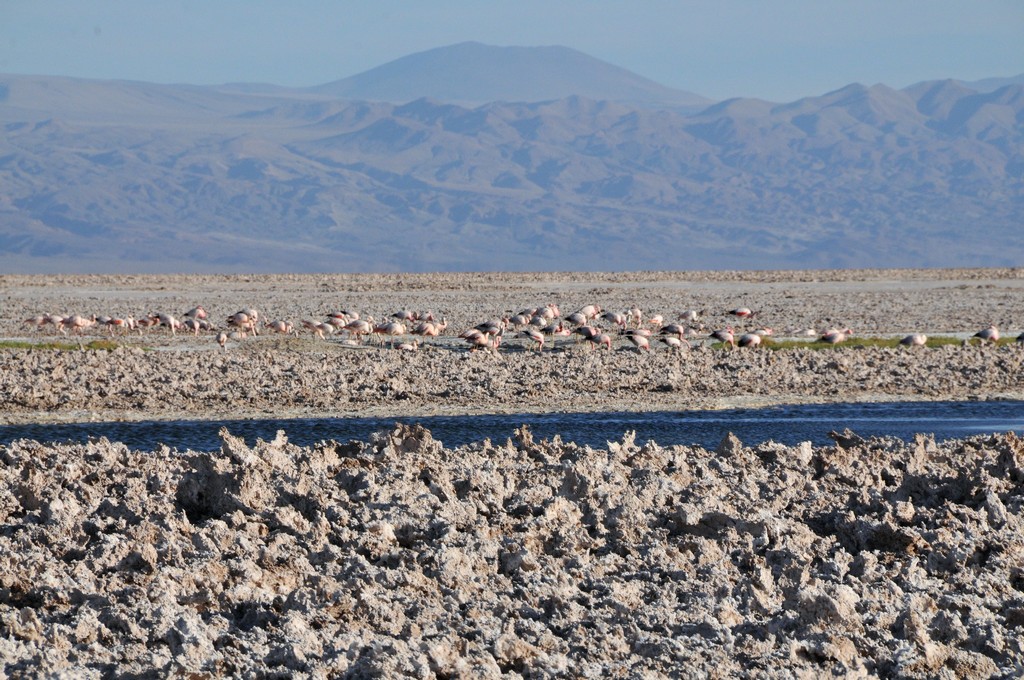
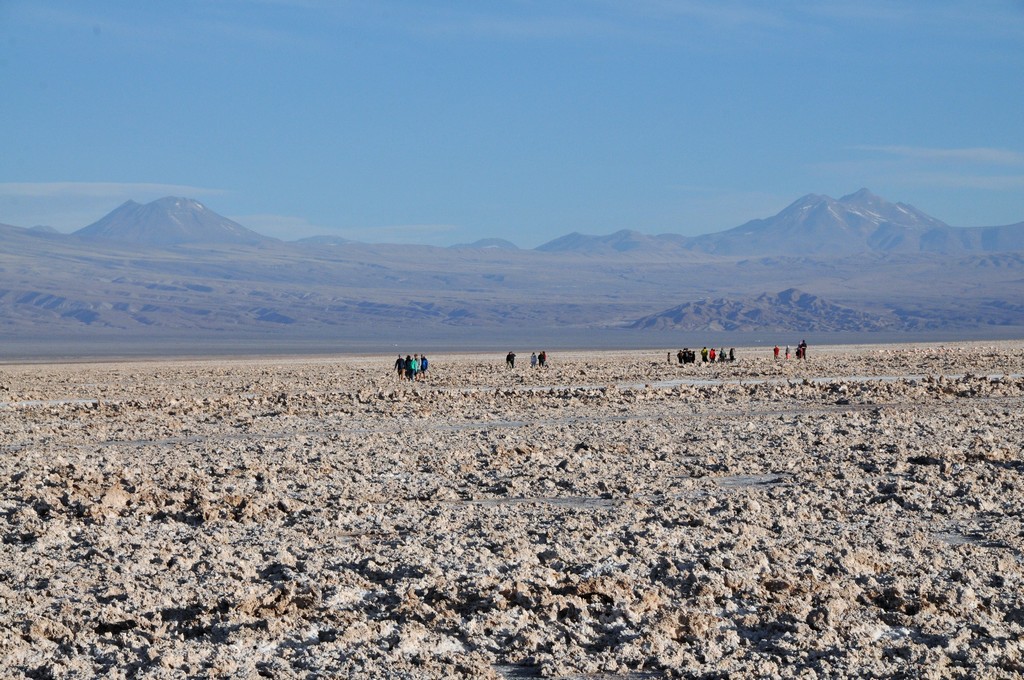
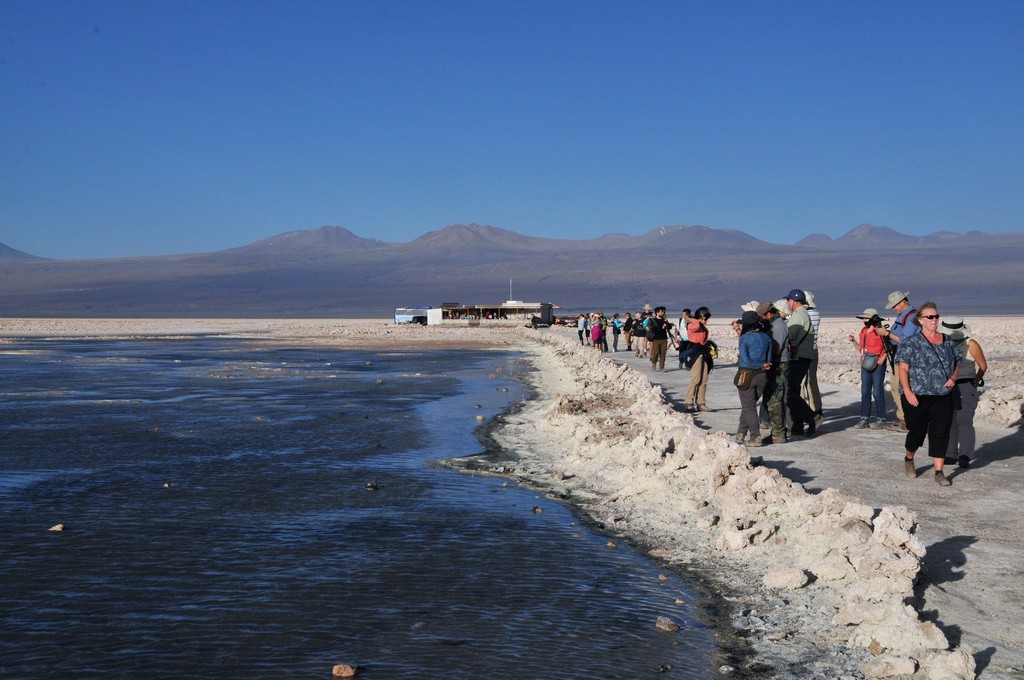
Los Flamencos National Reserve is a nature reserve located in the commune of San Pedro de Atacama, Antofagasta Region of northern Chile. The reserve covers a total area of 180,000 acres in the Central Andean dry puna eco region and consists of seven separate sections.
This reserve, created in 1990, consists of seven areas located in the town of San Pedro de Atacama. Each one of them has a different geography, flora, fauna and hydrography.
Valle de la Luna proves aptly named—very much a "Moon Valley" in its extraterrestrial appearance, all cracked earth and unfriendly terrain, pillars of salt torturing the thirsty soil. Valle de la Muerte is also appropriately christened—"Death Valley"
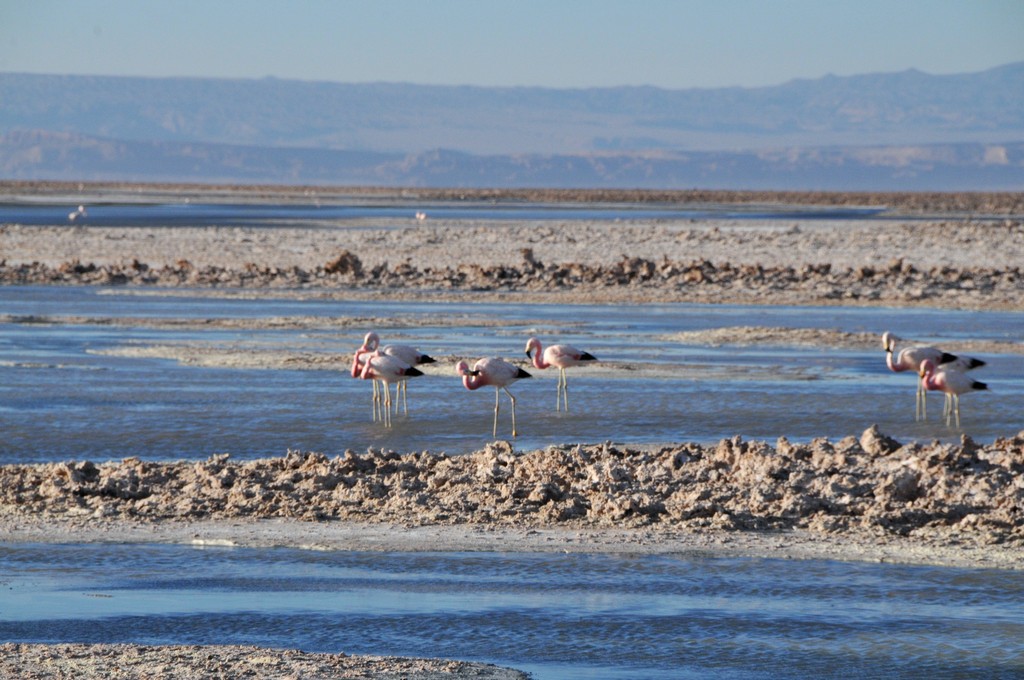
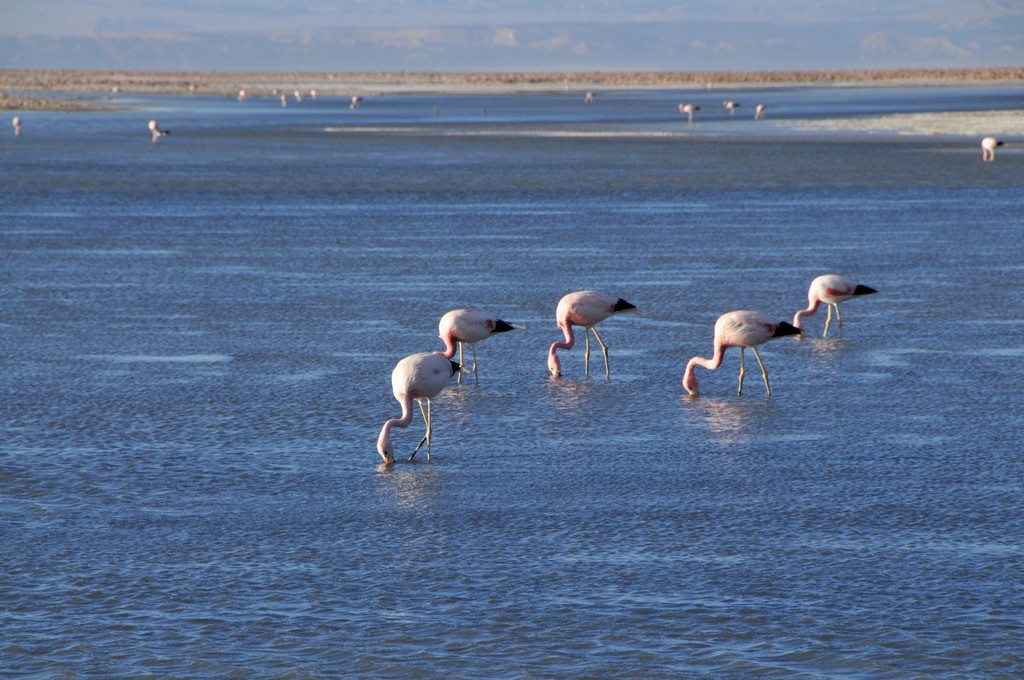
Tiny brine shrimp are super abundant in these waters! It's by eating these critters that the pink Chilean flamingos are able to maintain their definitive pink color,
DSC_8469
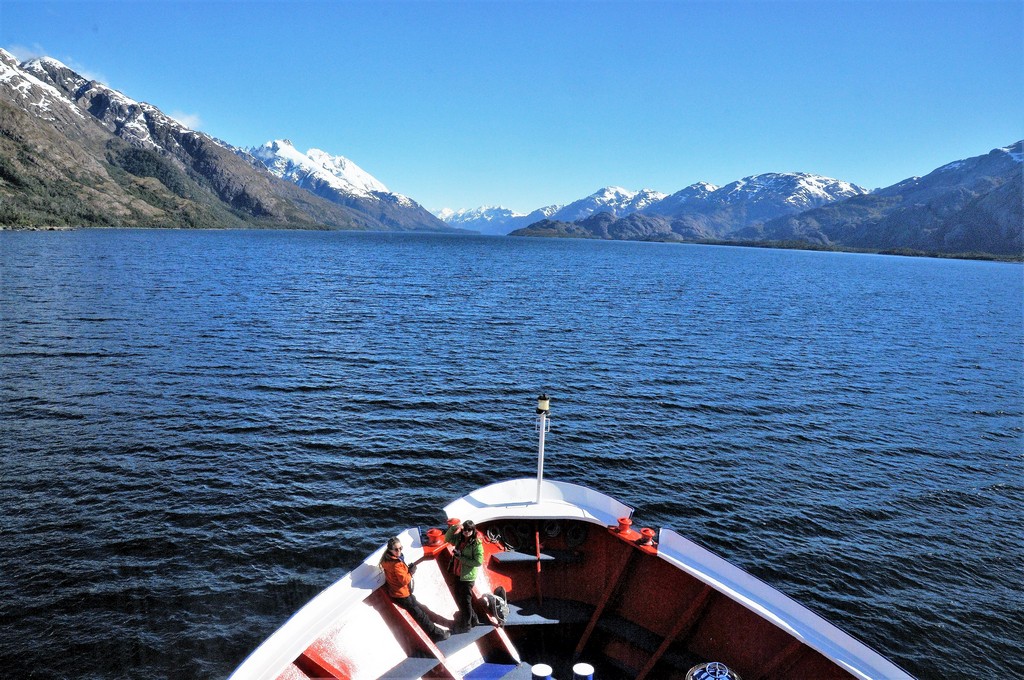
Looking out from the bridge of the ship in the fjords.
The mountains of Torres del Paine - jagged granite ridges and spires capped with shale - have long held significance for the region's native inhabitants. According to local myth, an evil serpent called Cai Cai caused a massive flood to kill the warrior tribe that lived in Torres del Paine. When the flood waters receded, Cai Cai took the bodies of the two largest warriors and turned them to stone - thereby creating the twin horns that crown the mountaintop of Cuernos del Paine.
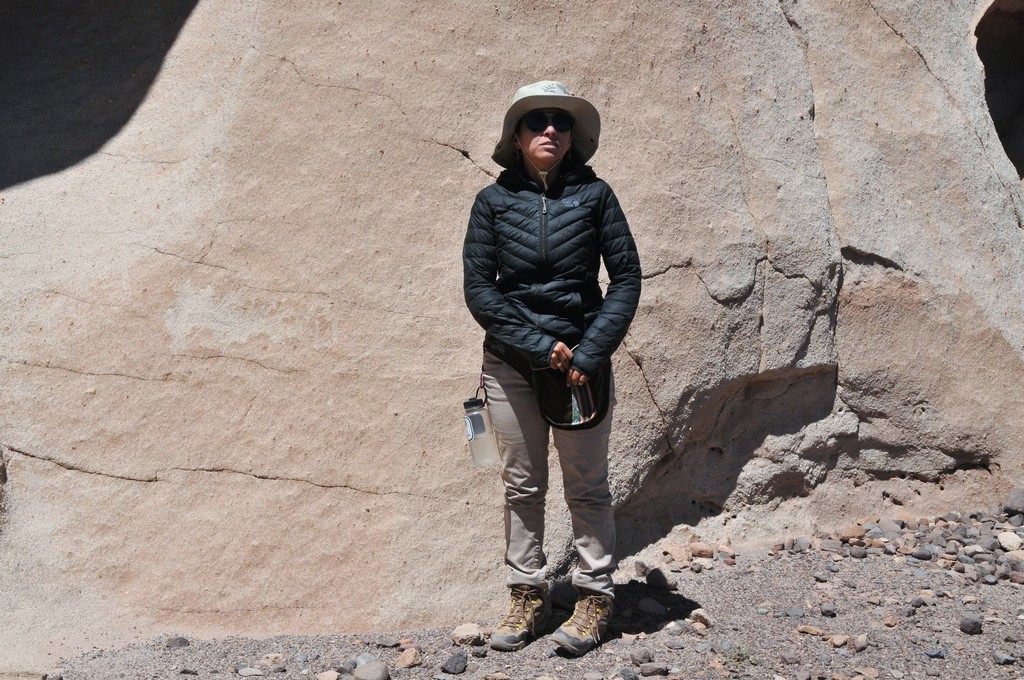
Our guide Marcela in the Atacama and the Petroglifes de Hierbas Buenas explains the location and history of this area.
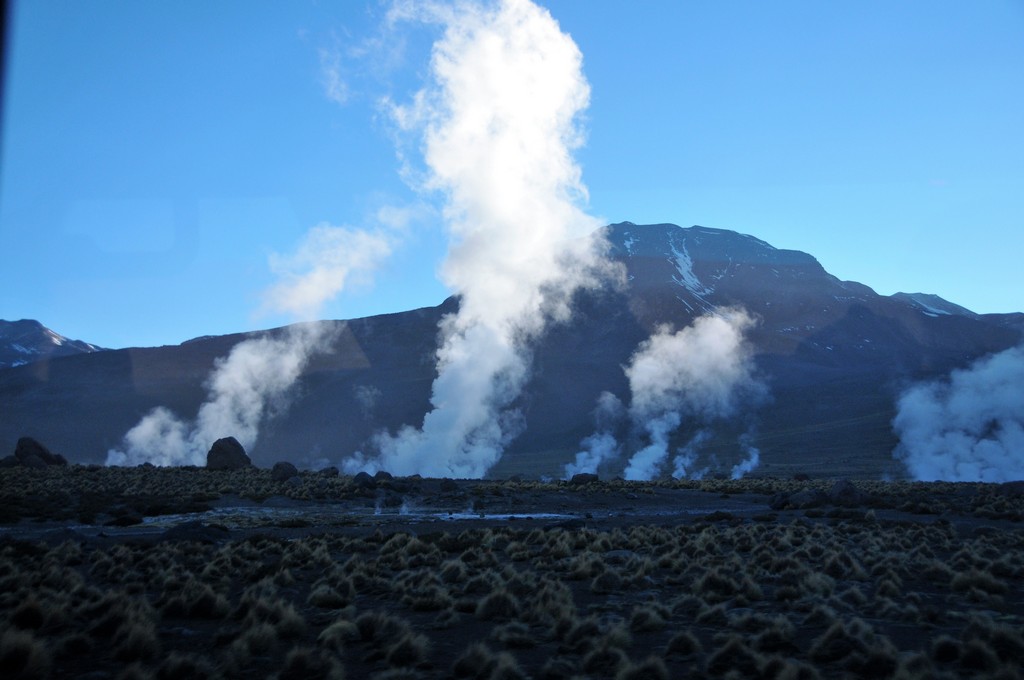
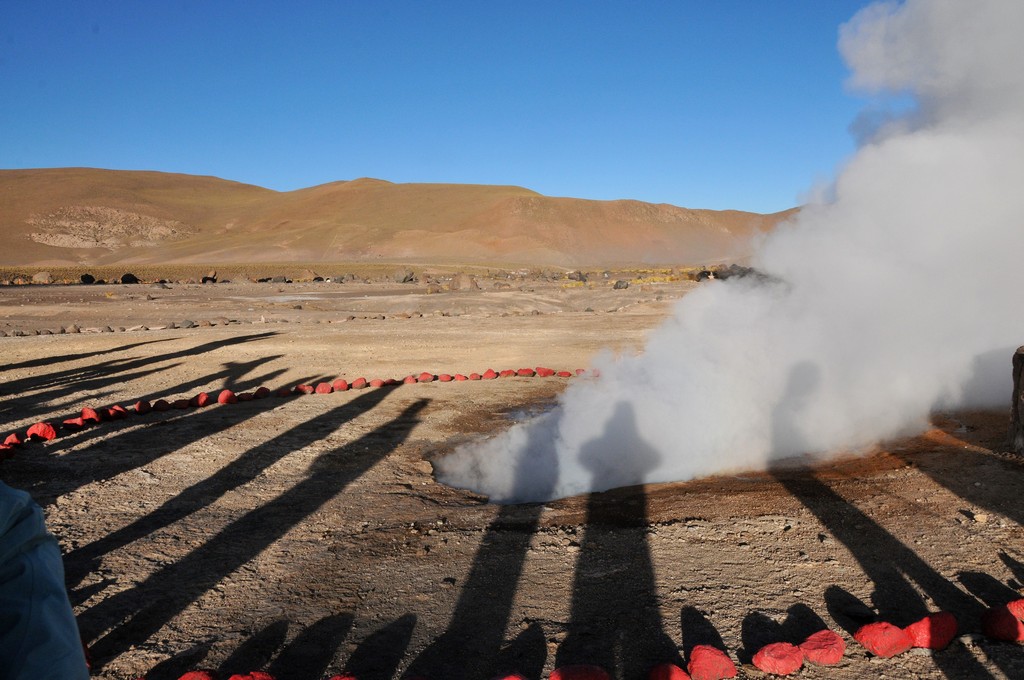
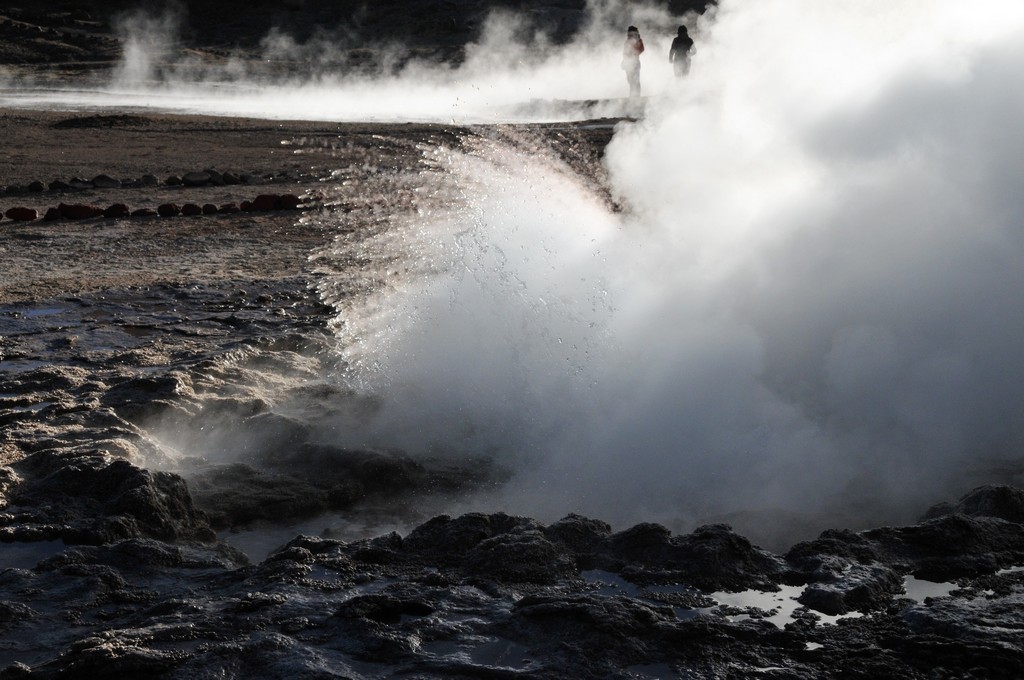
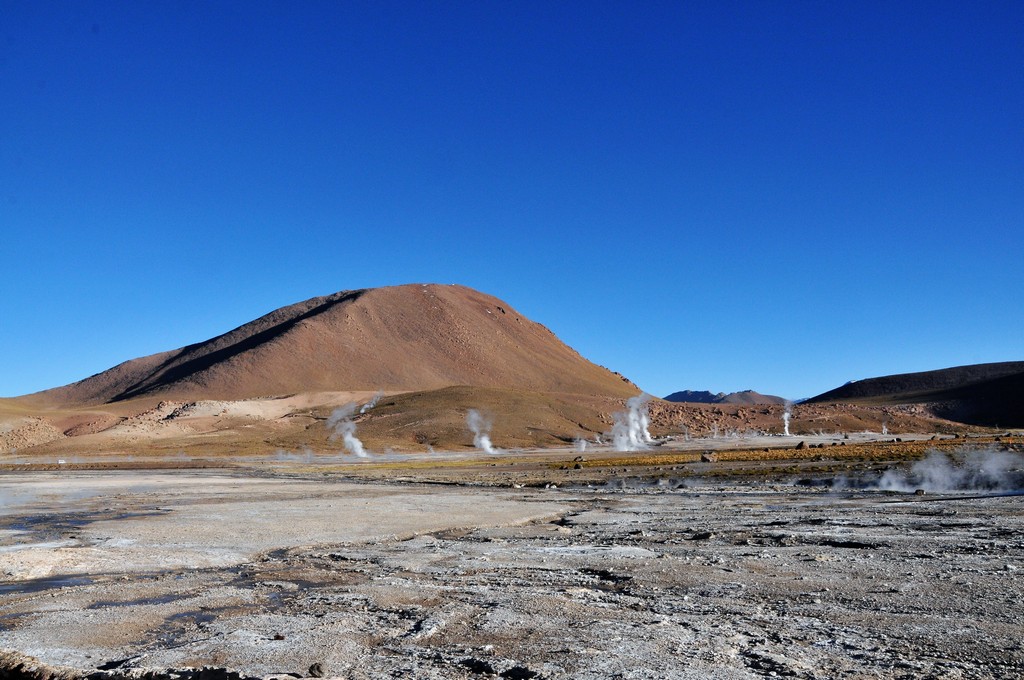
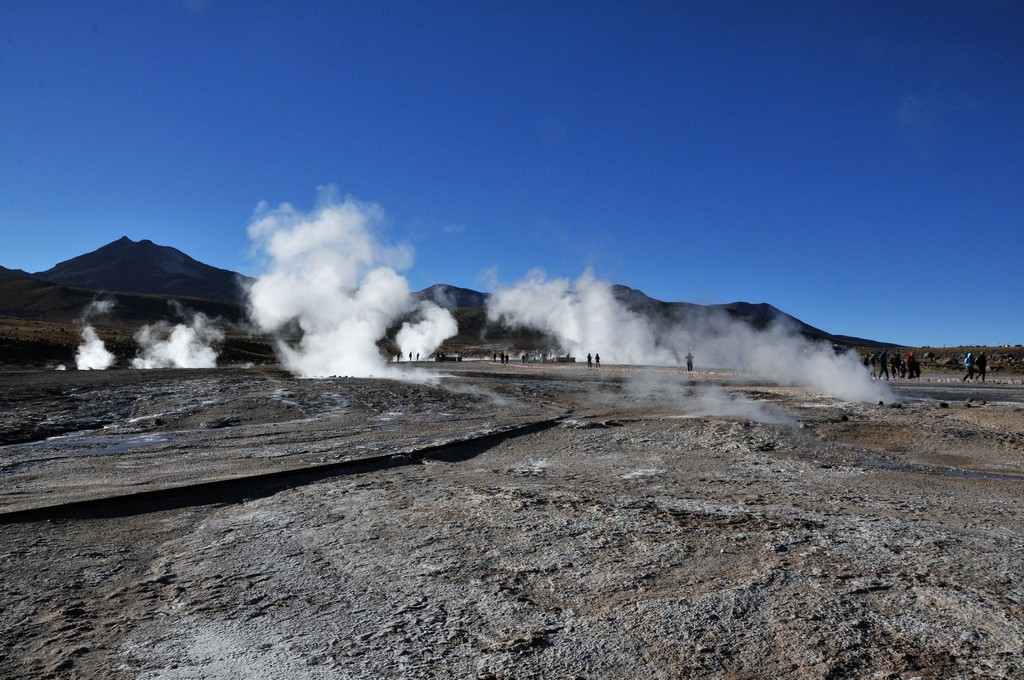
El Tatio lies at the western foot of a series of strato volcanoes which run along the border between Chile and Bolivia. This series of volcanoes is part of the Central Volcanic Zone, one of several volcanic belts in the Andes, and there are no recorded historical eruptions at the Tatio volcanoes.
El Tatio is also part of the Altiplano-Puna volcanic complex, a system of large calderas and associated ignimbrites which have been the sources of supereruptions. Some of these calderas may be the source of heat for the El Tatio geothermal system.
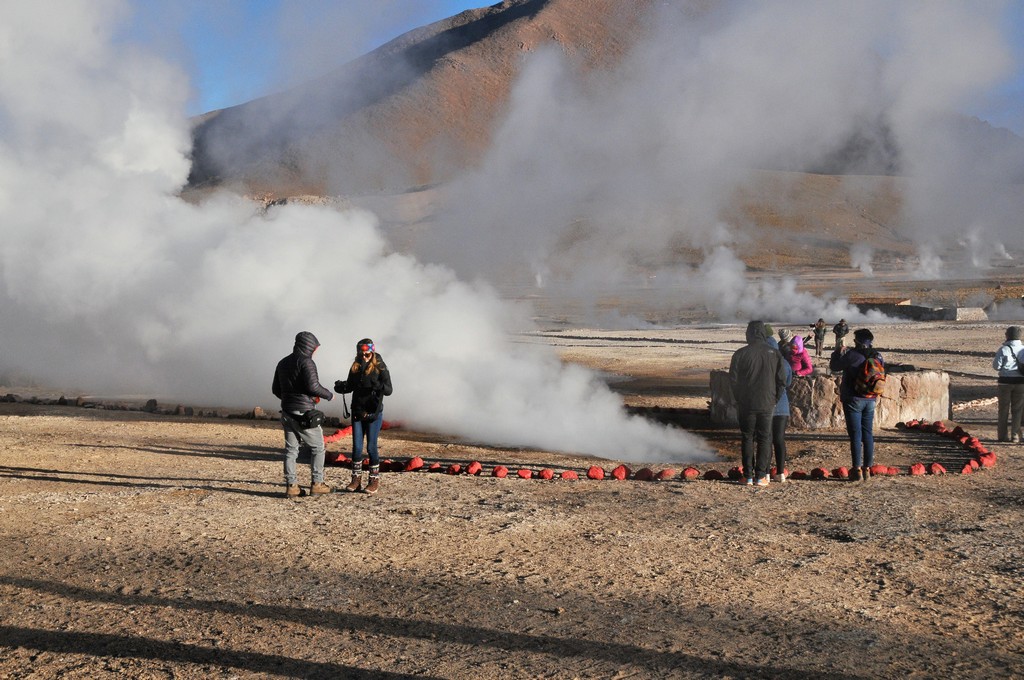
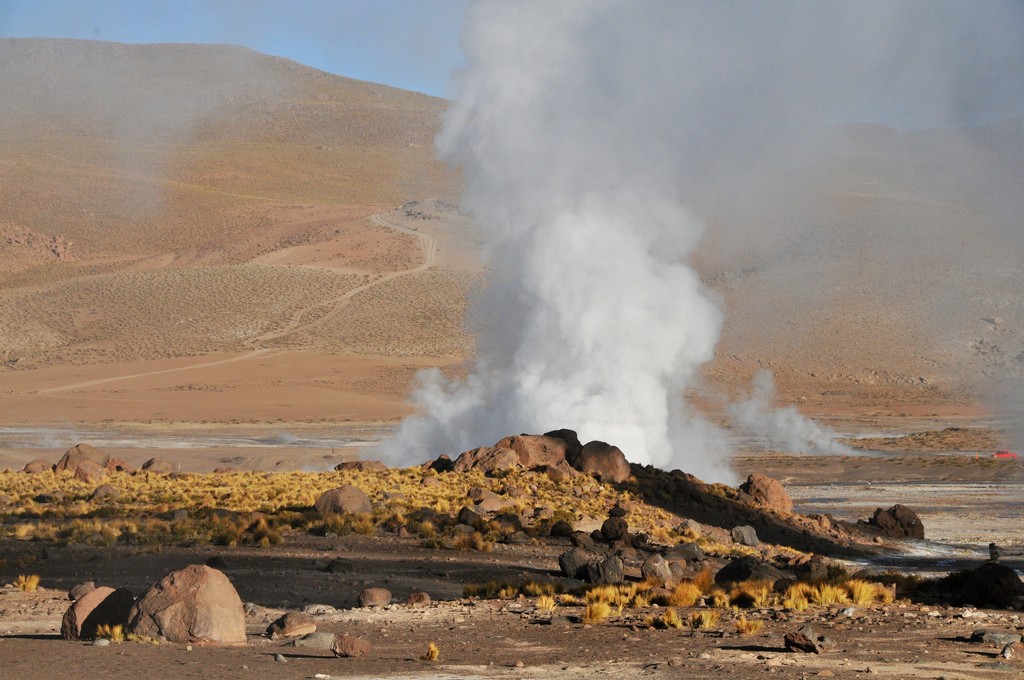
El Tatio itself is a geothermal field with many geysers, hot springs, and associated sinter deposits. These hot springs eventually form the Rio Salado, a major tributary of the Rio Loa river, and a major source of arsenic pollution in the river. The vents are sites of populations of extremophile microorganisms and have been studied as analogs for the early Earth and possible past life on Mars.
Presently, the field is a major tourism destination in northern Chile. It was prospected over the last century for the potential of geothermal power production, but such a project was discontinued after a major incident in 2009.
DSC_8479
DSC_9126
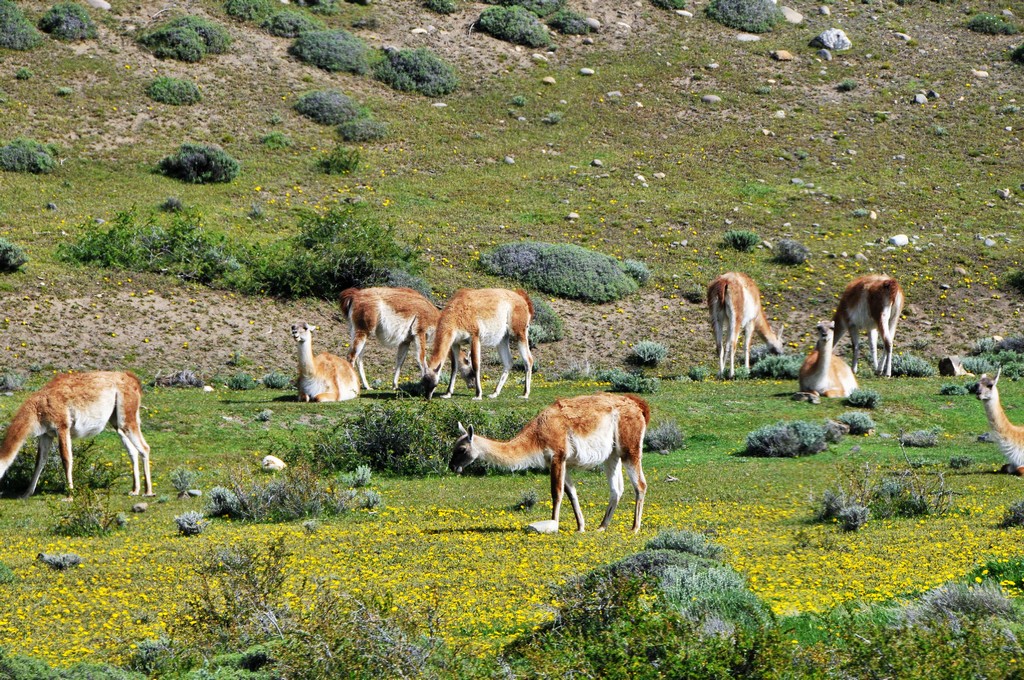
More than 40 mammals make their home in the park, including the guanaco, puma, and Patagonian gray fox. Some of the world's rarest bird species - the Andean condor, crested cara cara, and black vulture among them - are also found in Torres.
DSC_8672
DSC_8491
DSC_8492
[Show slideshow]
◄ 1 ... 15 16 17 ... 30 ►
© 2026 Jim Schroder