Jim Schroder's Travel
  • Home
  • Trips
Select Page

Chile and Easter Island

DSC_9002
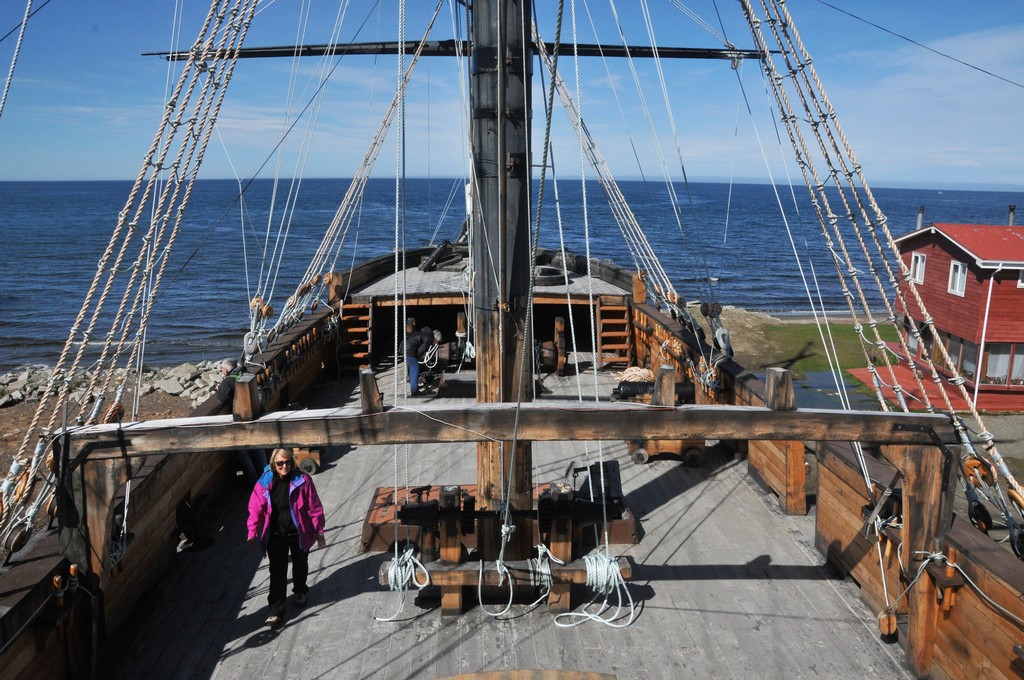
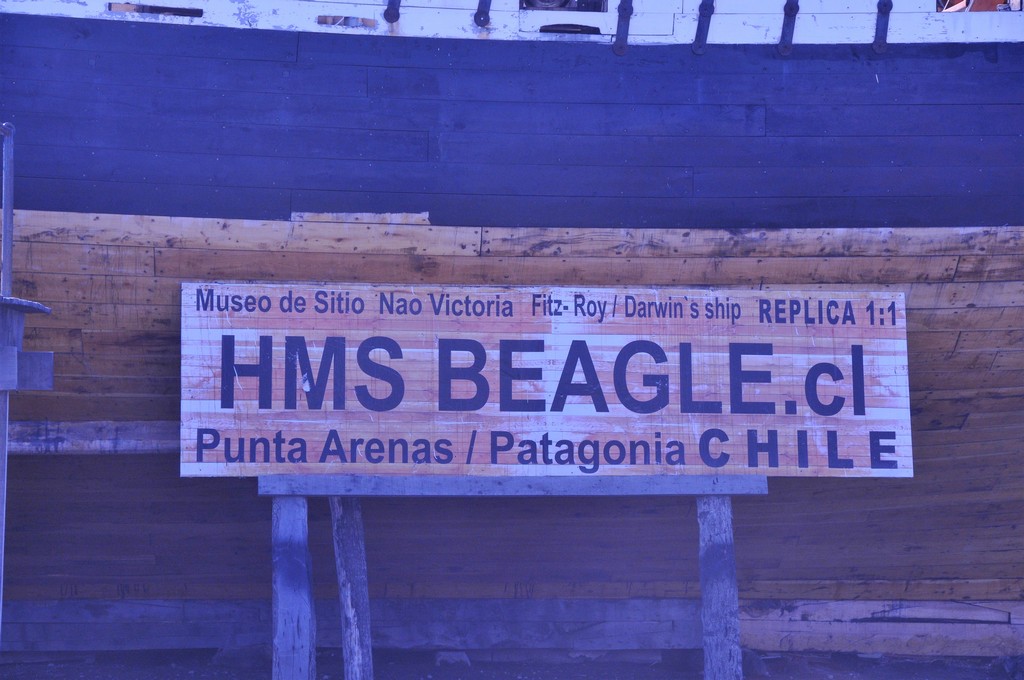
December 2011 the keel of the replica was liad and construction of the Beagle began at the museum. It was completed in February 2016.
DSC_8838
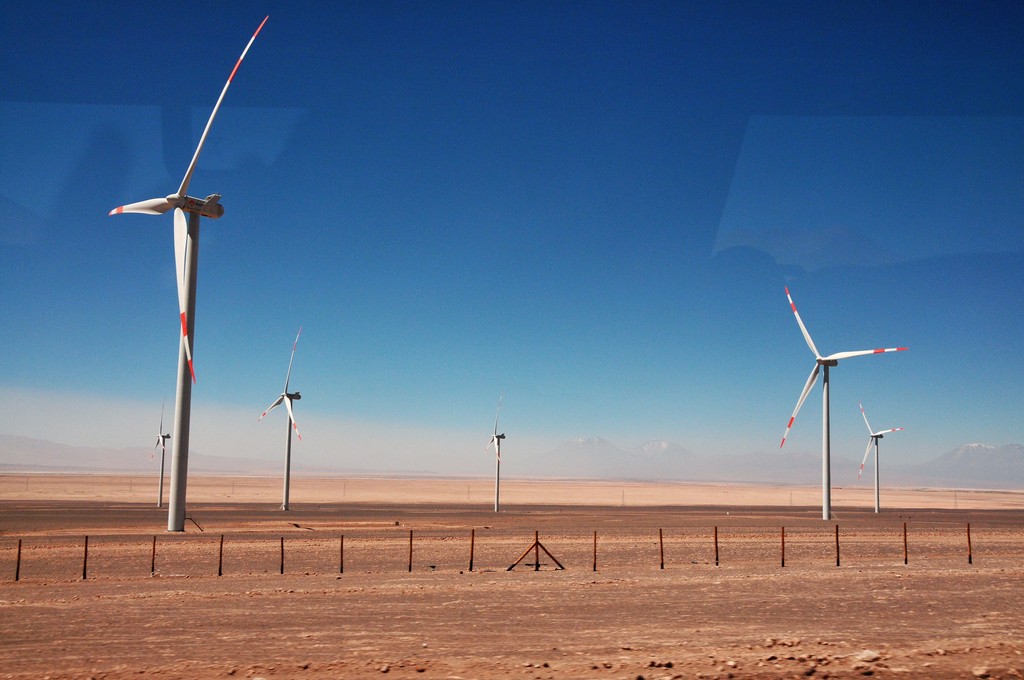
Giant molinas or wind mills on the Atacama desert floor located in Northern Chile.
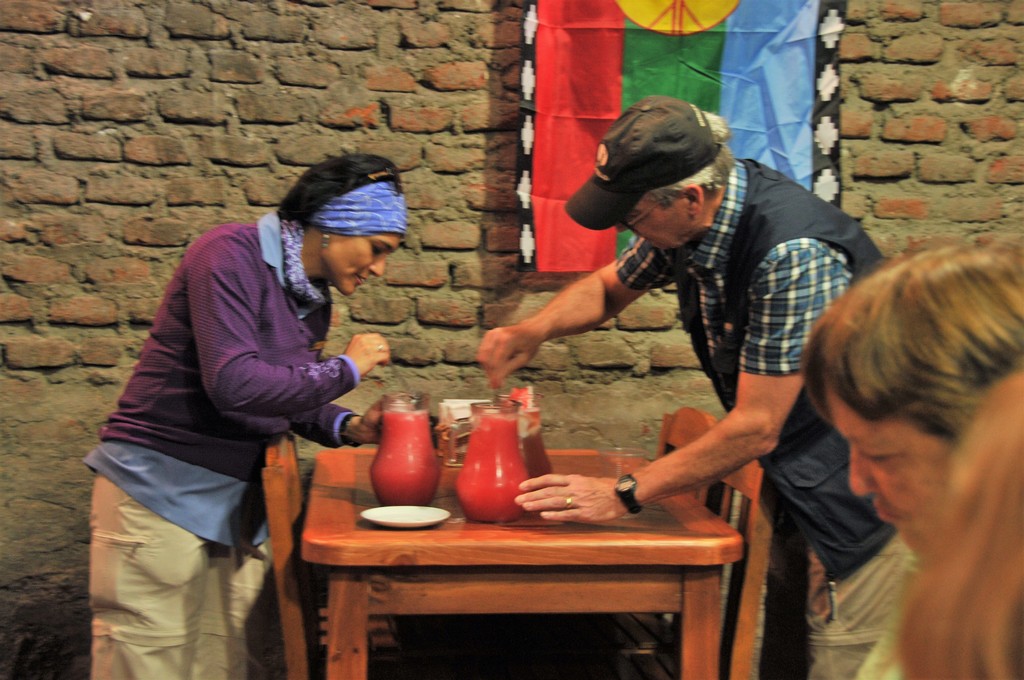
Nicole Flores,  our Chilean guide for the trip, and one of our travelers mix the famous red "pipeno" to kill your sorrows.  Quita penas, or "take away sorrow", is exactly what the patrons of this bar do - drown their sorrows with a large jug of pipeño or in one of their rich dishes. The food served here is a true example of Chilean comfort food at its finest, with bread, potatoes and meat as the base of almost all of these dishes.
We have now returned to Santiago, Chile after a great 5 days visiting Easter Island.
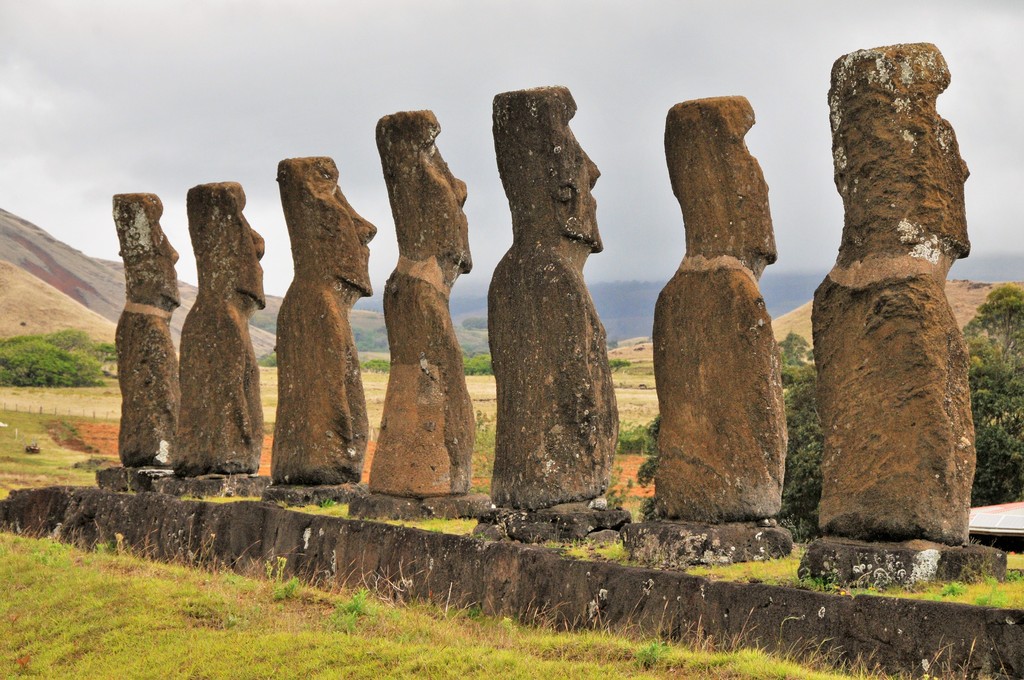
Ahu Akivi is part of the Ahu Akivi-Vai Teka complex which was built up by the Rapa Nui people in two phases. In the first phase, during the 16th century a central rectangular platform was created on a leveled surface. It had wings projecting to the north and the south directions. An approach ramp was also part of this platform which led to the ceremonial plaza stretching 25 metres (82 ft) towards the west of the central platform. A cremation ground existed behind the central platform. The second phase of construction was elaborately planned and implemented in the early years of the 17th century when the platform was modified, a ramp was created, seven statues of equal size were erected. Another crematorium was also built. A cave in which people used to reside was also used as tomb during historic times.
DSC_8198
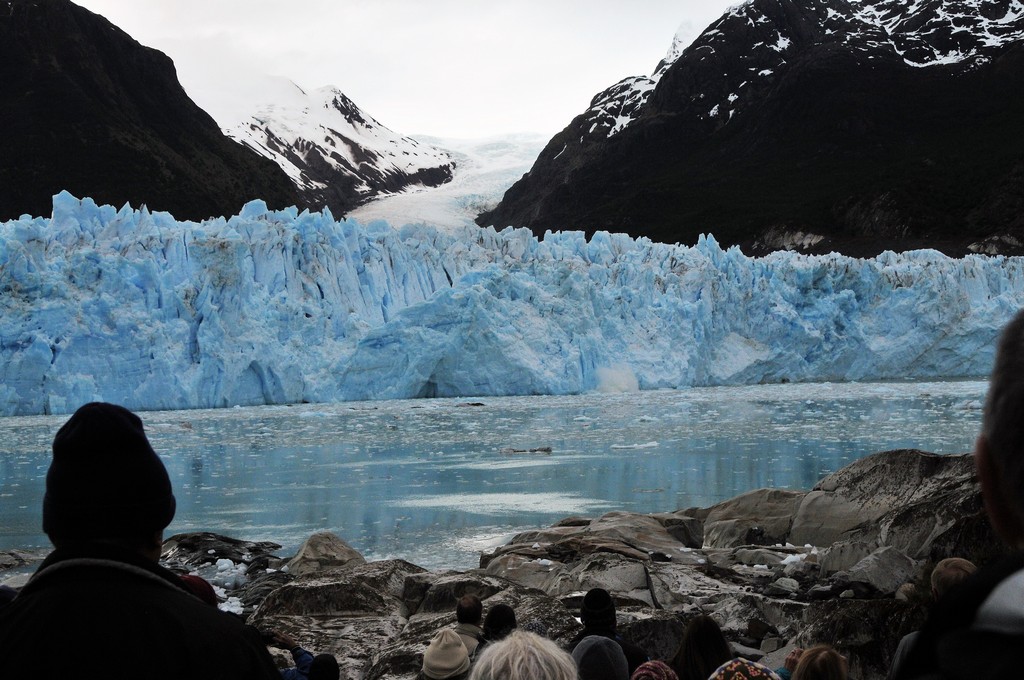
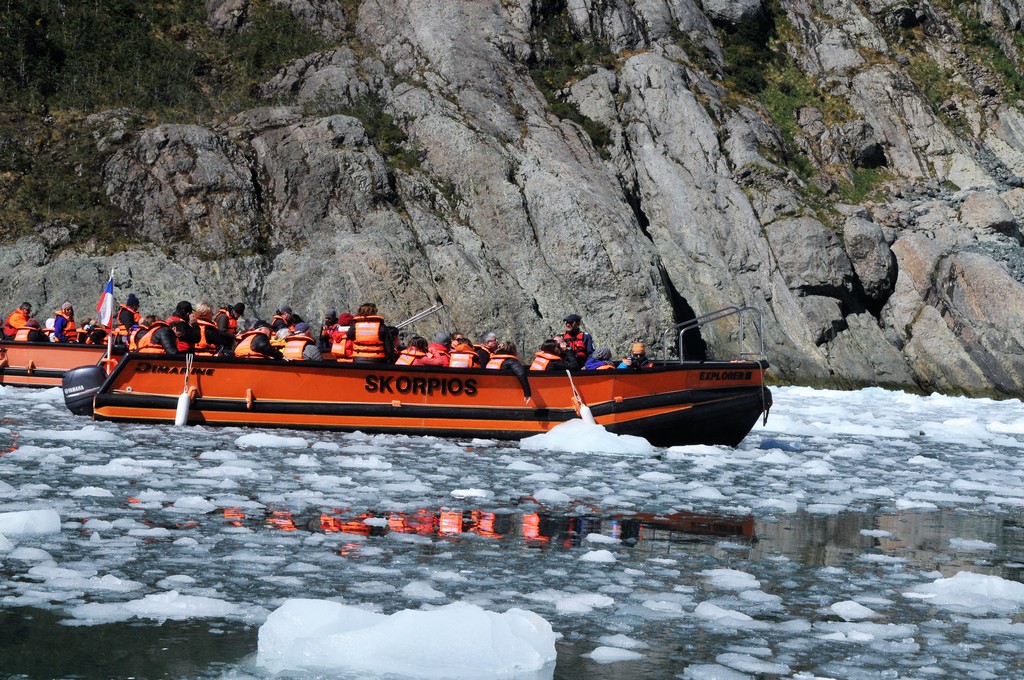
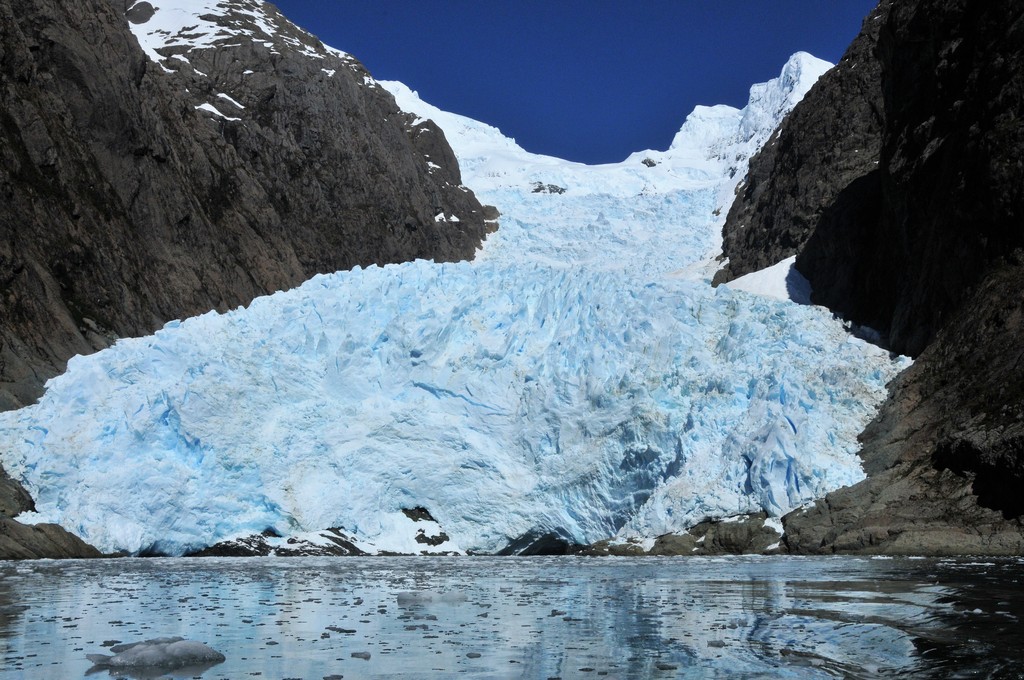
Cruising by smaller craft through the bay of Alsina Glacier.
DSC_8600
Valle de la Luna proves aptly named—very much a "Moon Valley" in its extraterrestrial appearance, all cracked earth and unfriendly terrain, pillars of salt torturing the thirsty soil. Valle de la Muerte is also appropriately christened—"Death Valley"
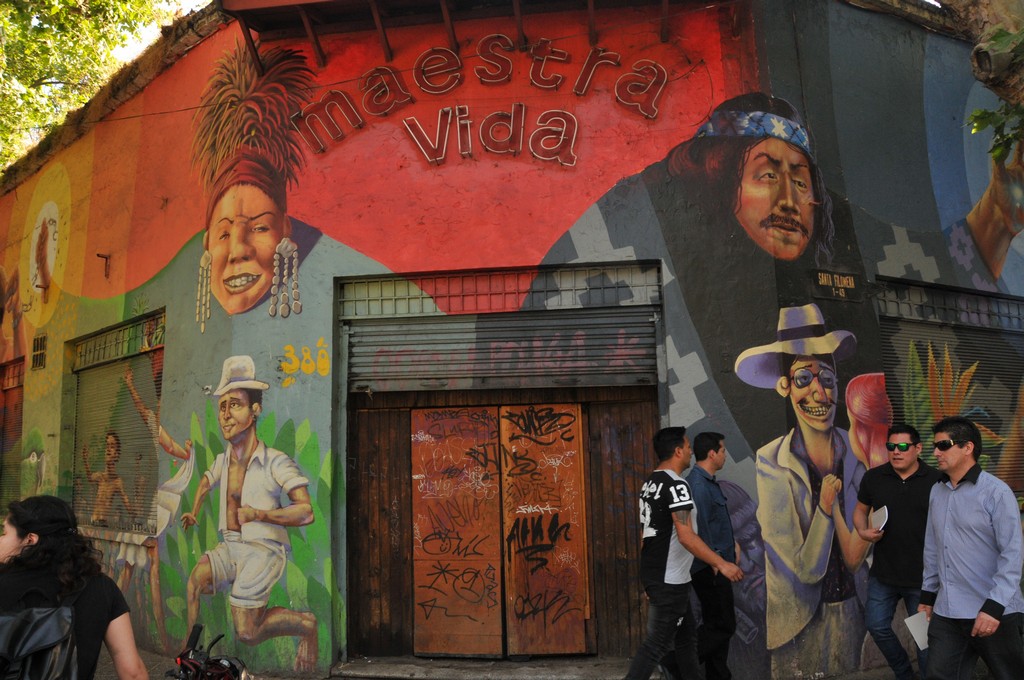
Murals on the face of a restaurant
DSC_8352
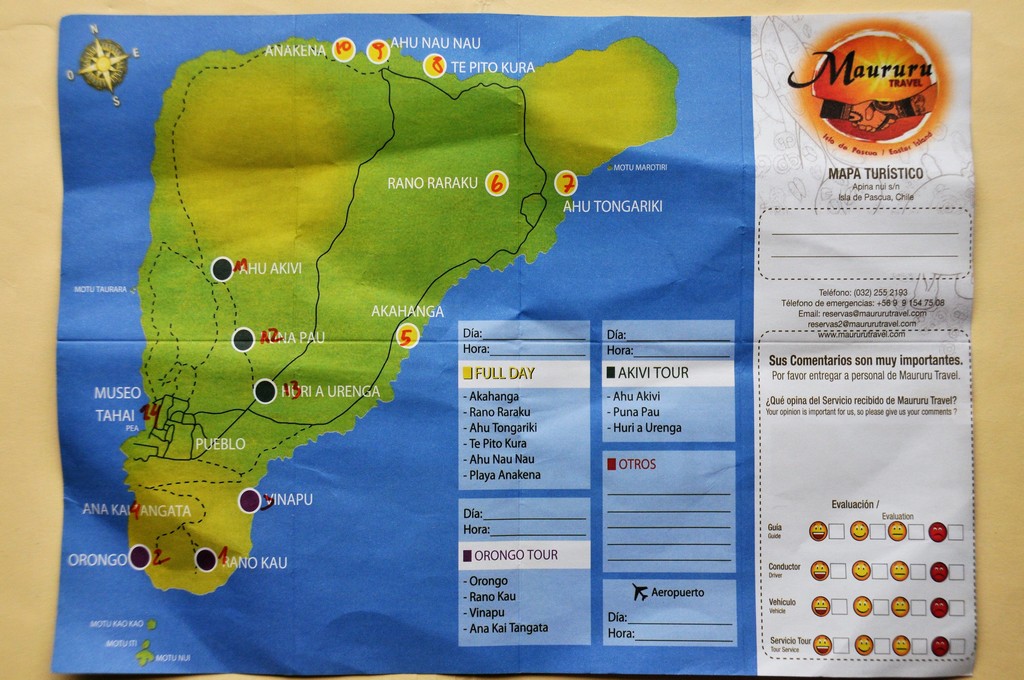
This is a map of Easter Island.  The numbers in red are all the places that we visited while on the island.
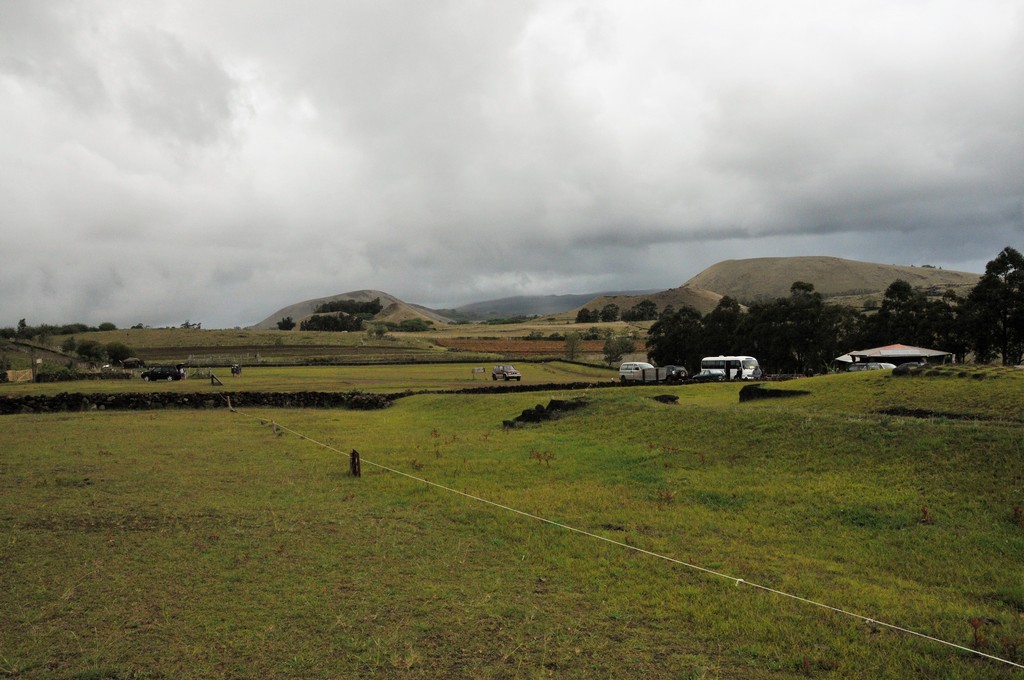
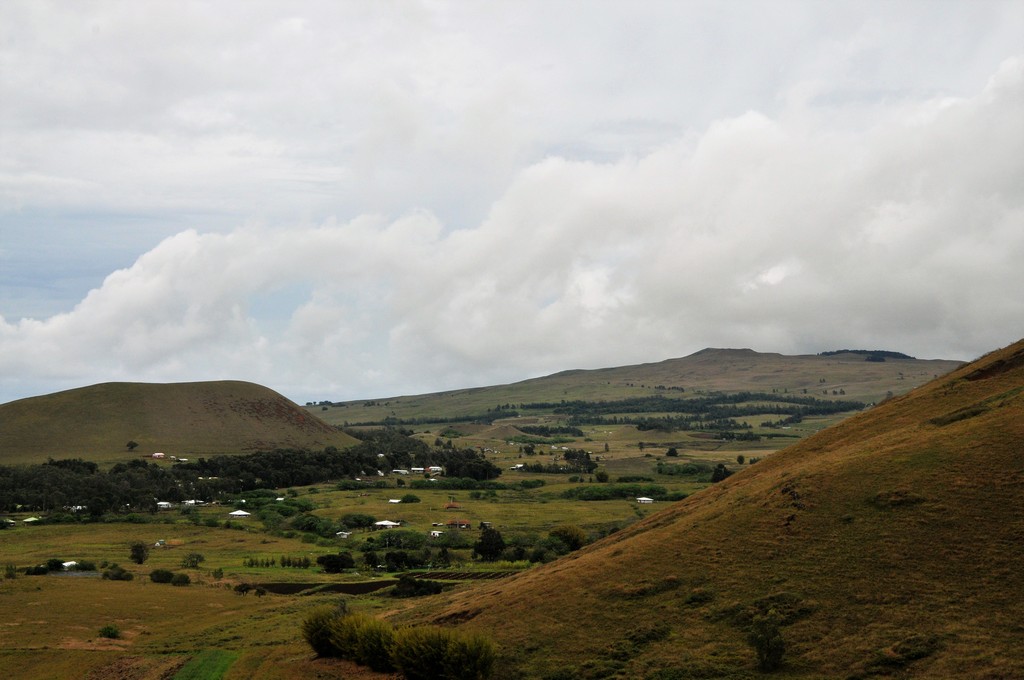
The country side inland from the ocean. Very rural.
Though the consensus is that Easter Island did indeed suffer an ecological catastrophe, no doubt helped along by human folly, one theory argues that it was rats – yes, rats – that were key culprits in the demise. Archaeologists have found that nuts retrieved from the extinct Easter Island palm show evidence of nibbling by Polynesian rats. By eating the nuts, the sizeable rat population could have prevented reseeding of the bountiful but slow-growing palms across the island, causing them to die out.  But the most likely cause of the downfall of Rapanui society is disease brought about by slavery. According to Easter Island: The Truth Revealed, approximately 1,500 to 2,000 people – half the population – were taken in 1862 in a raid by slave traders from Peru to work there, predominately in agriculture.
DSC_8985
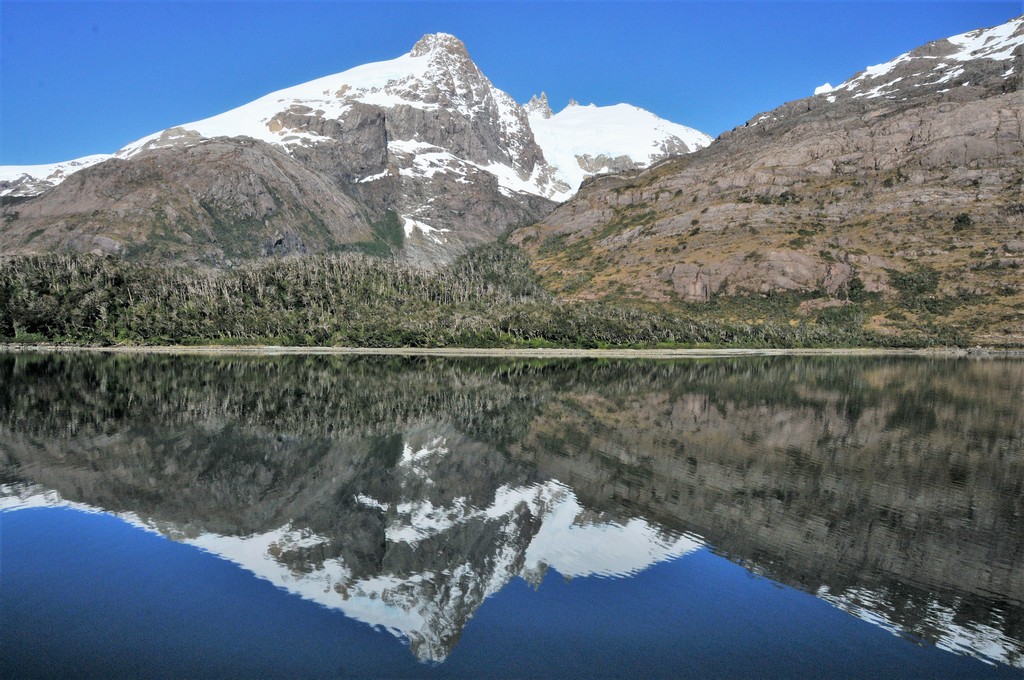
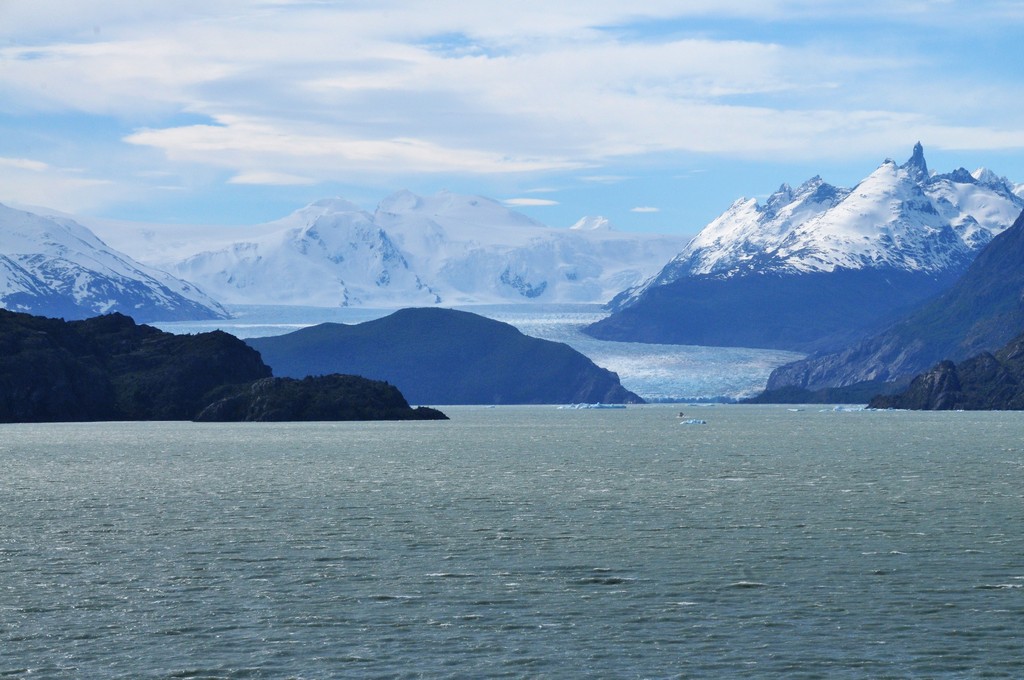
Magnificent Dickson Glacier in the background feeding into Grey Lake.
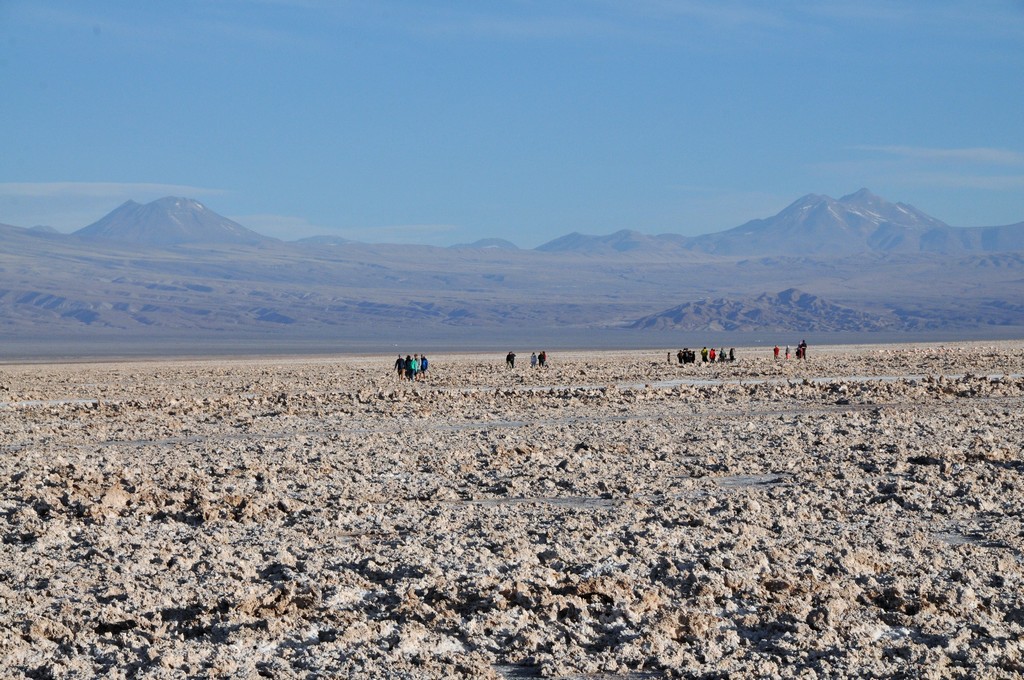
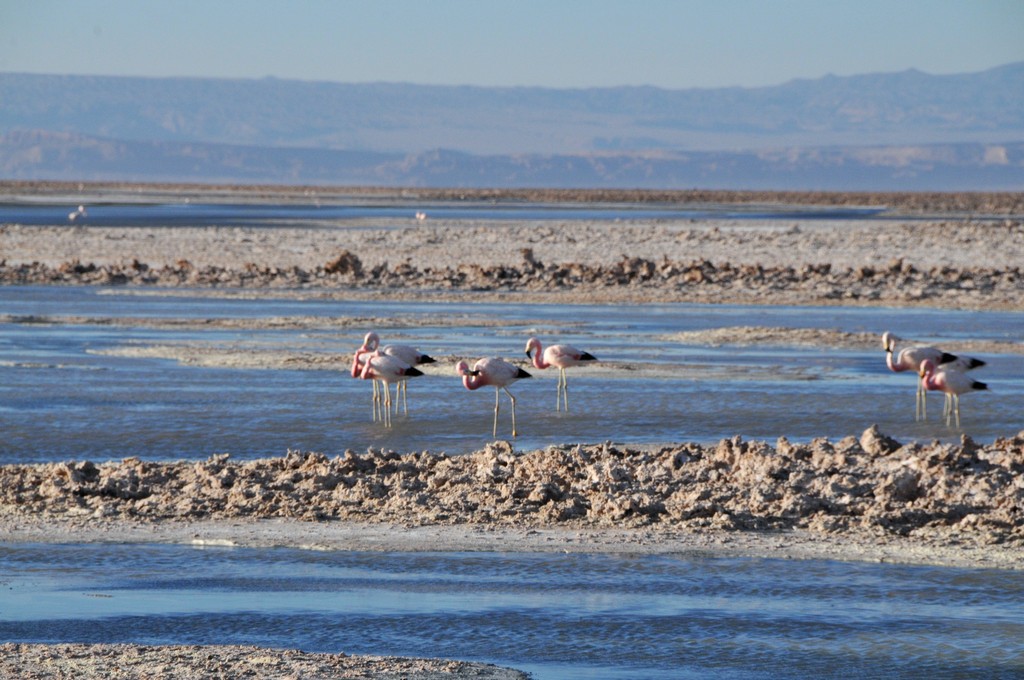
This reserve, created in 1990, consists of seven areas located in the town of San Pedro de Atacama. Each one of them has a different geography, flora, fauna and hydrography.
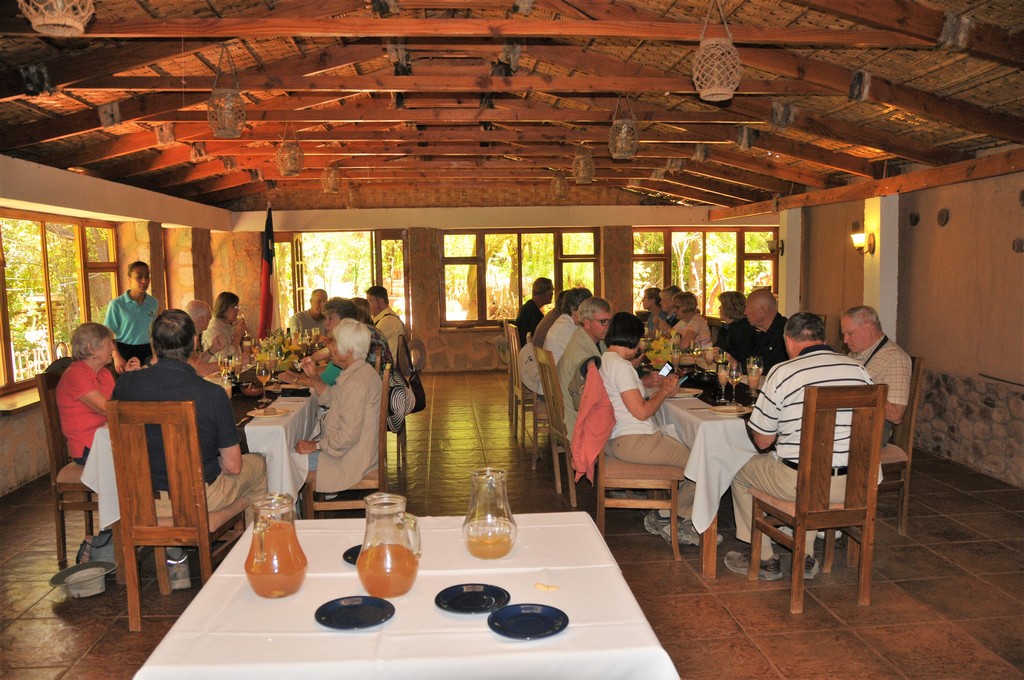
Dining room at Restaurant Tematico.  The restaurant has been open for 9 years now. They began by hosting  small groups into their family home and quickly grew into a larger operation.  The small ranch is an agro-ecological farm with animals, trees, flowers,  and nature and culture. It is located in Senderos de Coyo 8 miles from San Pedro de Atacama.
[Show slideshow]
◄ 1 ... 8 9 10 ... 30 ►
© 2026 Jim Schroder