Jim Schroder's Travel
  • Home
  • Trips
Select Page

Chile and Easter Island

The manager of the large estancia and myself. He prepared the Patagonian Lamb for us.
Puerto Natales in the distance
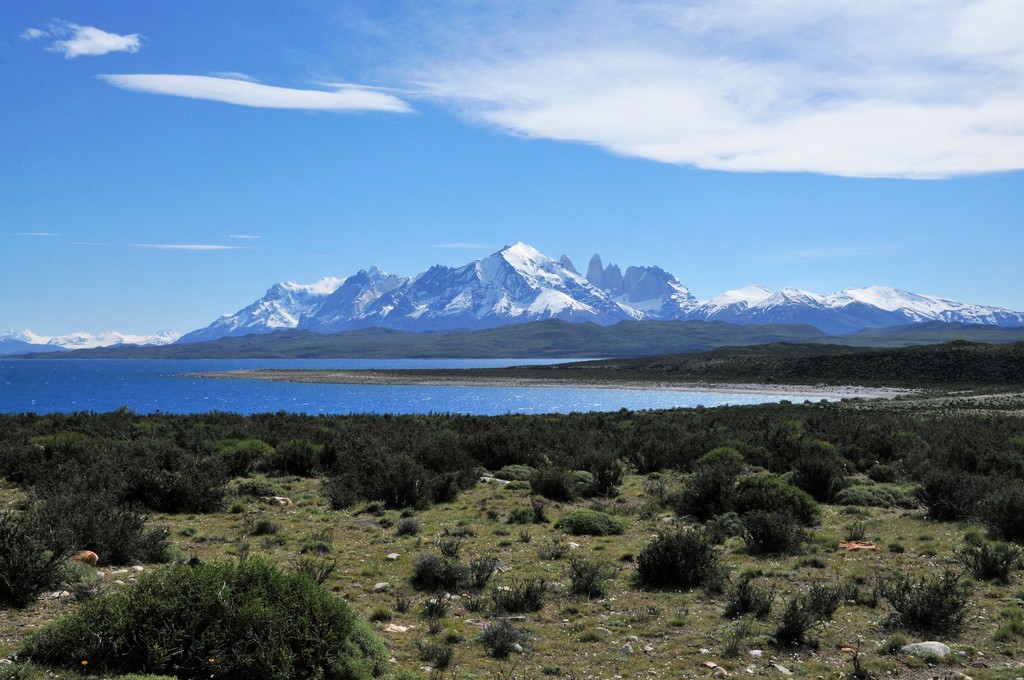
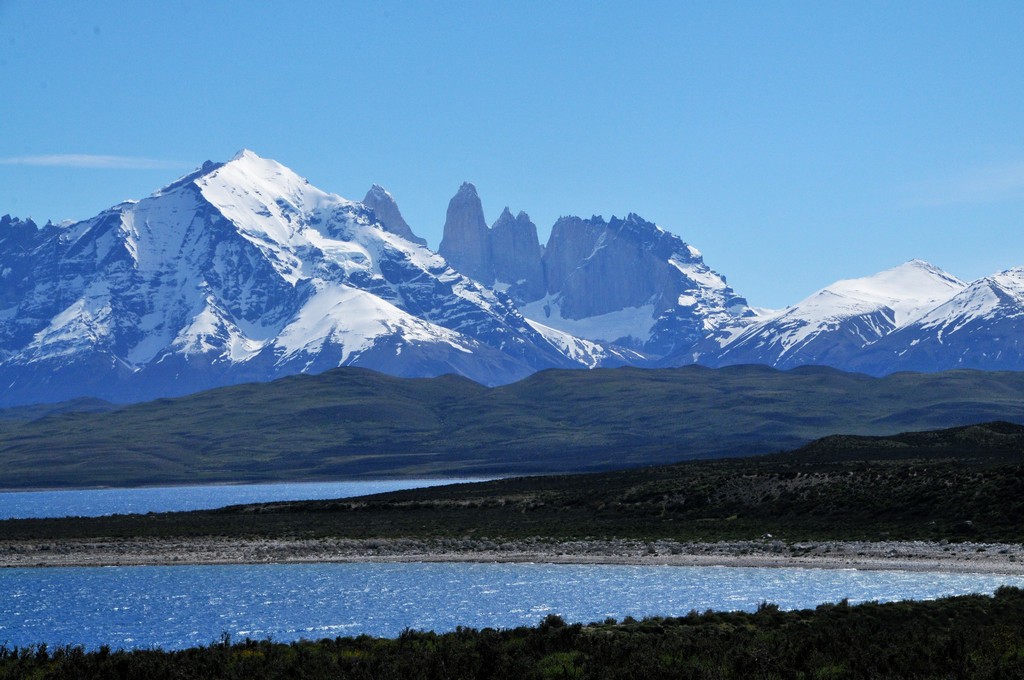
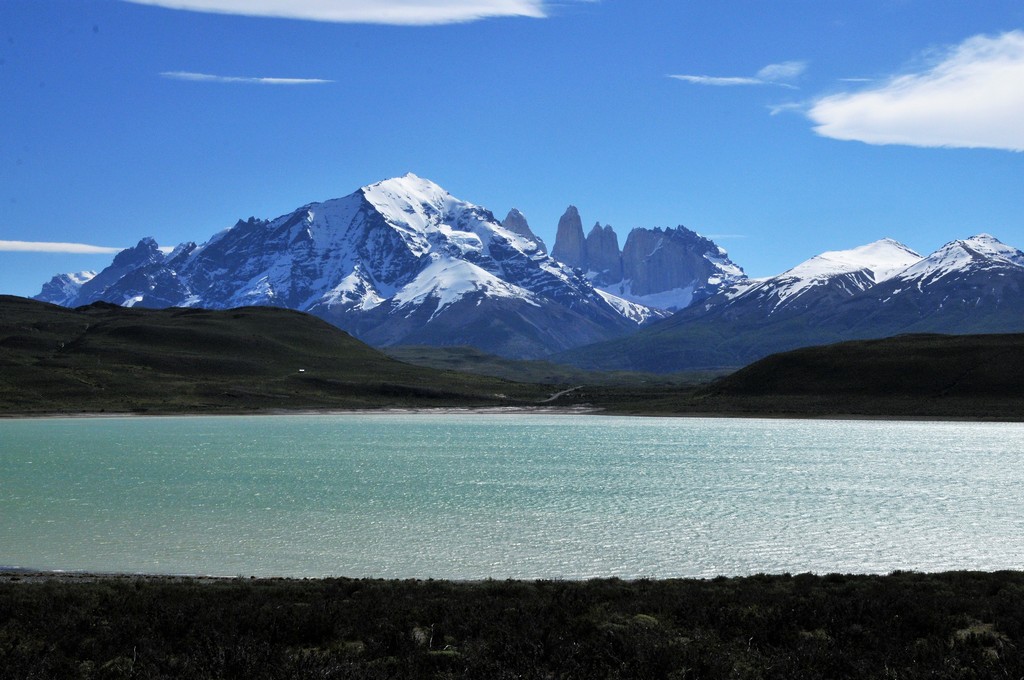
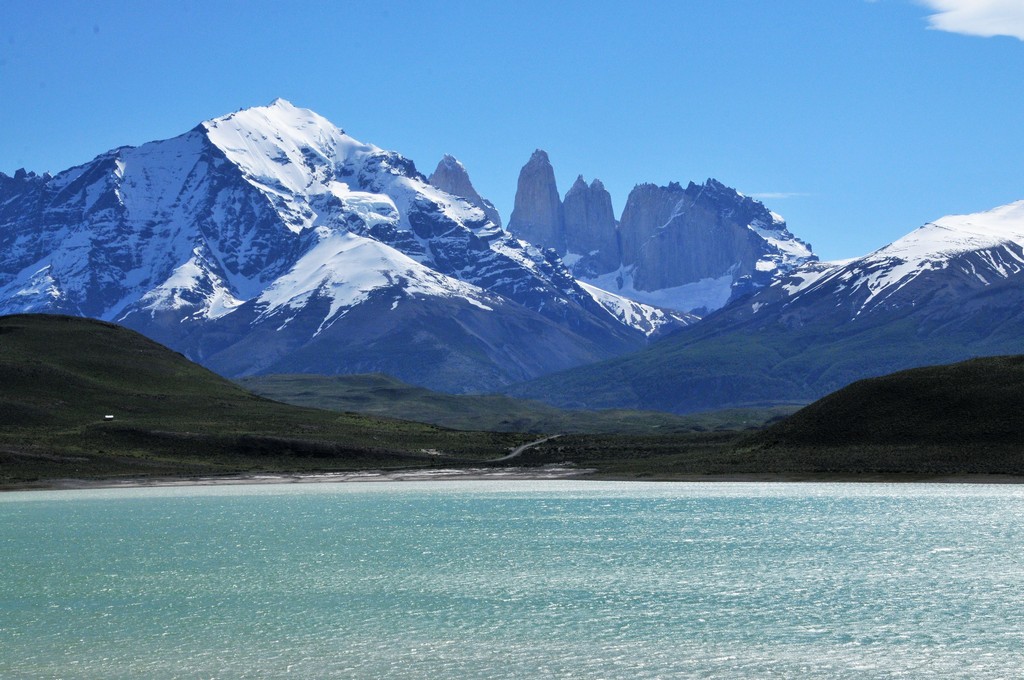
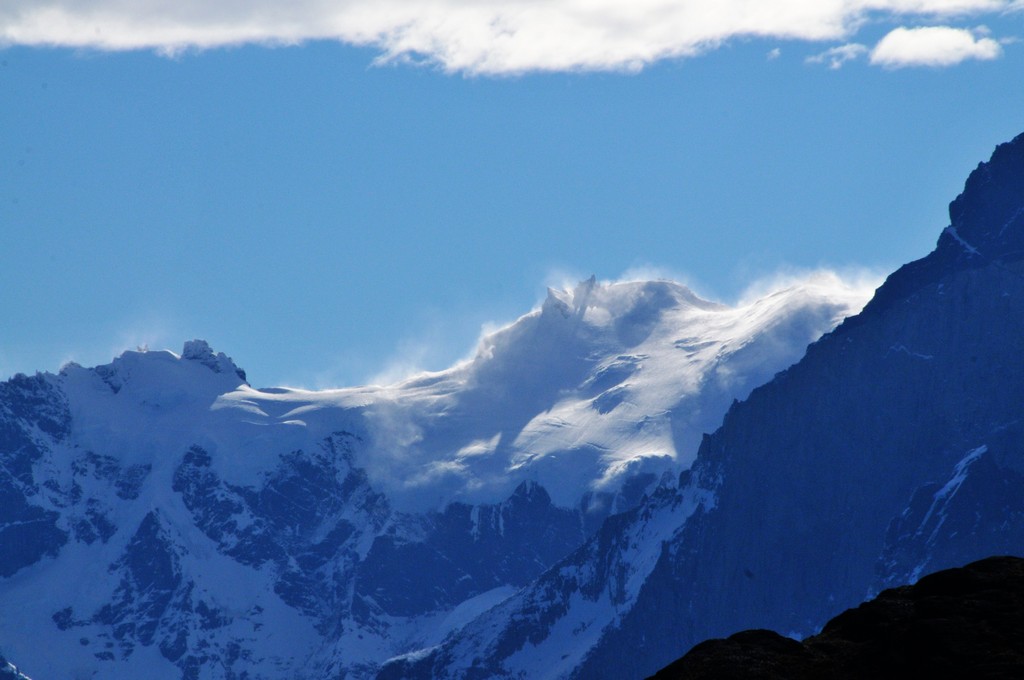
First glimpse of Torres del Paine in the distance
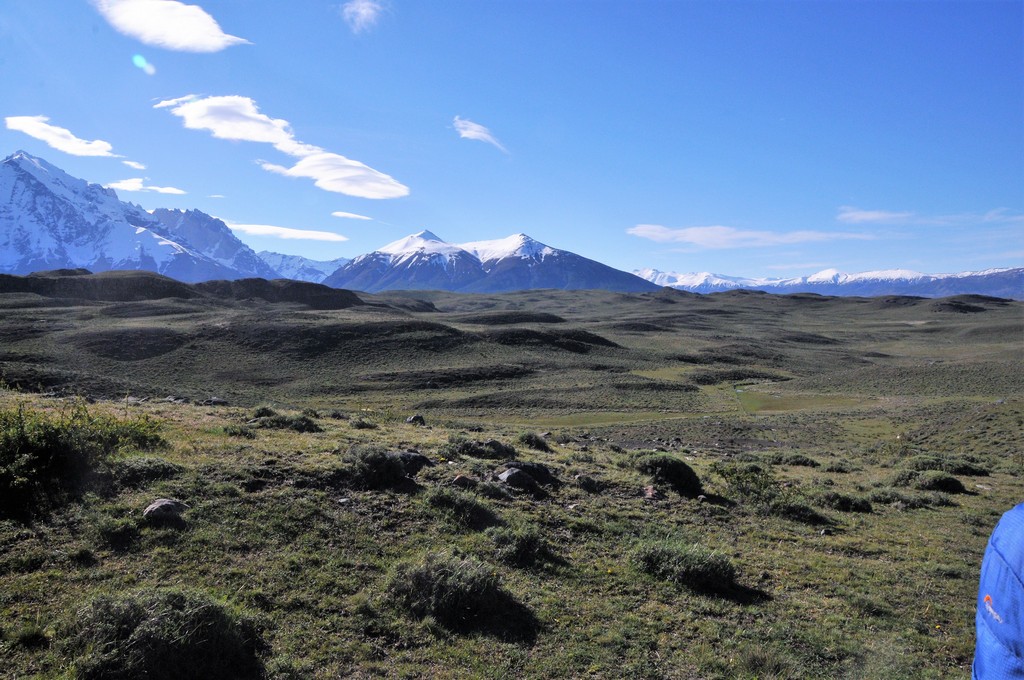
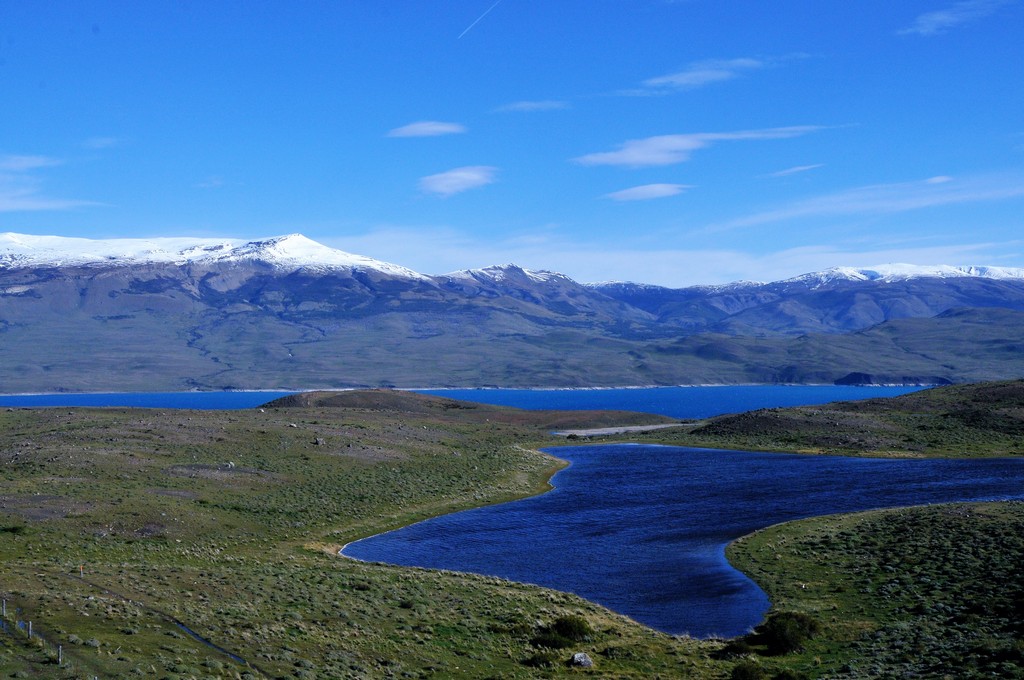
Torres del Paine National Park is a national park encompassing ancient forests, glaciers, lakes, rivers and fjords.
Returning to Puerto Natales  late into the night.
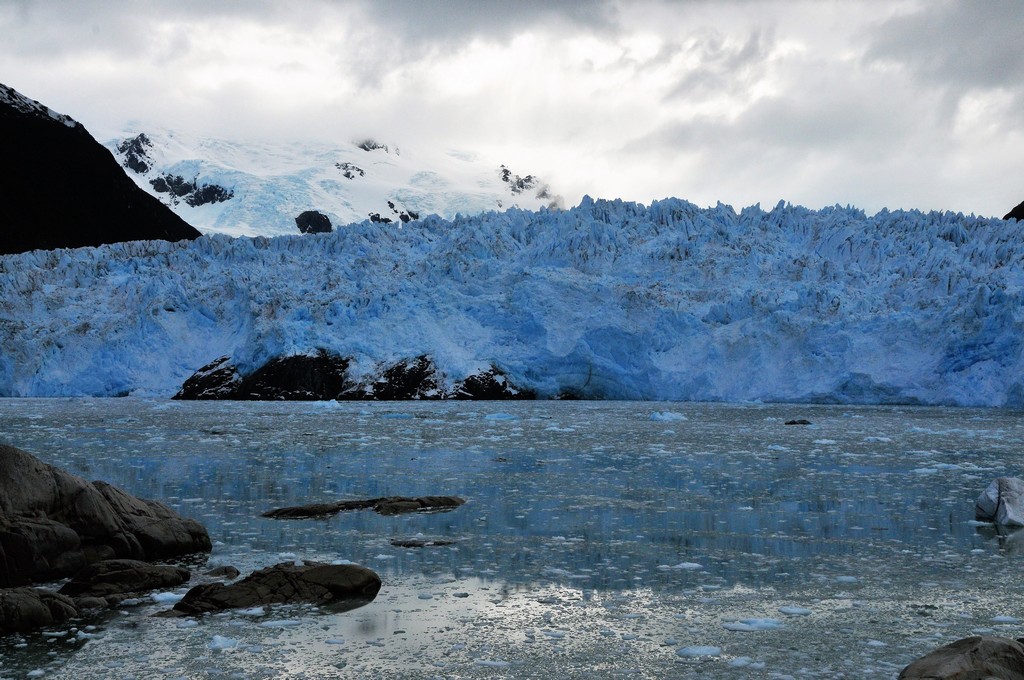
Amalia Glacier, also known as Skua Glacier, is a tidewater glacier located in Bernardo O'Higgins National Park on the edge of the Sarmiento Channel. The glacier originates in the Southern Patagonian Ice Field. From 1945 to 1986, its terminus retreated 4.3 miles, being, along with the recession of the O'Higgins Glacier, the most dramatic retreat of the glaciers of the mentioned ice field during that period.
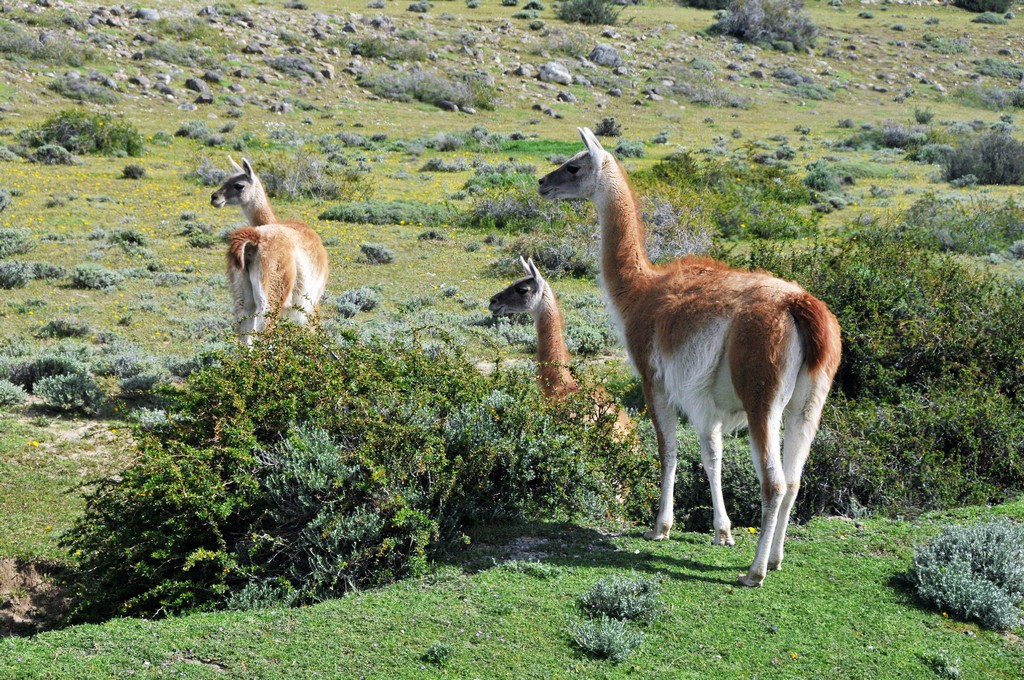
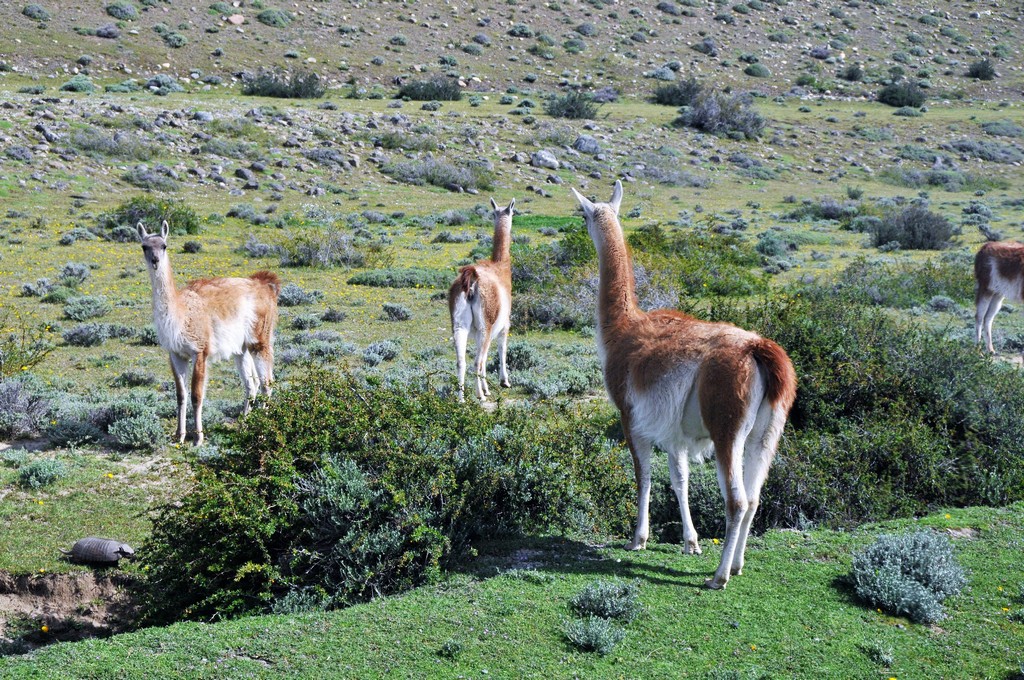
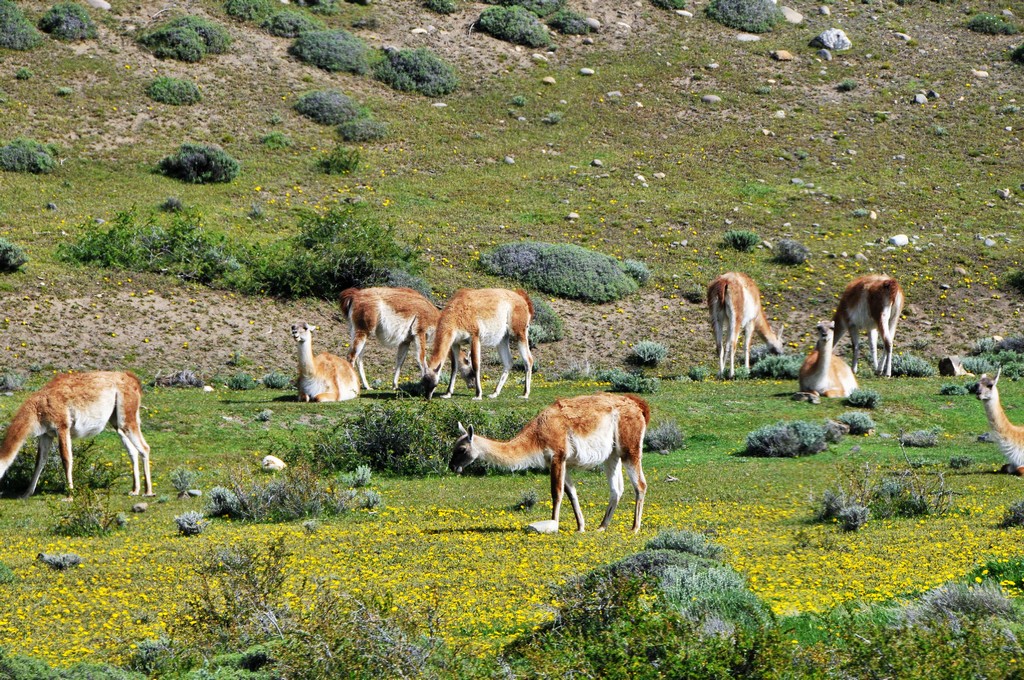
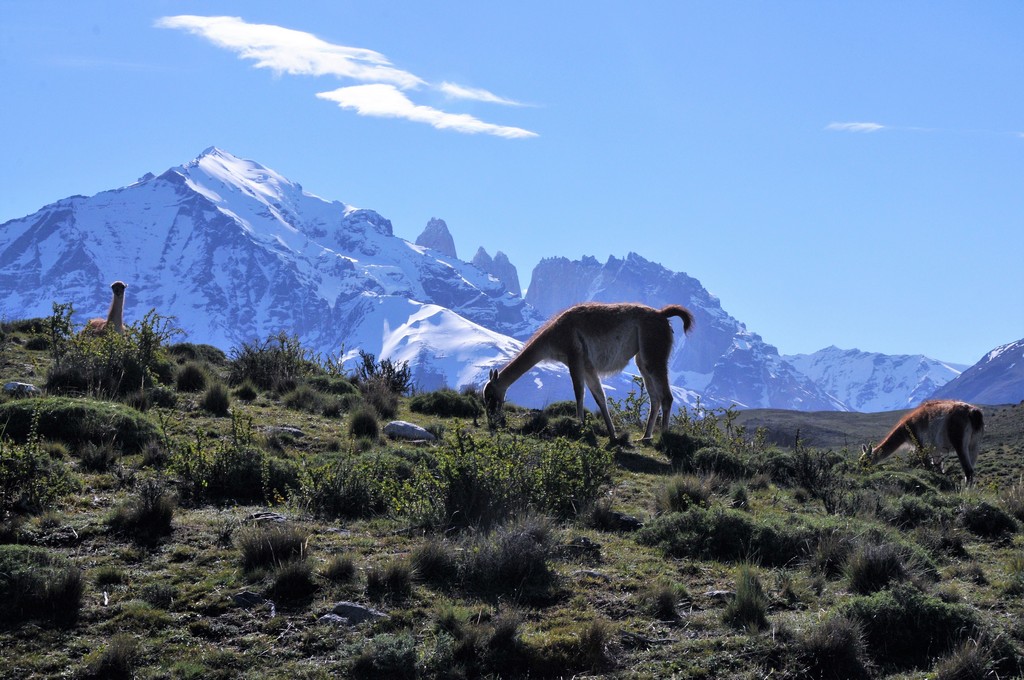
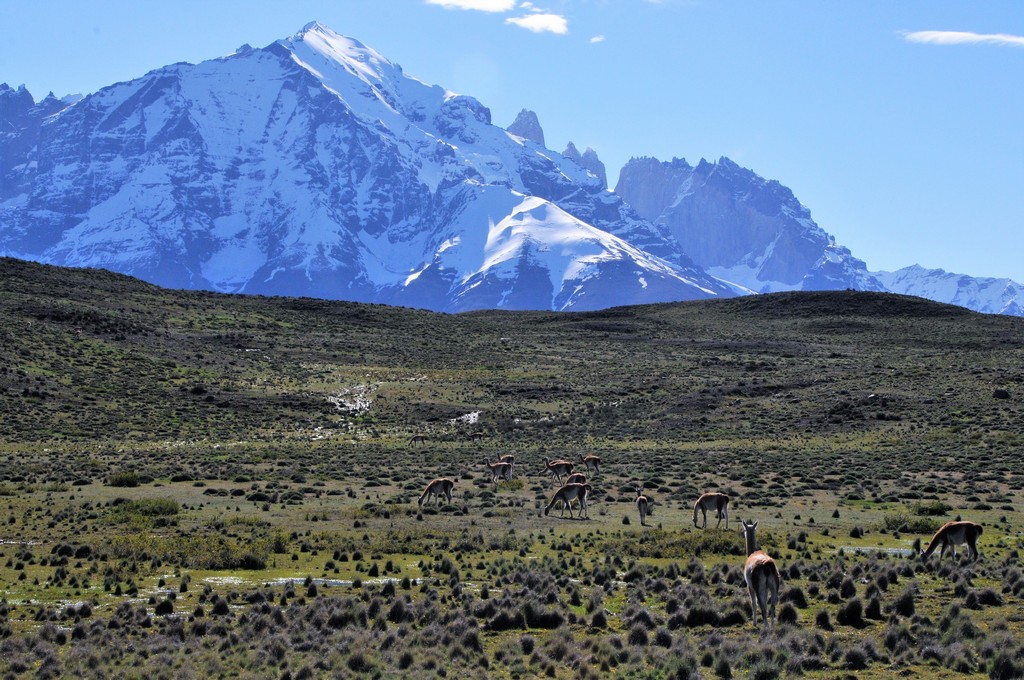
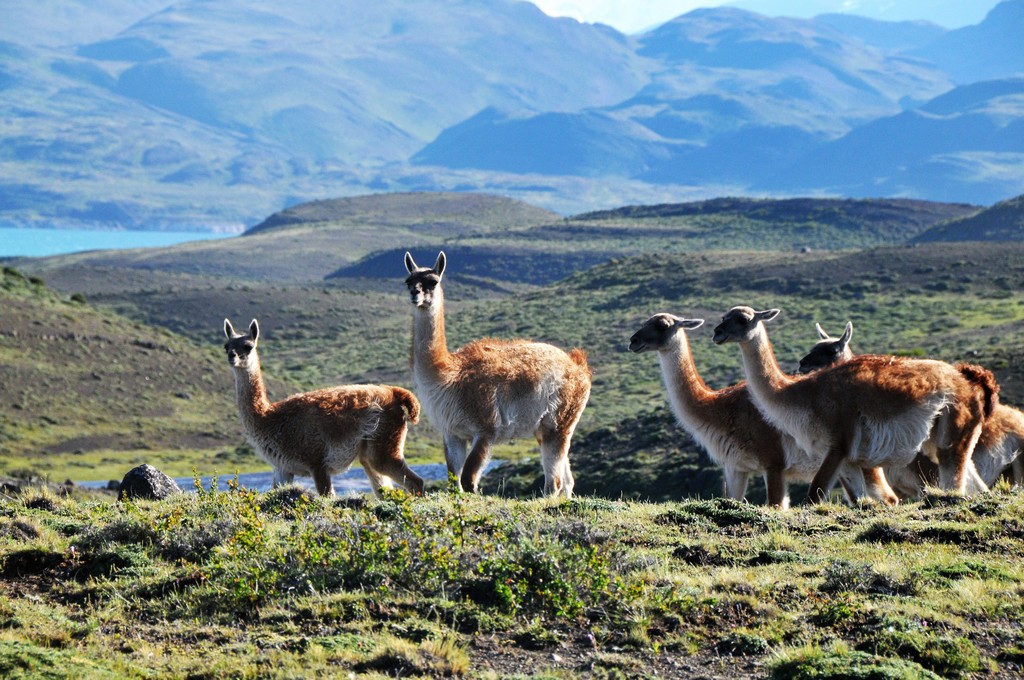
Guanaco
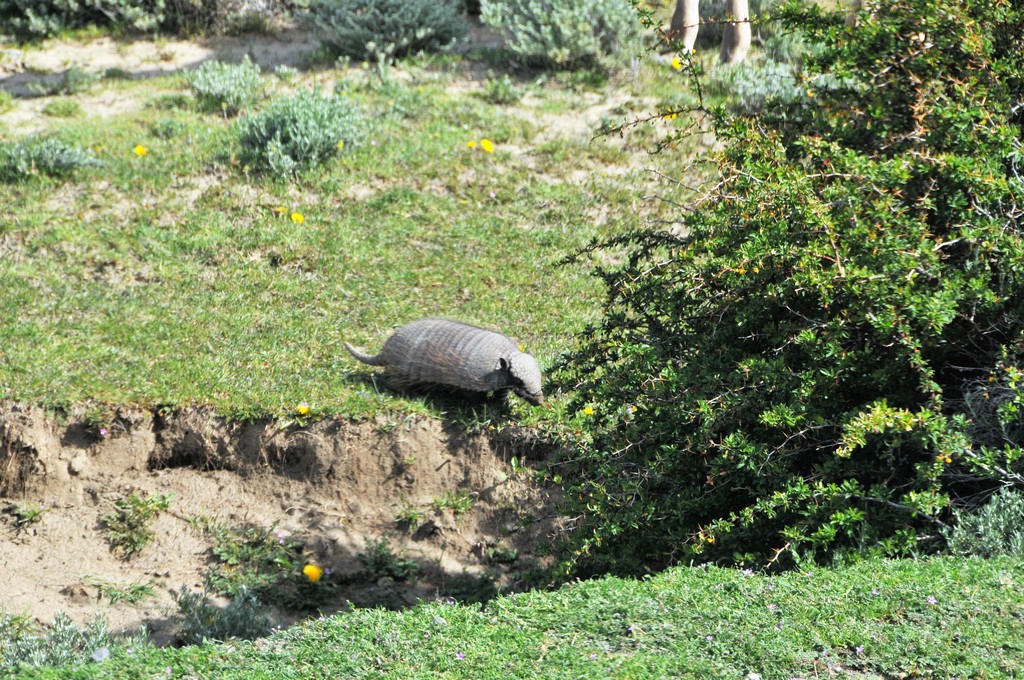
Armadillo
DSC_8671
DSC_8672
Torres del Paine was declared a biosphere reserve by UNESCO in 1978.
Torres del Paine National Park, in Chile’s Patagonia region, is known for its soaring mountains, bright blue icebergs that cleave from glaciers and golden pampas (grasslands) that shelter rare wildlife such as llama-like guanacos.
Beautiful sunset on the fjord.
DSC_8812
The national park has over 252,000 visitors per year. It is a popular hiking destination in Chile.
Not only does Torres del Paine boast several distinct ecosystems; each ecosystem contains a wealth of landscapes, flora, and fauna found nowhere else in world.
More than 40 mammals make their home in the park, including the guanaco, puma, and Patagonian gray fox. Some of the world's rarest bird species - the Andean condor, crested cara cara, and black vulture among them - are also found in Torres.
The mountains of Torres del Paine - jagged granite ridges and spires capped with shale - have long held significance for the region's native inhabitants. According to local myth, an evil serpent called Cai Cai caused a massive flood to kill the warrior tribe that lived in Torres del Paine. When the flood waters receded, Cai Cai took the bodies of the two largest warriors and turned them to stone - thereby creating the twin horns that crown the mountaintop of Cuernos del Paine.
The National Park Torres del Paine is one of the most spectacular national parks in the world.
There are 15 species of mammals and the most commonly seen are the guanaco, above, (Lama Guanicoe) and the Chilla and Culpeo foxes. The huemul Andean deer and the puma, cougar, are less often sighted. Birdlife is abundant, with over 115 species recorded including the Andean condor with its wingspan of up to 9 feet.
[Show slideshow]
◄ 1 ... 20 21 22 ... 30 ►

© 2026 Jim Schroder