Jim Schroder's Travel
  • Home
  • Trips
Select Page

Chile and Easter Island

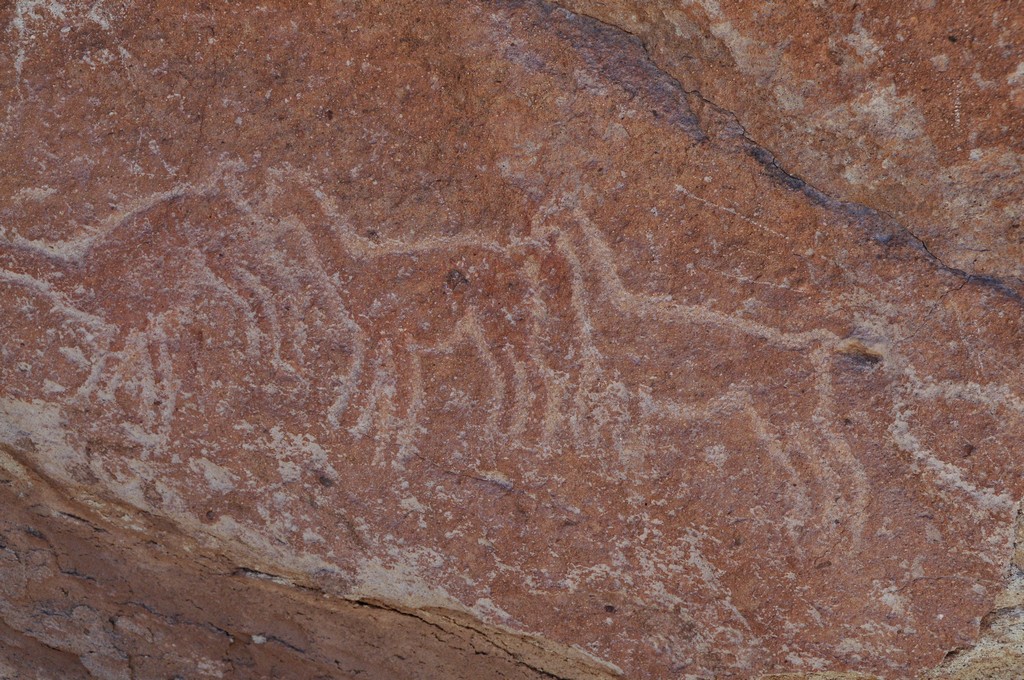
Llamas - this was their livelihood of the time.
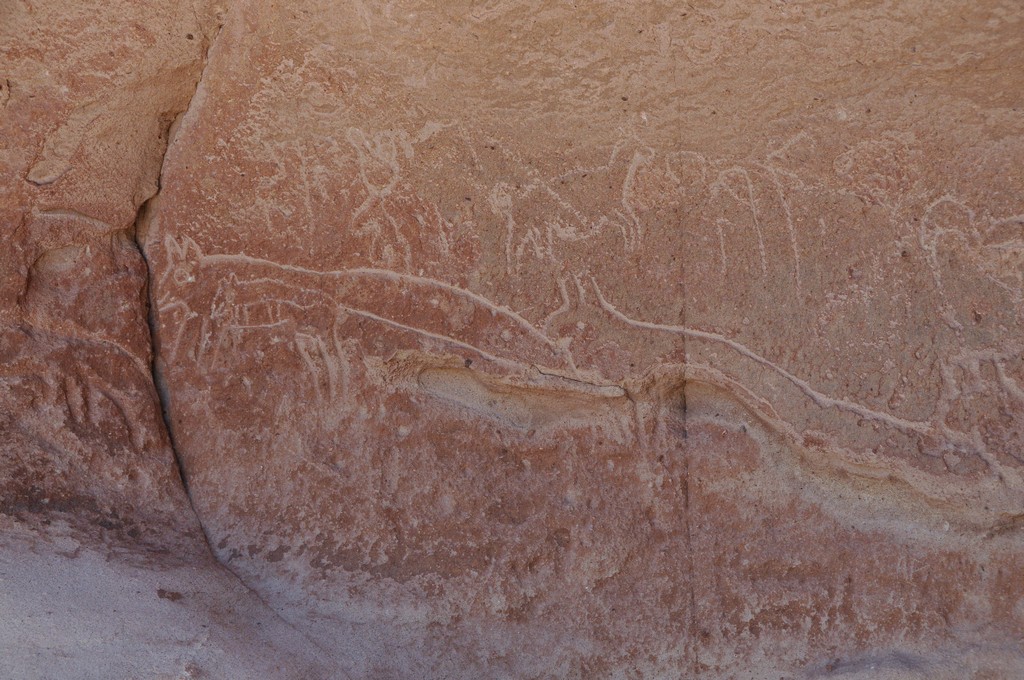
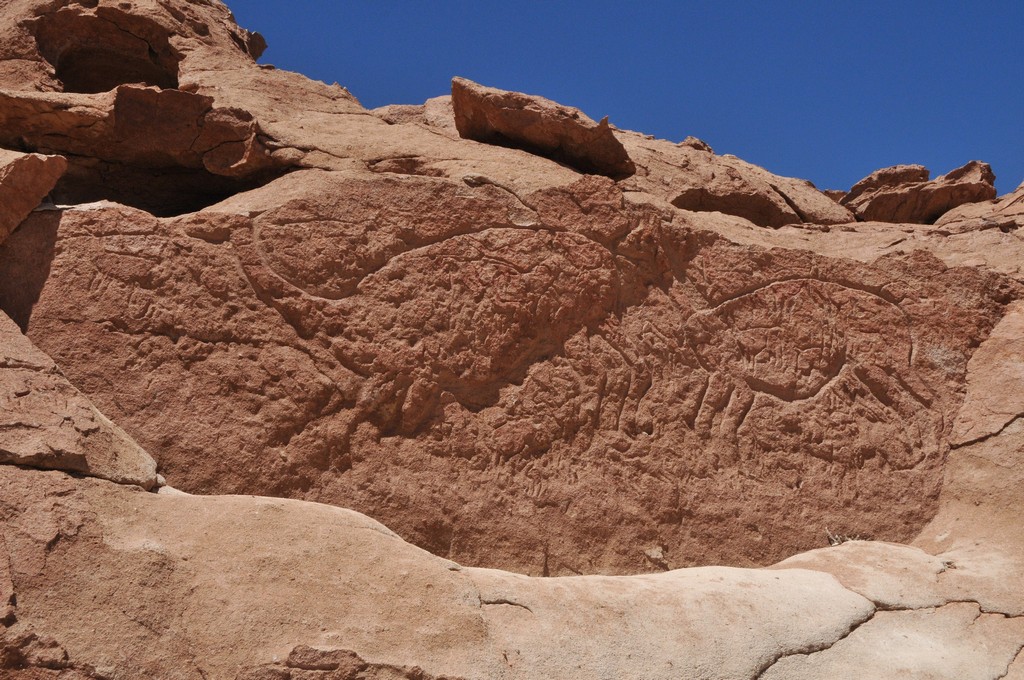
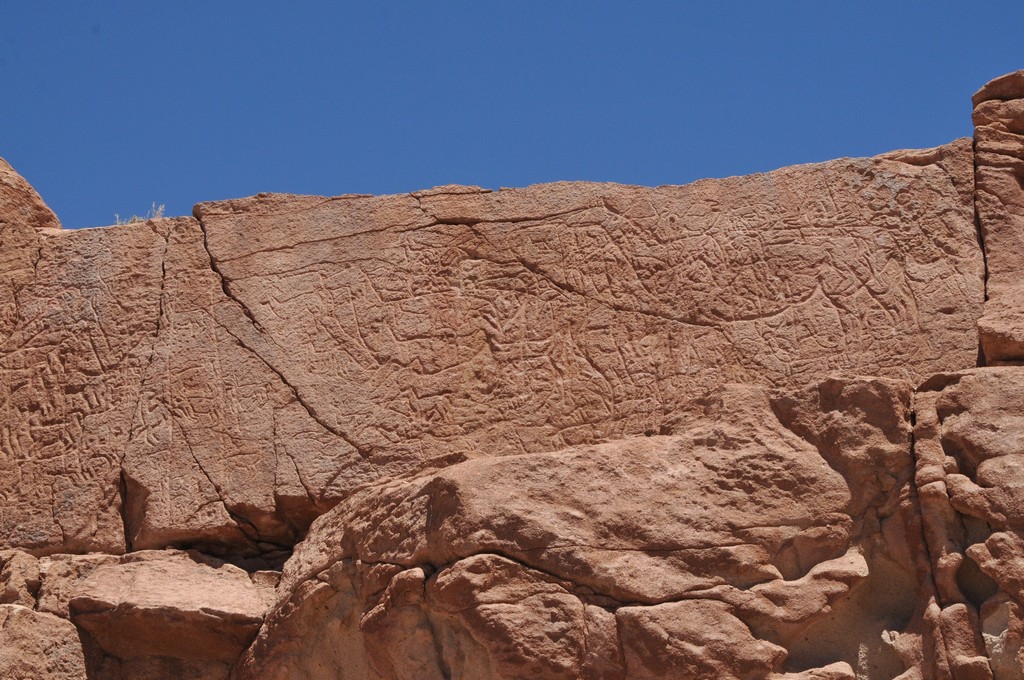
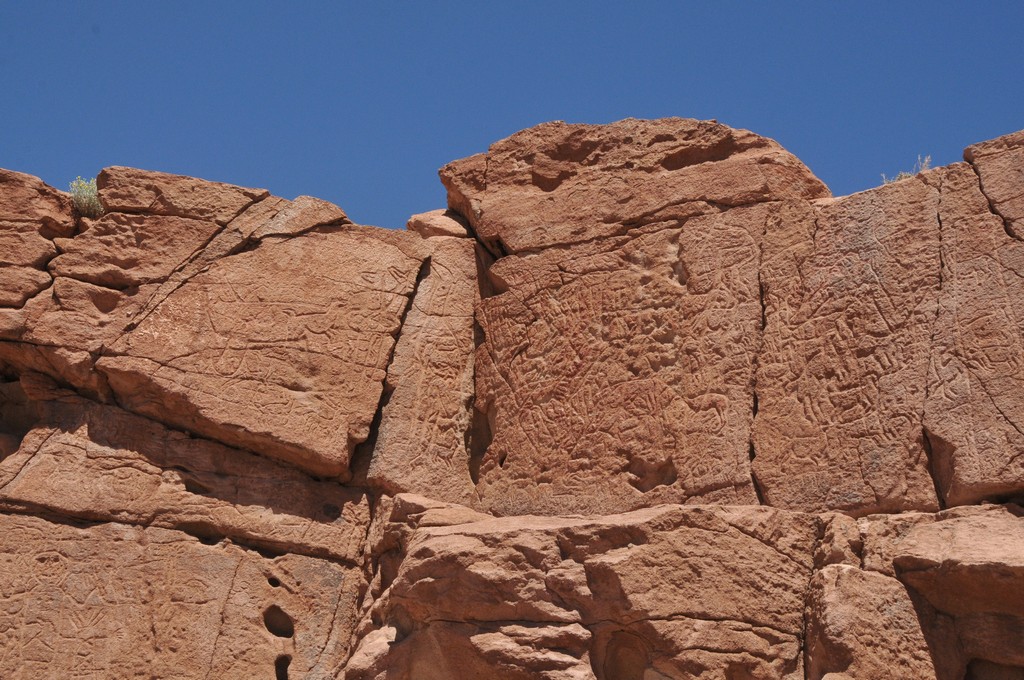
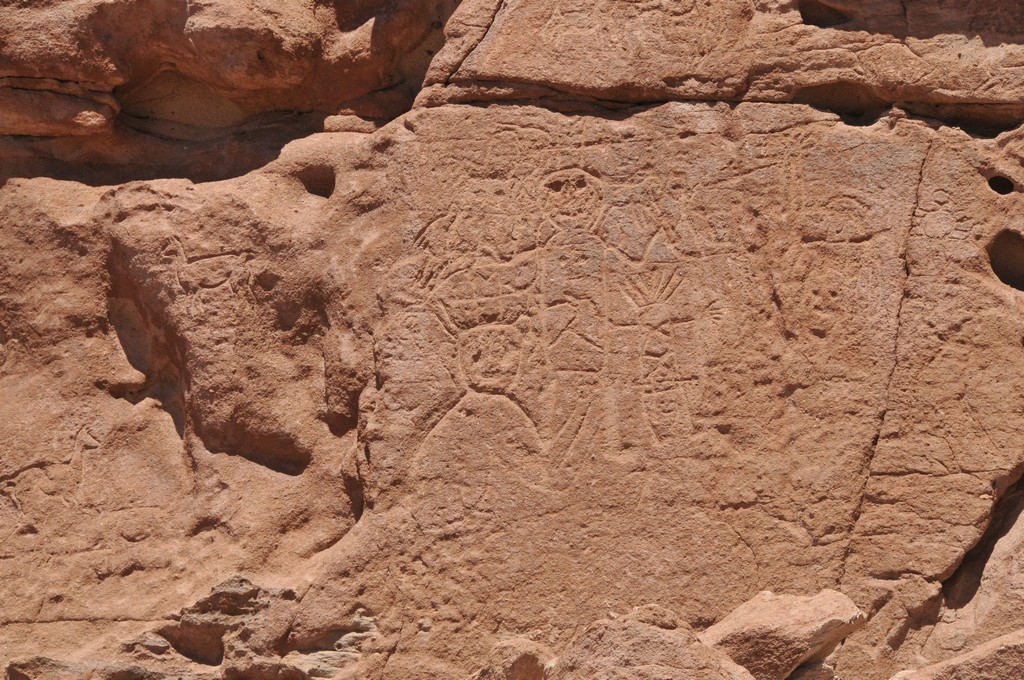
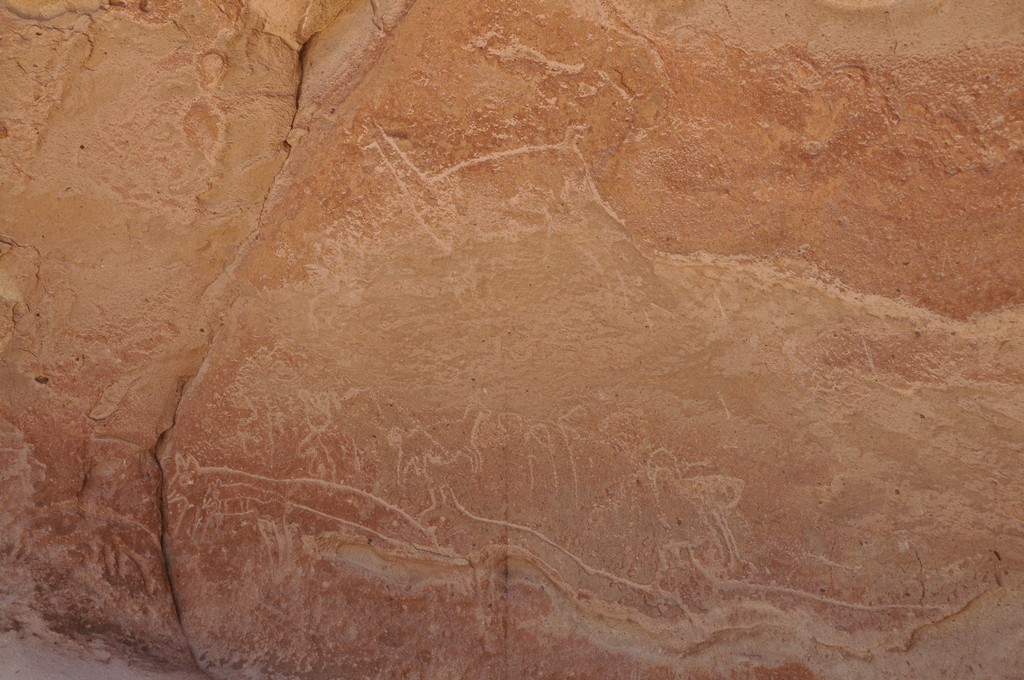
The drawings are attributed to the Atacama people that date back as early as 500 AD.
The images depict everything from gatherings of people to livestock, camels, llamas, and foxes.
DSC_8572
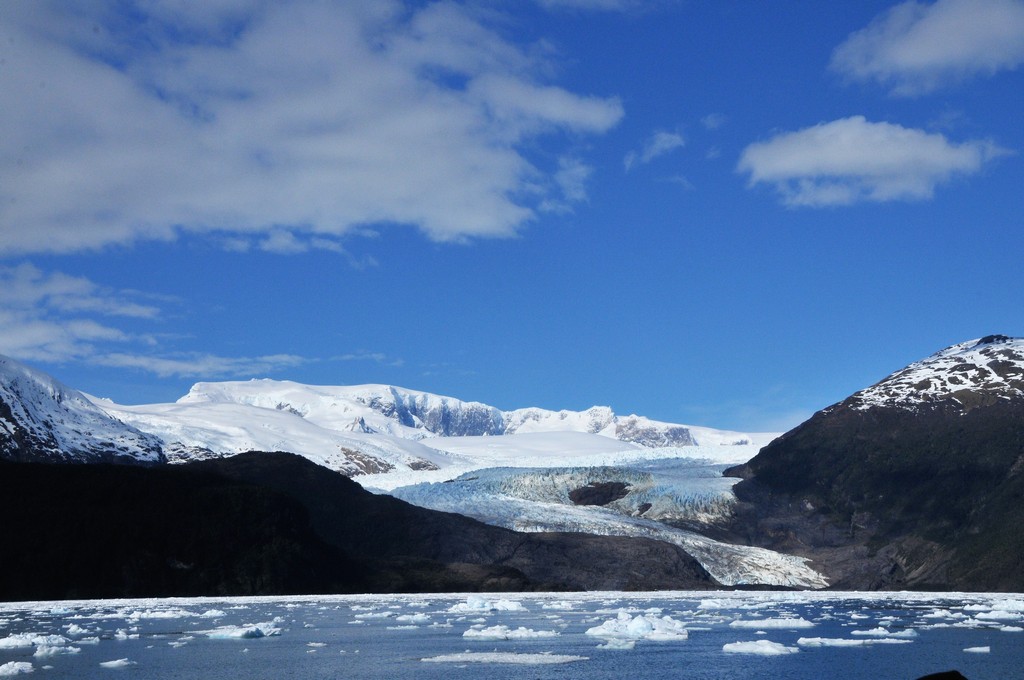
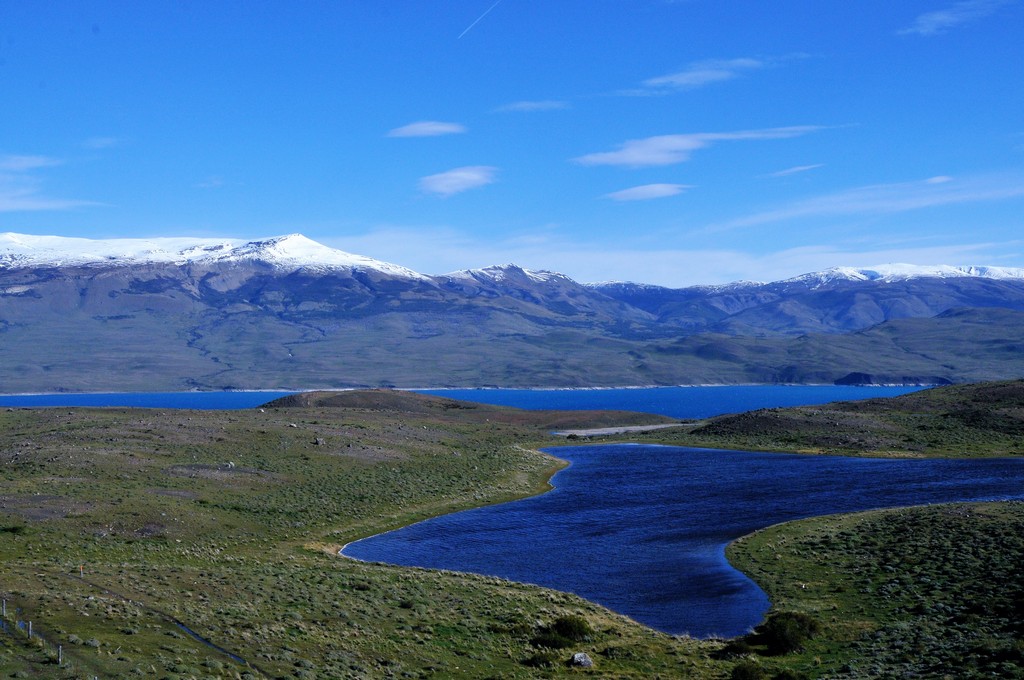
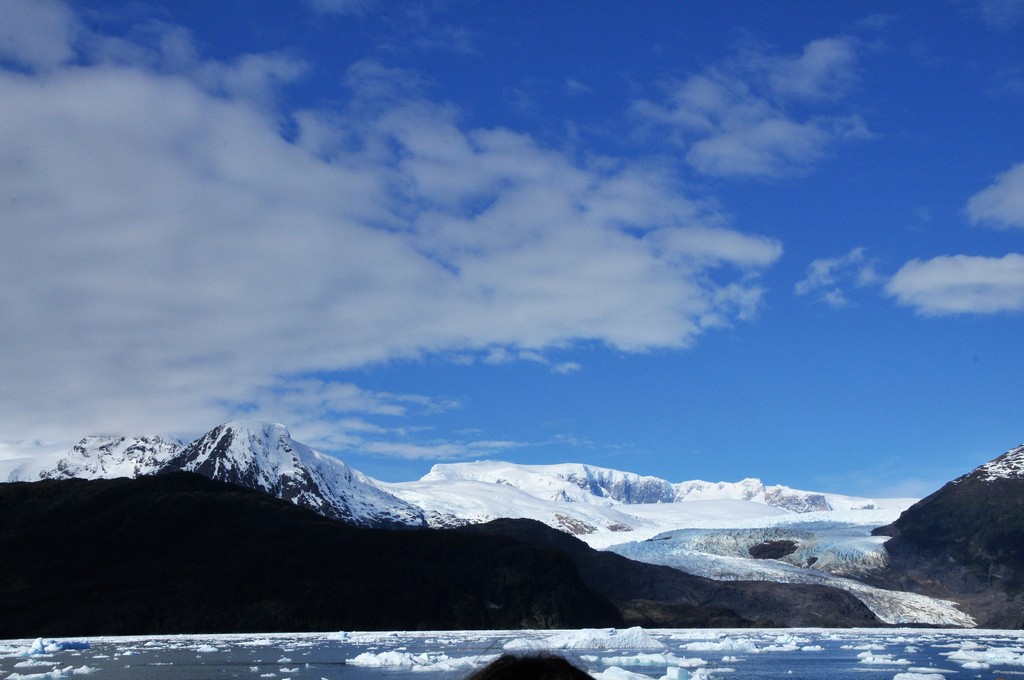
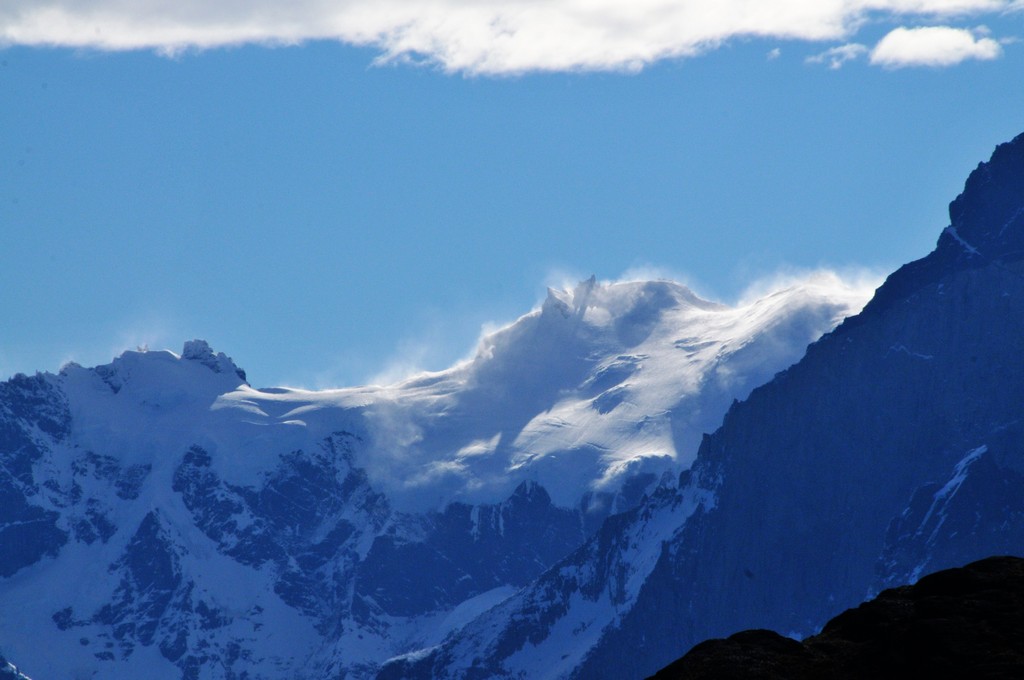
We see the El Brujo (Witch) glacier.
The National Park Torres del Paine is one of the most spectacular national parks in the world.
The site is relatively remote,
DSC_8576
What the local people of that time thought of themselves through art.
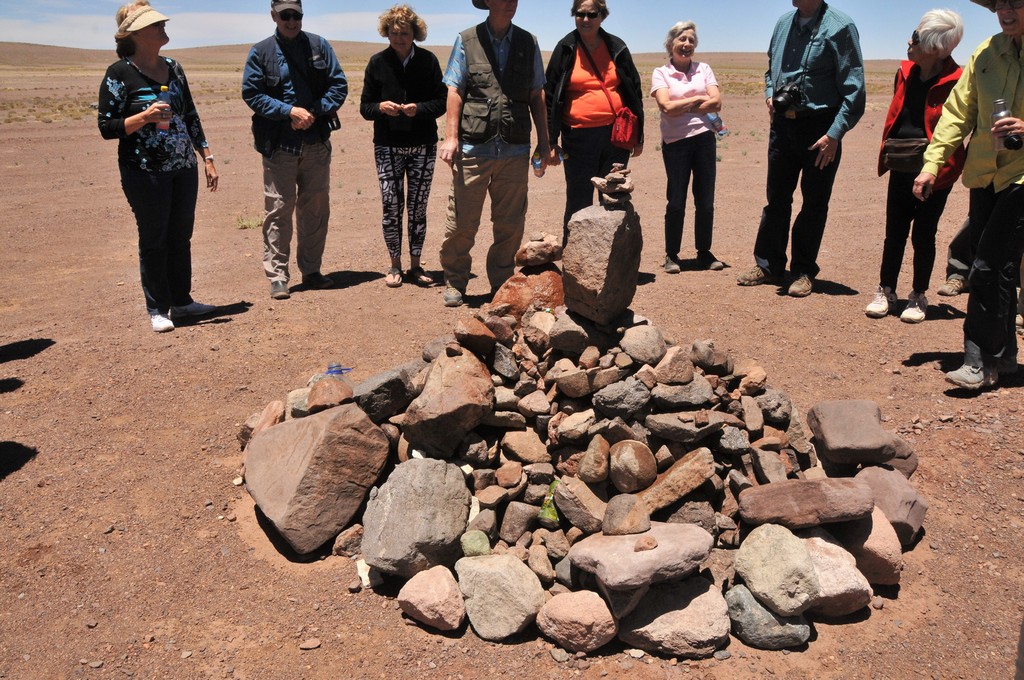
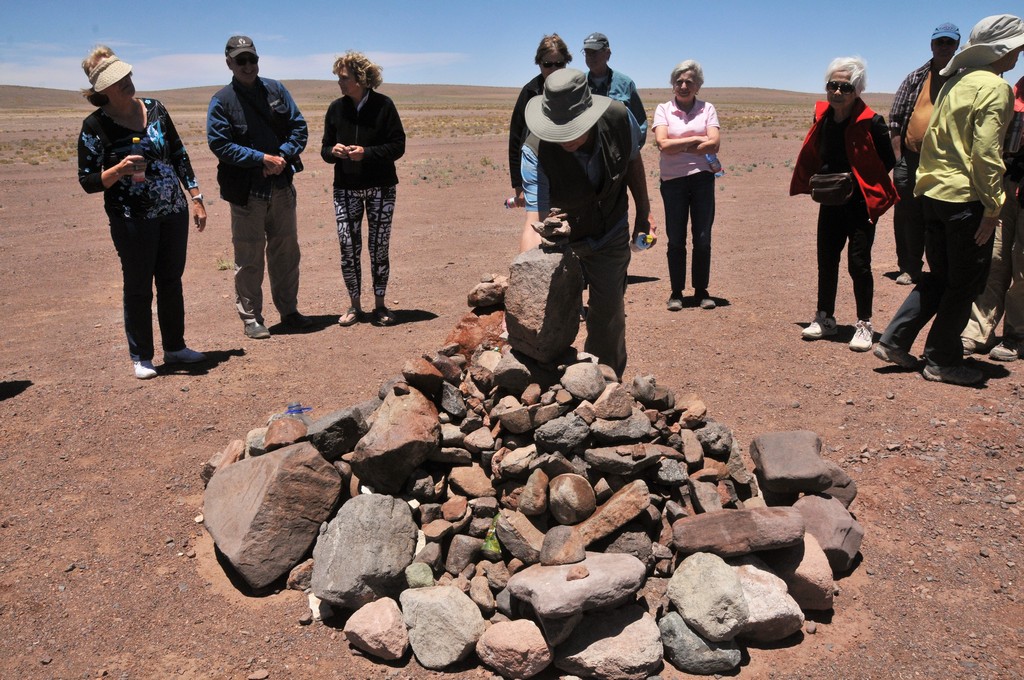
We stopped by the road to see a rock art. Each of us added a rock and told what they enjoyed most about the Atacama Desert area of Chile. I put the large rock at the top on to the pile. Others added smaller rocks on top of the large rock. .
Placing another rock somewhere.
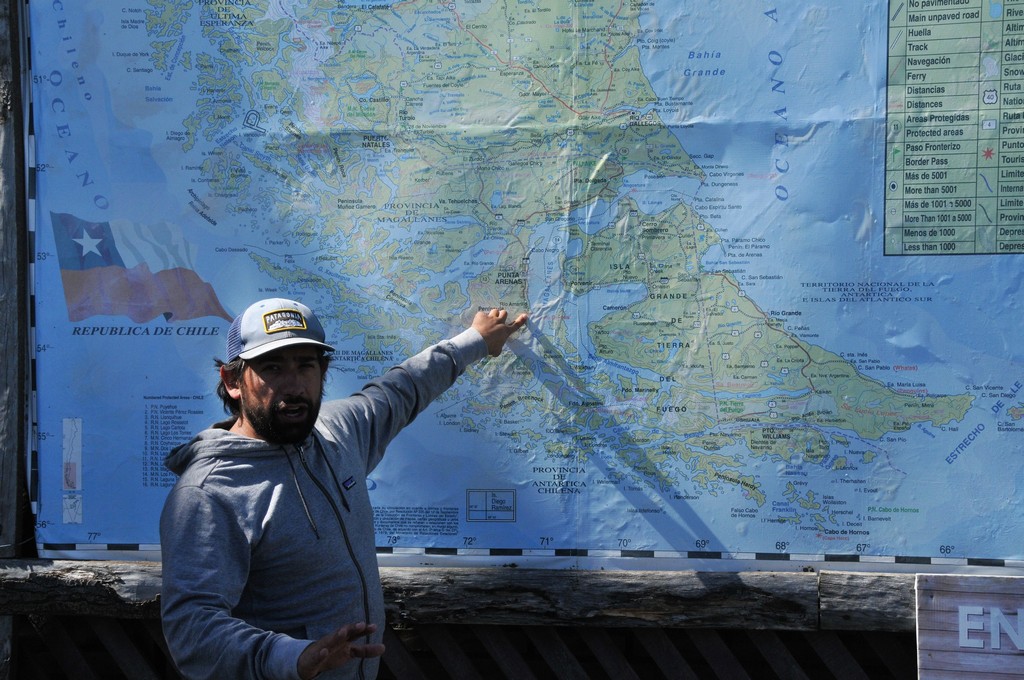
Our local guide, Victor Vega, in Punta Arenas, explains on the map where we are in Southern Chile.. Punta Arenas, Sandy Point in English, is the capital city of Chile's southernmost region, Magallanes and Antarctica Chile. The city was officially renamed as Magallanes in 1927, but in 1938 it was changed back to "Punta Arenas". It is the largest city south of the 46th parallel south. As of 1977 Punta Arenas has been one of only two free ports in Chile.
We boarded an icebreaker boat, the Capitan Constantino, to sail through the choppy ice and get in to the middle of this floating ice field.
The mountains of Torres del Paine - jagged granite ridges and spires capped with shale - have long held significance for the region's native inhabitants. According to local myth, an evil serpent called Cai Cai caused a massive flood to kill the warrior tribe that lived in Torres del Paine. When the flood waters receded, Cai Cai took the bodies of the two largest warriors and turned them to stone - thereby creating the twin horns that crown the mountaintop of Cuernos del Paine.
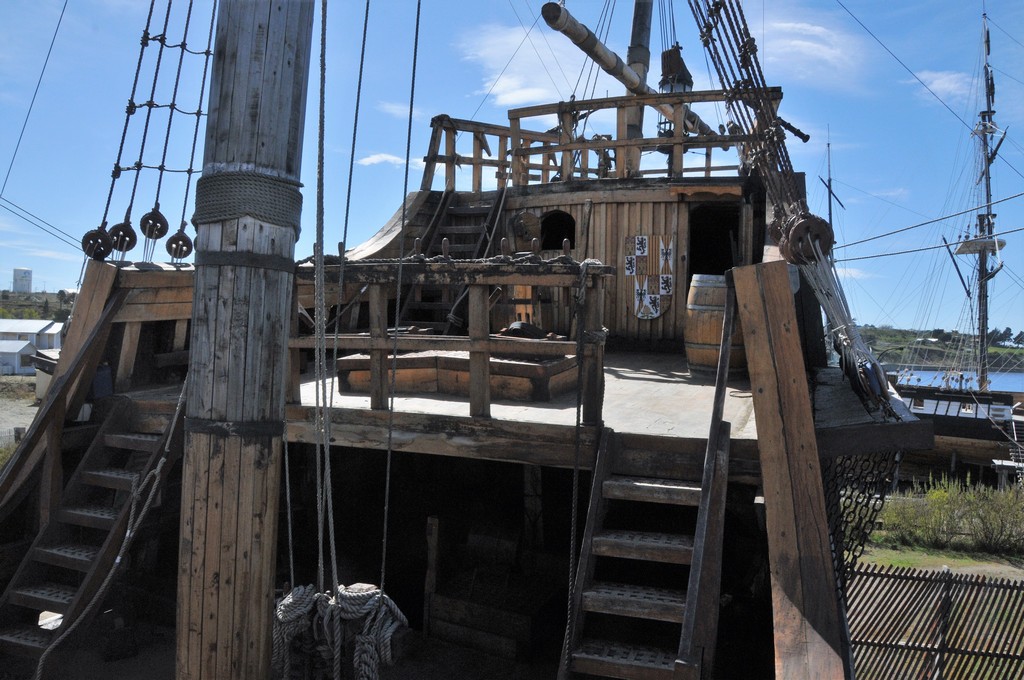
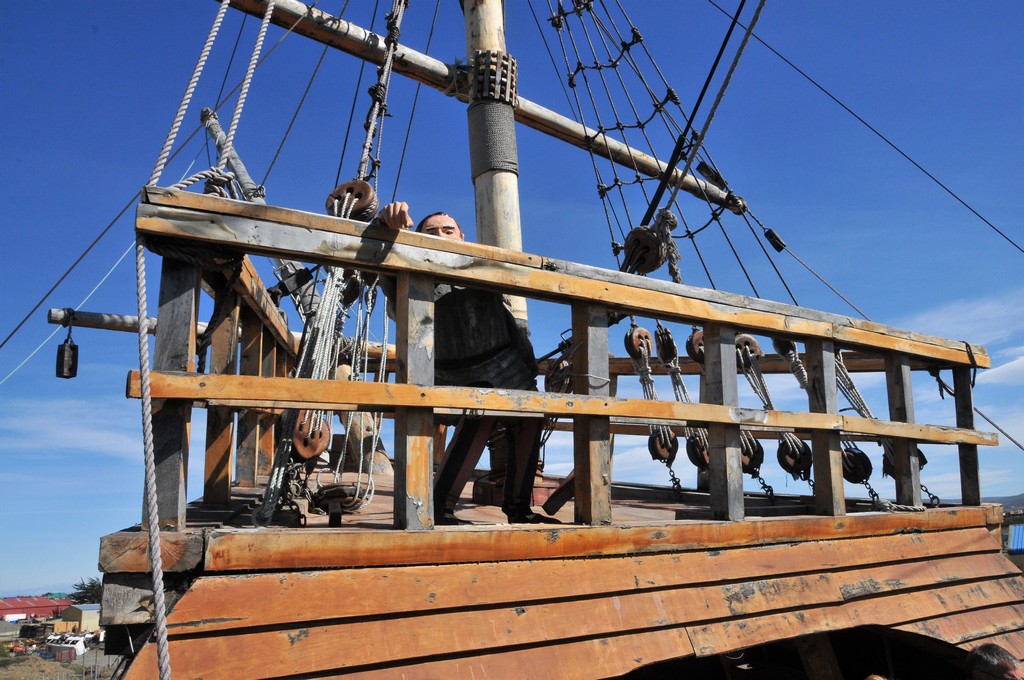
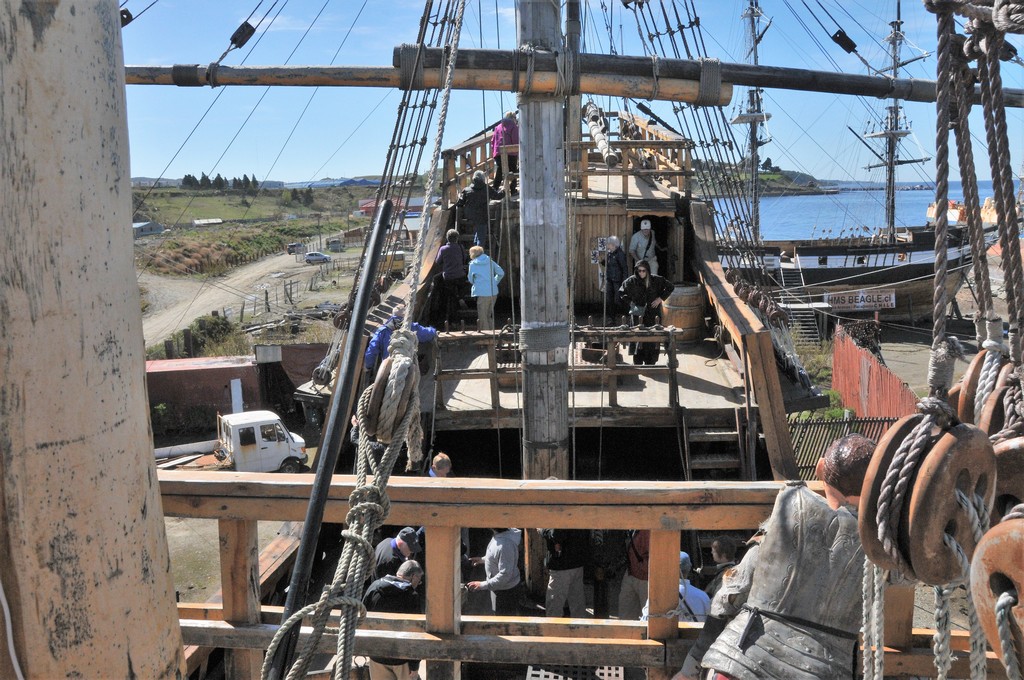
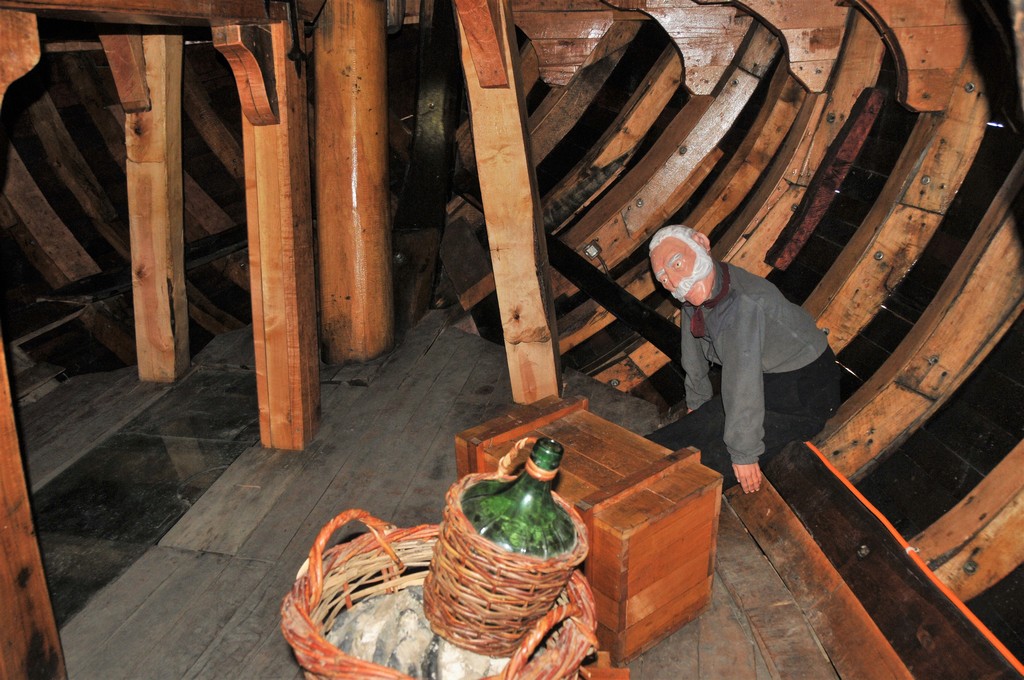
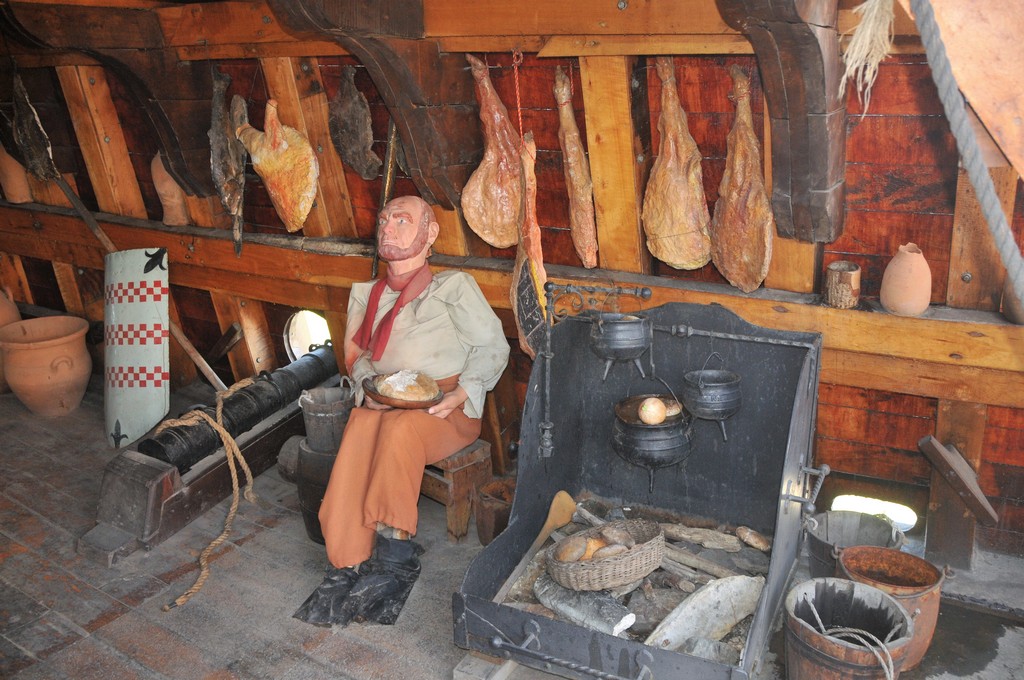
We are visiting the Nao Victoria Museum to see a replica of one of Ferdinand Magellan's ships, complete with furniture and hardware.
The museum is privately owned. The museum's goal is to be interactive and offer its visitors the experience of interacting with replicas of the ships that contributed to the discovery of the area, colonization of the territory, or have a special and historic heritage significance for the Magallanes Region of Chile. The replicas were built using traditional shipbuilding techniques.
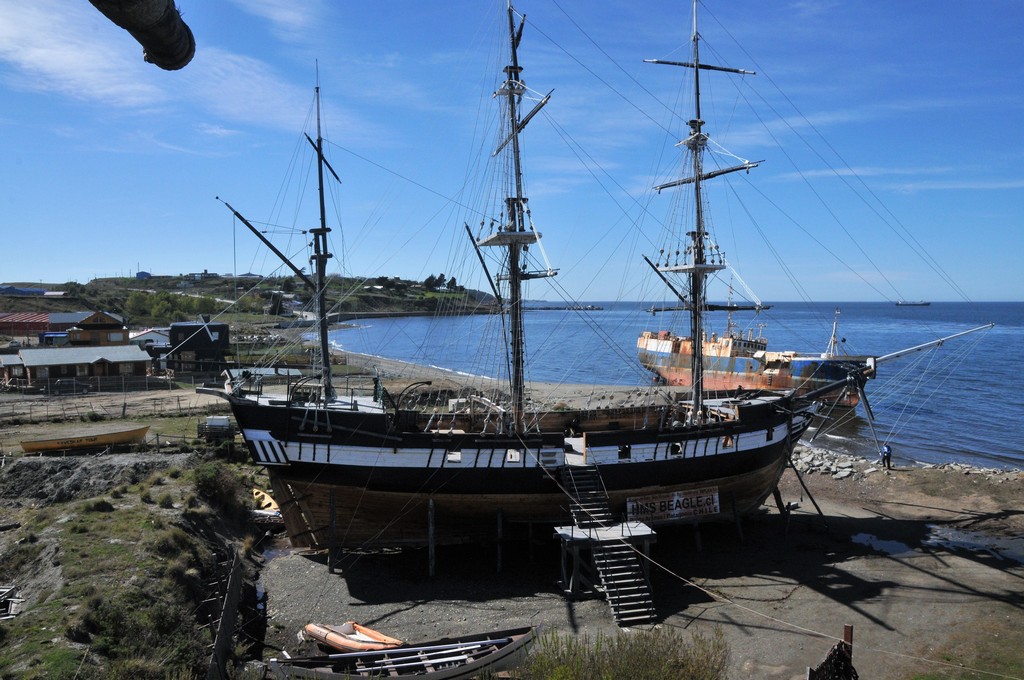
The main collection of the museum is the full-size replicas of historic ships on display along the Straits of Magellan.
HMS Beagle was a Cherokee-class 10-gun brig-sloop of the Royal Navy, one of more than 100 ships of this class. The vessel was launched on 11 May 1820 from the Woolwich Dockyard on the River Thames.
Victoria, was a carrack, 89 feet long, 23 feet wide, that was part of the fleet commanded by Ferdinand Magellan that discovered the waterway around southern tip of the South American continent. Later, commanded by Juan Sebastian Elcano, she was the only ship of the five to complete the first-time circumnavigation of the globe. Commanded by Duarte Barbosa, Nao Victoria participated in the Discovery of Chile, being the first to explore the region in 1520, and discovering or naming Patagonia, Cape Virgenes, the Straits of Magellan, Tierra del Fuego, the Pacific Ocean and other milestones.  She is one of the most famous ships in history of navigation.
Replica of the Victoria, cook at the stove.
[Show slideshow]
◄ 1 ... 18 19 20 ... 30 ►
© 2026 Jim Schroder