Jim Schroder's Travel
  • Home
  • Trips
Select Page

Chile and Easter Island

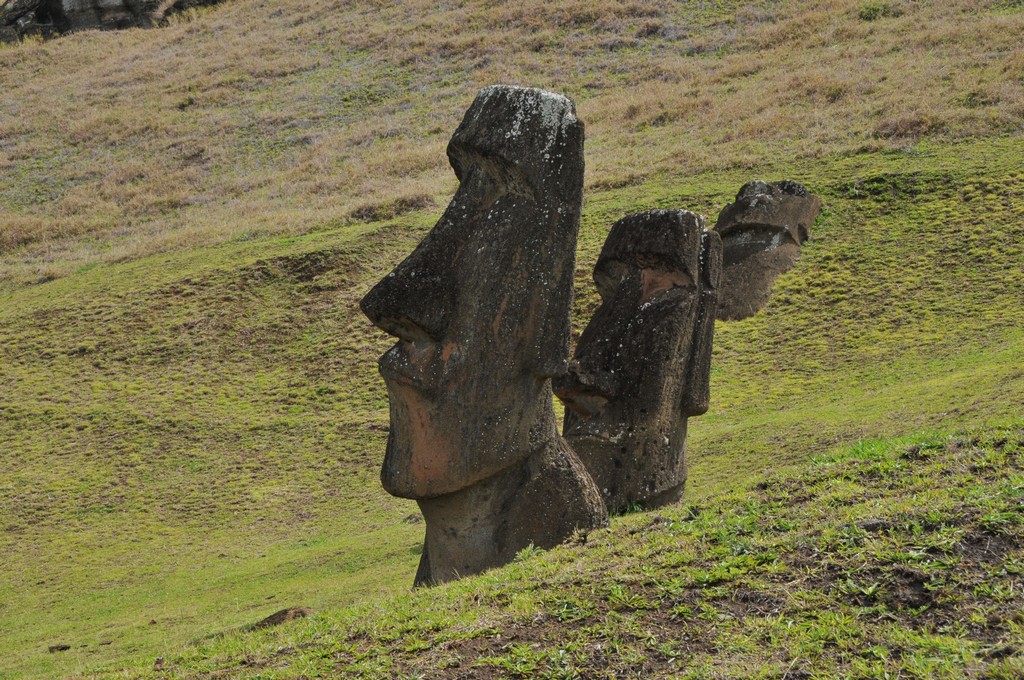
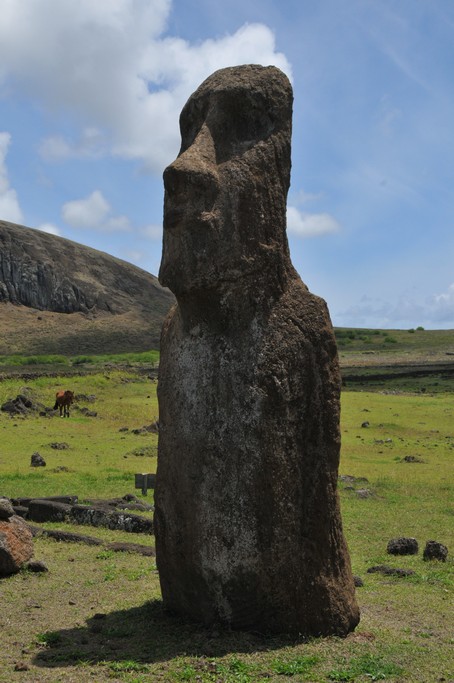
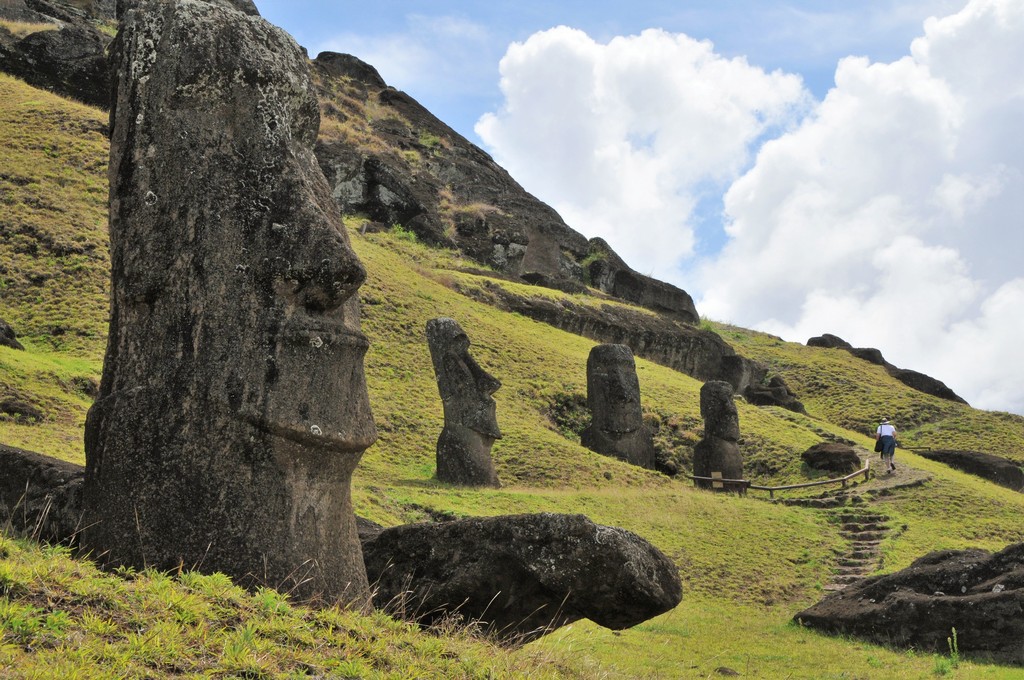
Rano Raraku was chosen as a factory not for its location, but for the rock it consists of. The material is called tuff (or sometimes tufa, which is simply volcanic ash. This particular volcano spewed out huge amounts of ash during its eruption, and when this ash landed on the ground, it melted together, forming the tuff material. Prevailing southward winds during the eruption was what gave the volcano its peculiar shape of a long slope.
The reason the moai statues are buried into the ground is because of the way the ancient quarry workers handled the incredibly heavy weight of the statues. Once they were detached from the rock in the upper portions of the volcano, the statues were slid down to the hilly, lower areas of Rano Raraku where there is soil. Here, a great pit had been dug. Once a statue reached its pit, gravity tilted it until it was fully erected. Using this clever technique, the quarry workers saved themselves the great labour of raising every statue by hand
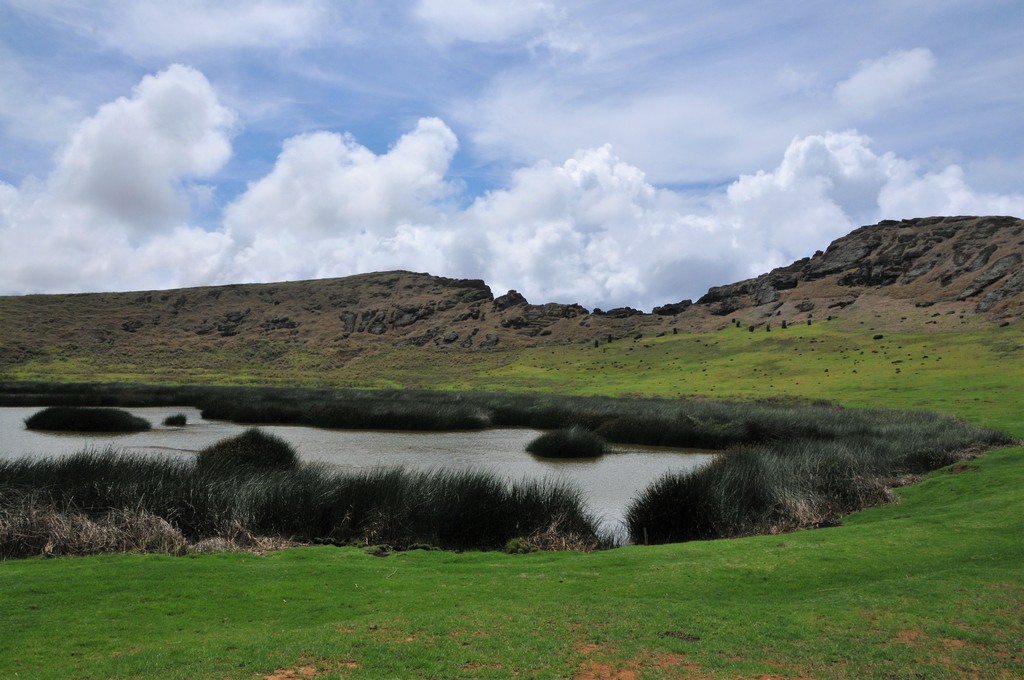
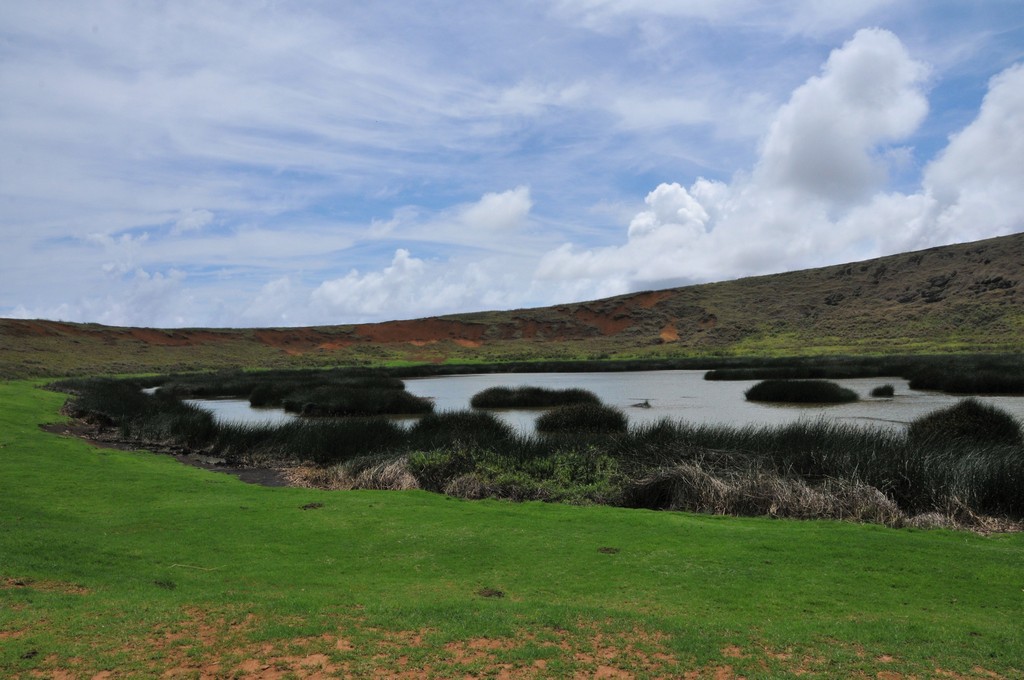
The sides of Rano Raraku crater are high and steep except on the north and northwest, where they are much lower and gently sloping. The interior contains one of the island's three freshwater crater lakes, which is bordered by nga'atu or totora reeds. These plants, once thought as evidence of contact with the South American mainland, are now known to have been growing on the island for at least 30,000 years and were used by the Rapa Nui for thatched shelter and swimming aids.
DSC_8012
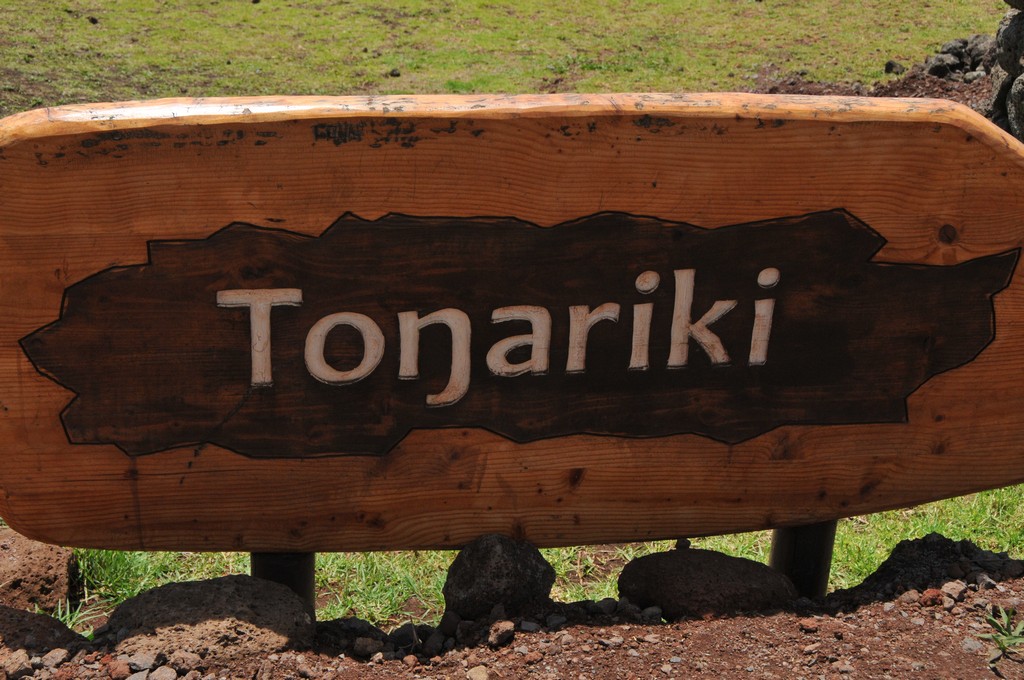
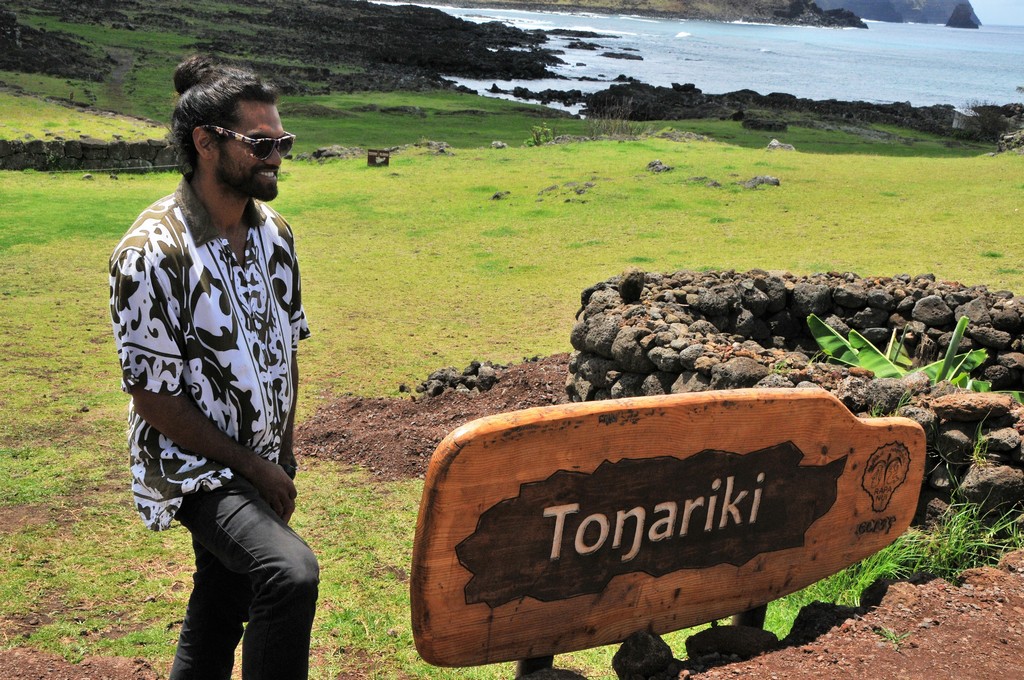
Somehow they left the g  out of Tongariki.
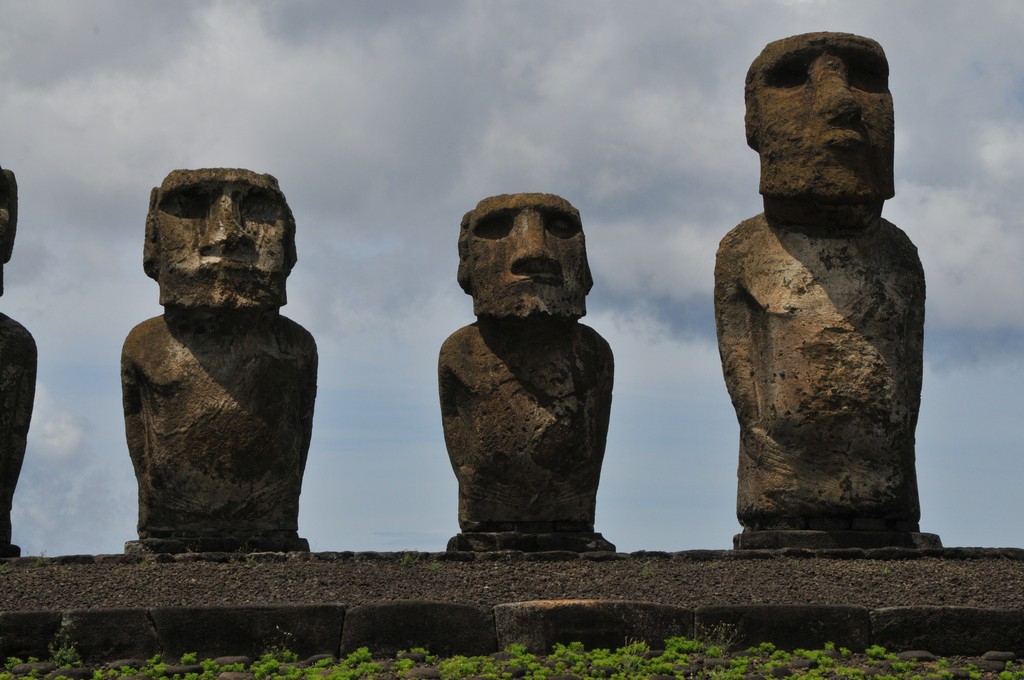
It is so interesting how the sun reflects differently on each of the moais.
Ironically our guide is named after this famous Ahu. Tongariki
DSC_8022
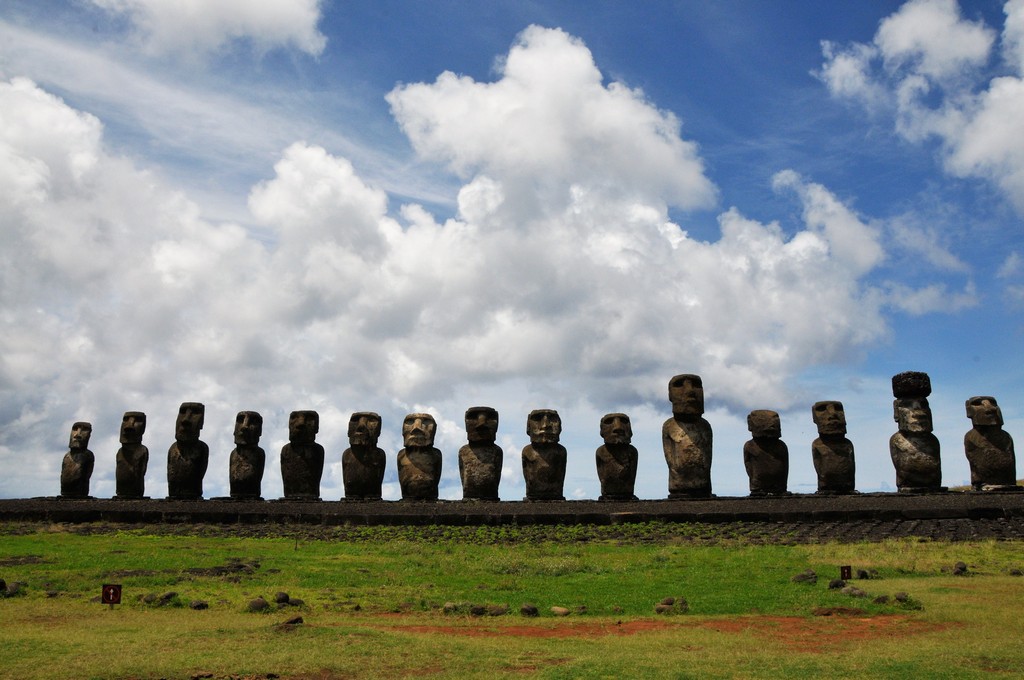
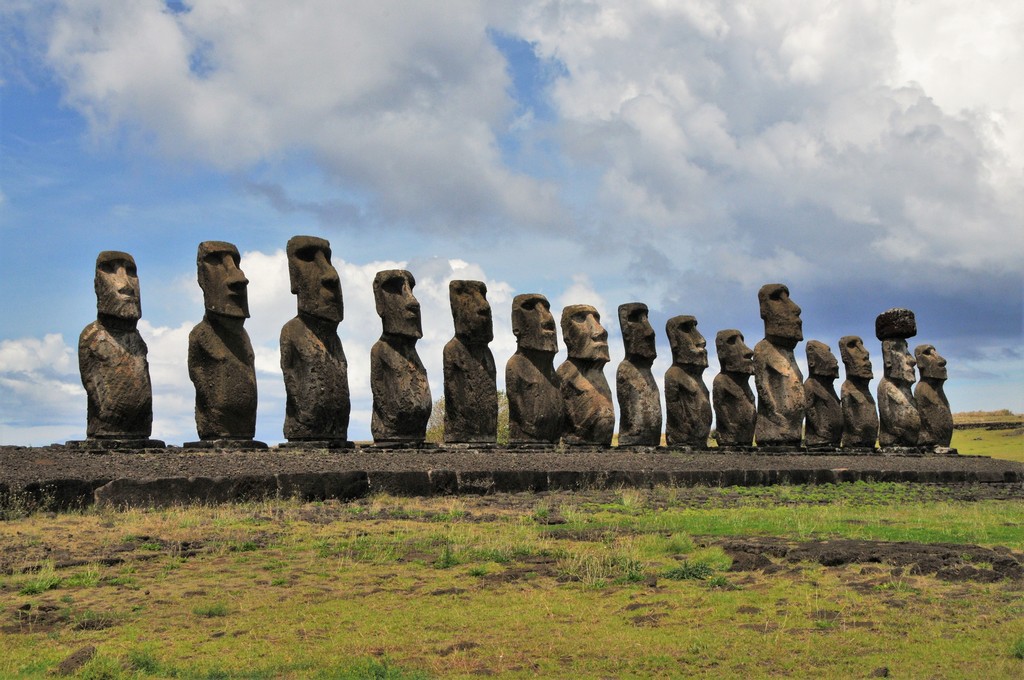
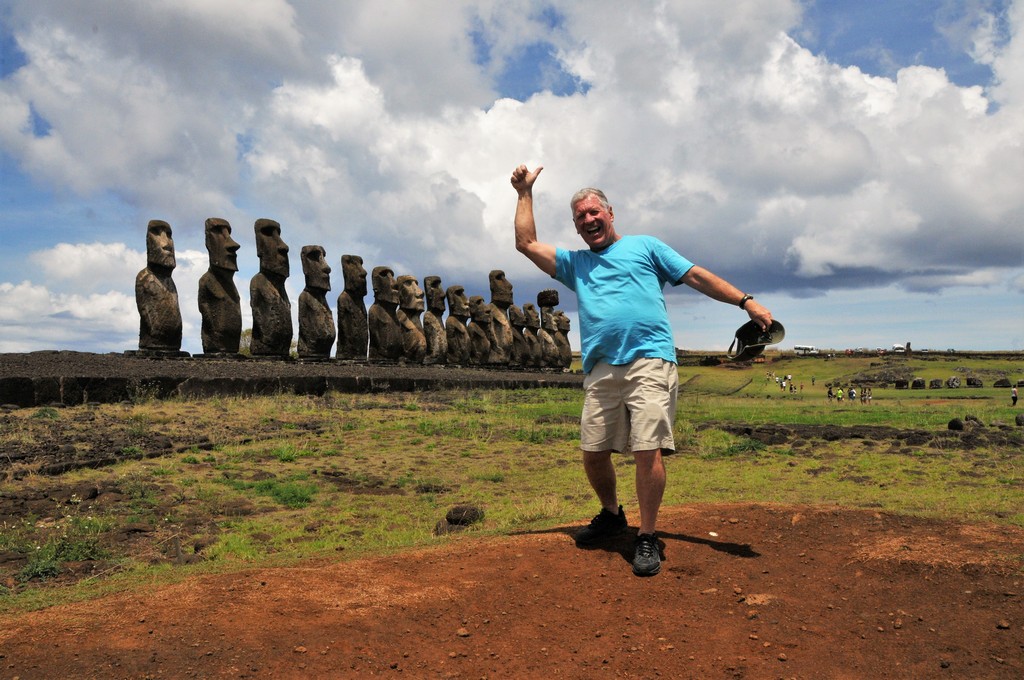
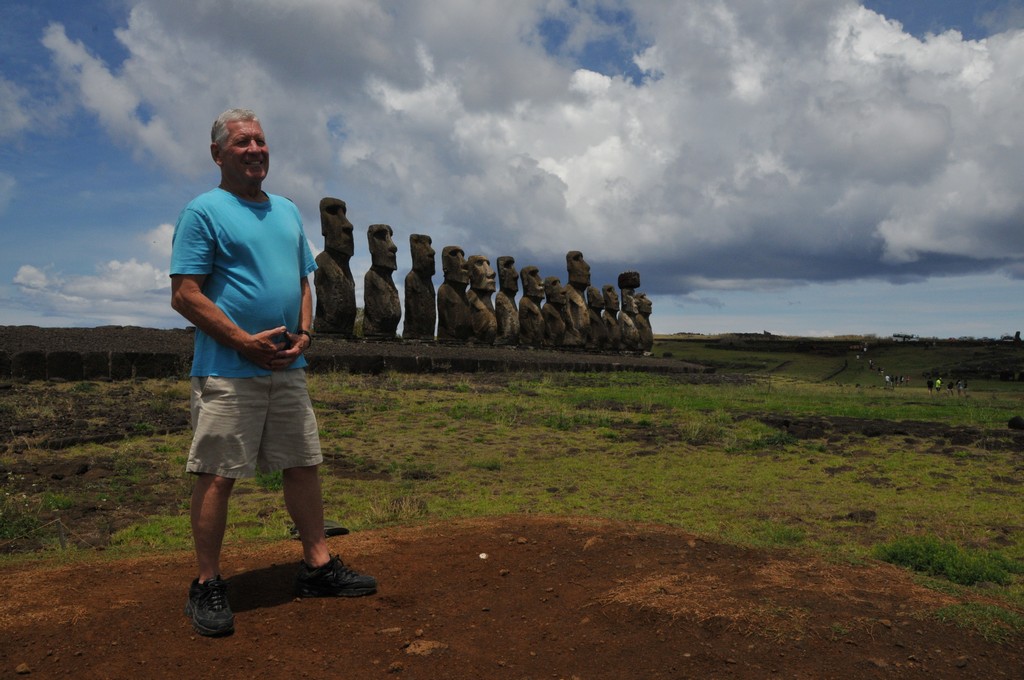
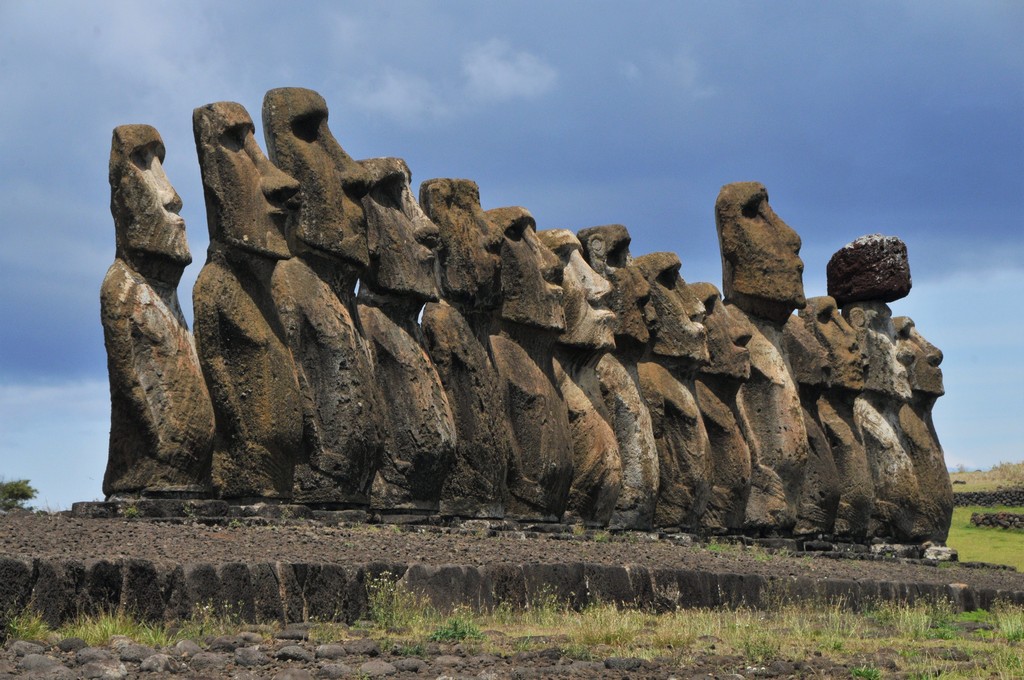
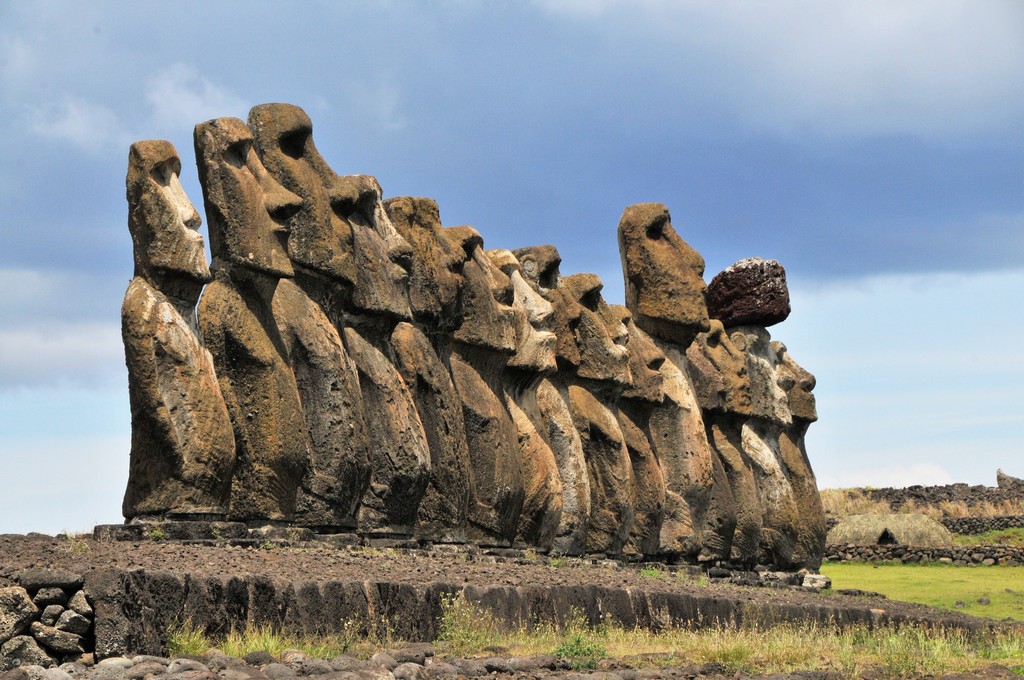
All fifteen standing moai at Ahu Tongariki.
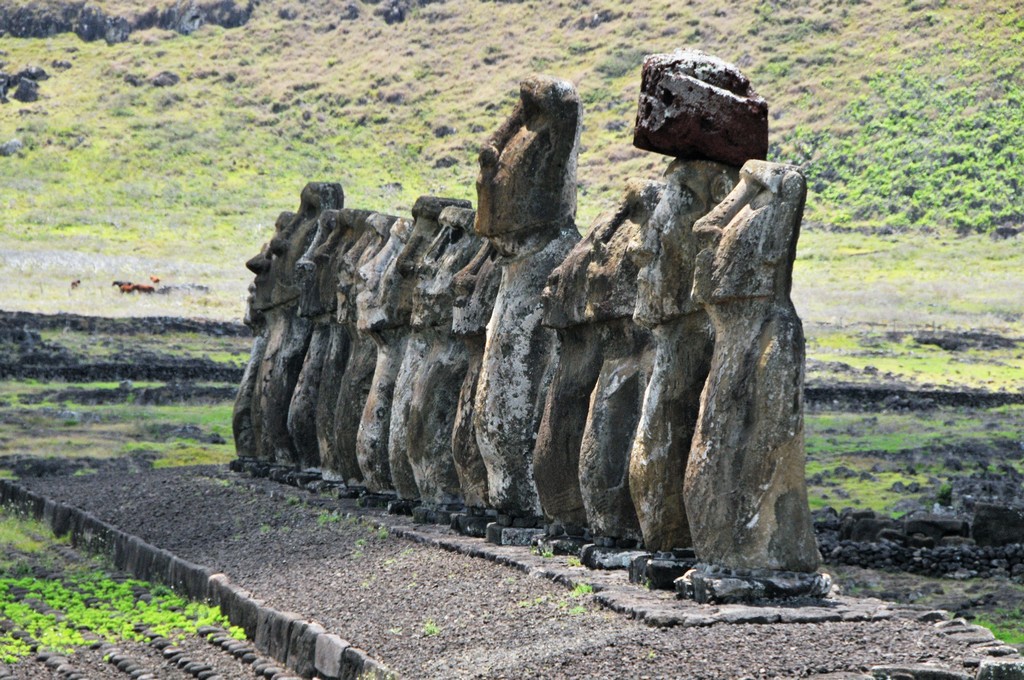
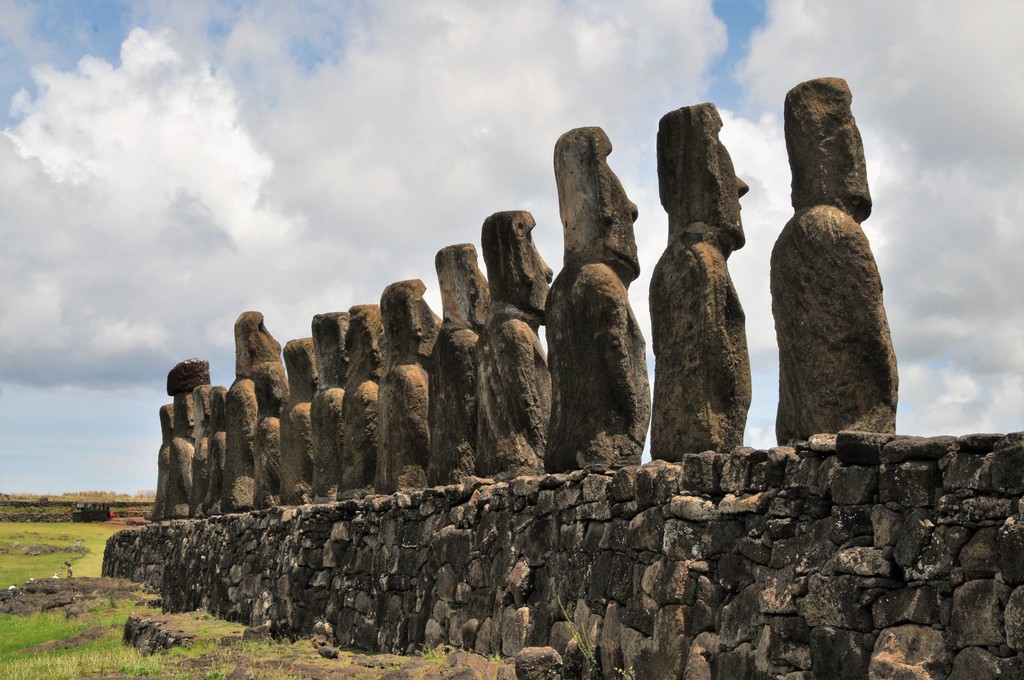
The word "ahu" has two meanings in Easter Island culture. First, an ahu is the flat mound or stone pedestal upon which the moai stand. The ahus are, on average, about four feet high. The word 'ahu' also signifies a sacred ceremonial site where several moai stand.
DSC_8029
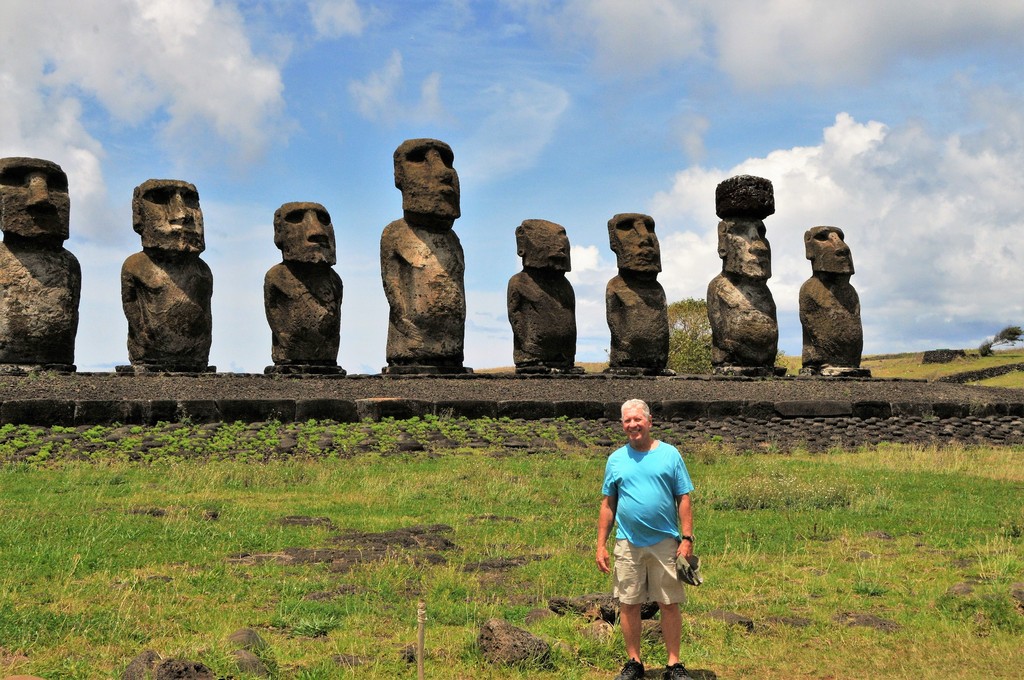
Ahu Tongariki is the largest ahu on Easter Island. Its moai were toppled during the island's civil wars and in the twentieth century the ahu was swept inland by a tsunami. It has since been restored and has fifteen moai including an 86 ton moai that was the heaviest ever erected on the island. Ahu Tongariki is one kilometer from Rano Raraku and Poike in the Hotu-iti area of Rapa Nui National Park. All the moai here face sunset during Summer Solstice.
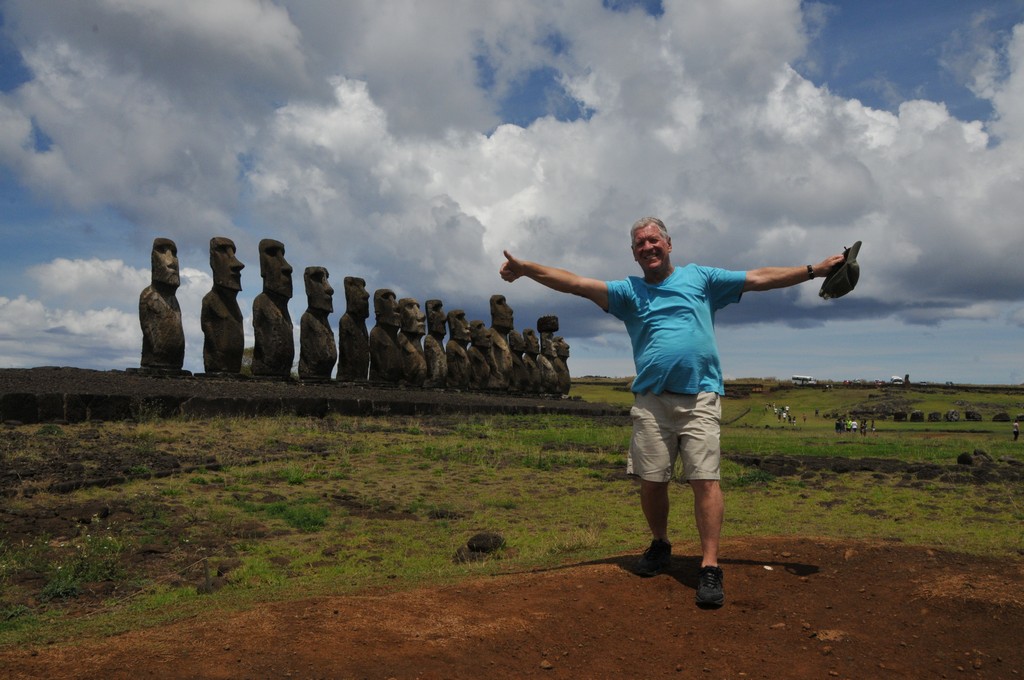
Visiting Easter Island and seeing first hand the Ahu Tongariki was one of the items on my bucket list to see and do.  Check!
The history of Tongariki mixes mythological stories, wars between clans and settlements of tribes that date back to the tenth century. In the large esplanade that extends in front of the ahu, there have been remains of boat-houses or hare paenga, old hearths or umu pae and hundreds of petroglyphs engraved in the volcanic rock that reflect the importance of this extraordinary place.
I am proud to stand among these warriors of Easter Island.
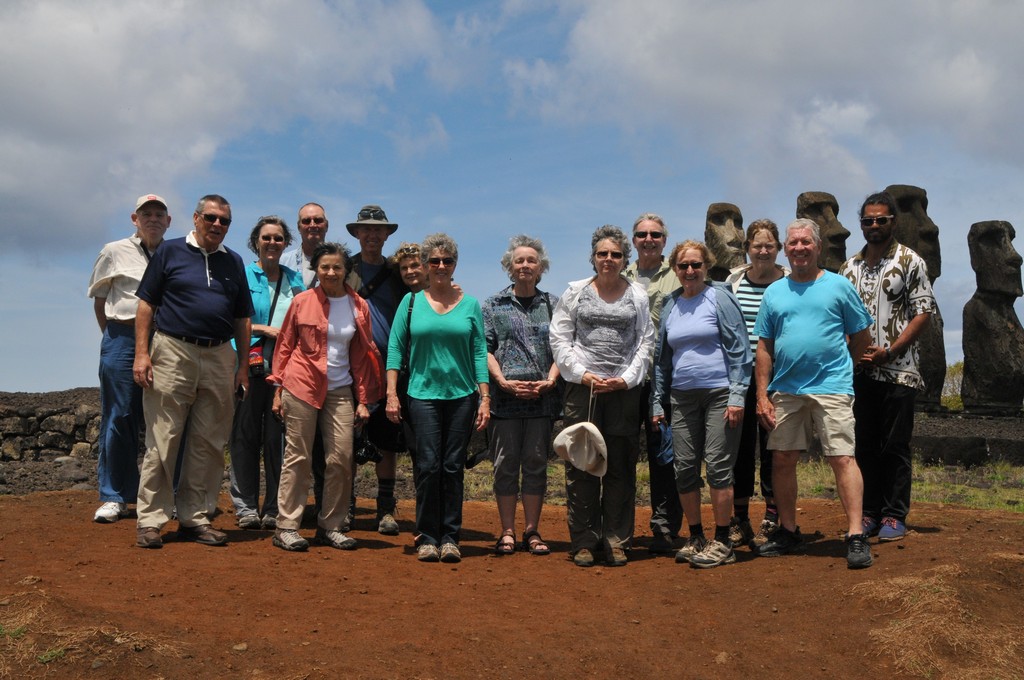
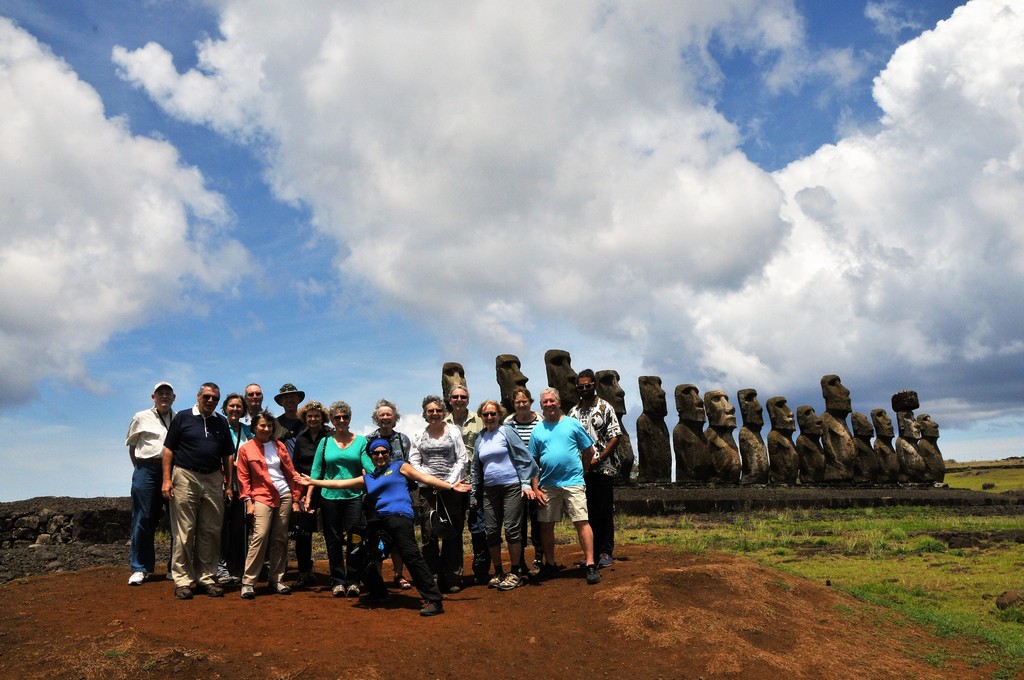
Our traveling group
We made it!!!!
The contemplation of the imposing Ahu Tongariki with the Pacific Ocean on its back is the fulfilled dream of most travelers who cross the planet to reach Easter Island. The image of Tongariki, together with that of the statues of the nearby Rano Raraku volcano, is the one that has most spread in books, magazines and documentaries of Easter Island. And, since its restoration, this colossal structure has become a symbol and the maximum exponent of the collective imagination about Rapa Nui.
It is believed that Tongariki was the sociopolitical and religious center of Hotu Iti, one of the two great clans that grouped the tribes of the eastern sector of the island. The first human occupation dates from the year 900 AD. and it is related to the first phase of a first ahu. The impressive final monument is the result of a successive series of modifications and extensions, carried out throughout history, which show the technical mastery achieved.
Ahu Tongariki is the largest ceremonial structure built on Easter Island and the most important megalithic monument in all of Polynesia. It represents the zenith of the sacred constructions called ahu-moai that were developed in Rapa Nui for more than 500 years
[Show slideshow]
◄ 1 ... 4 5 6 ... 30 ►
© 2026 Jim Schroder