Jim Schroder's Travel
  • Home
  • Trips
Select Page

Chile and Easter Island

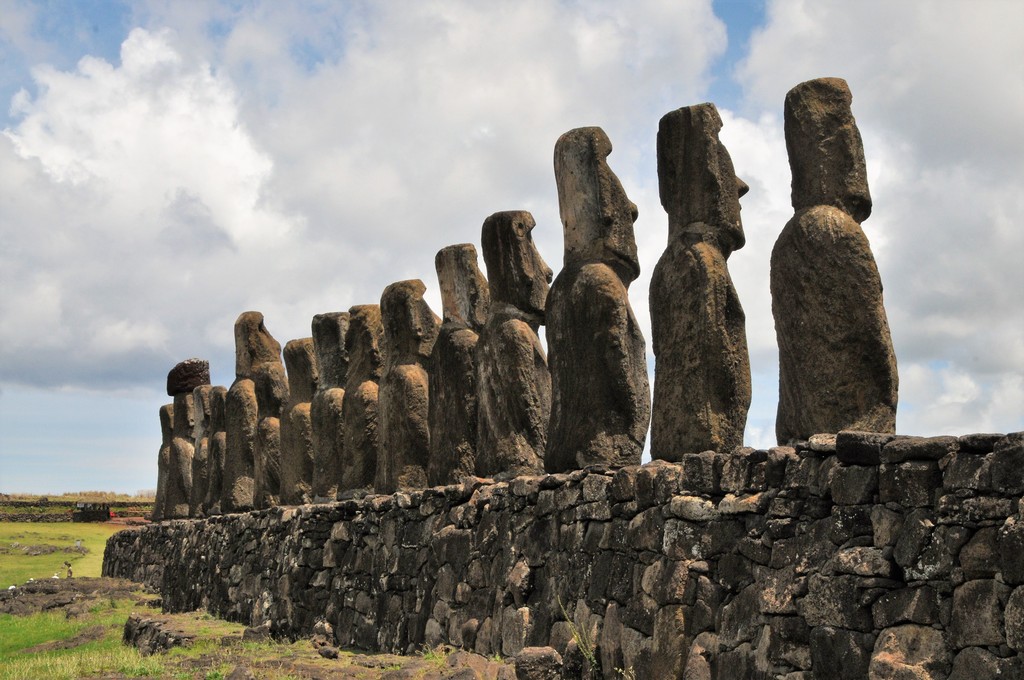
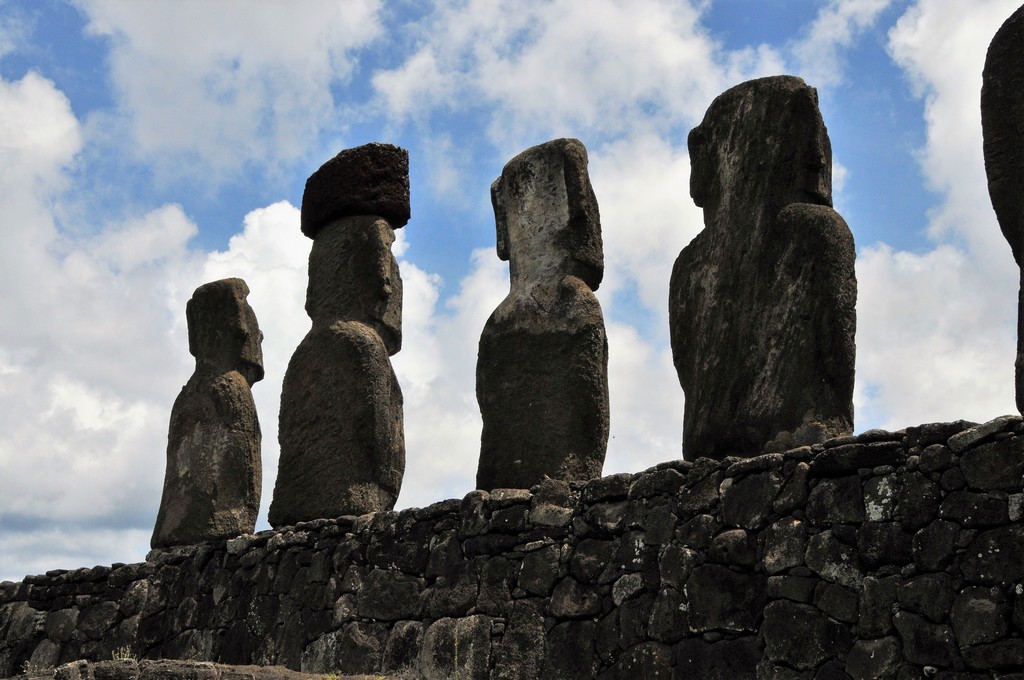
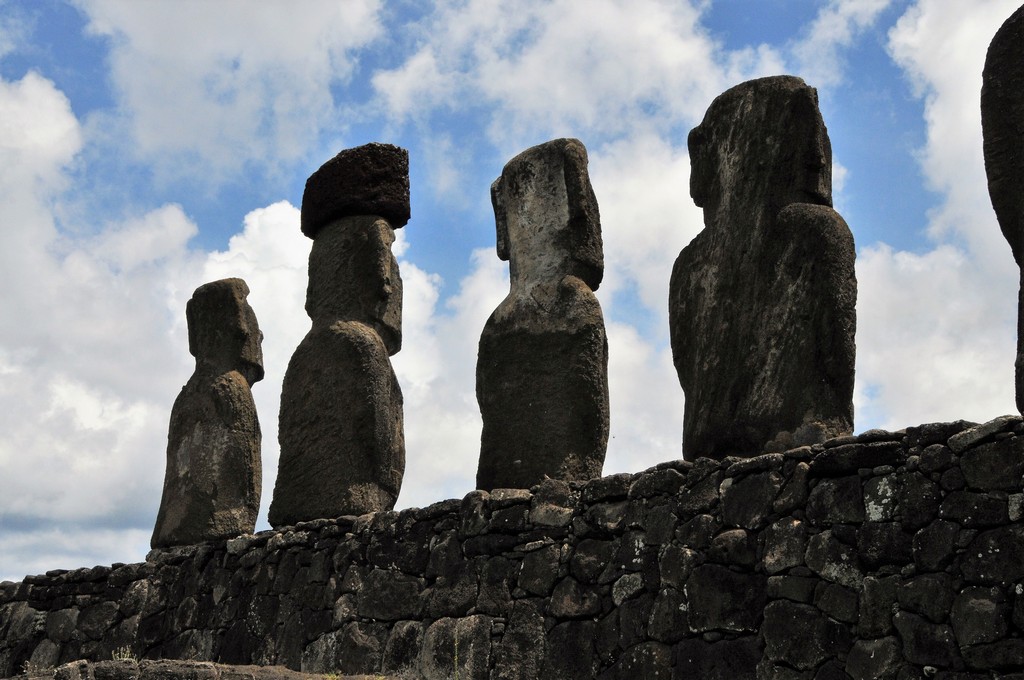
The central platform, whose axis is oriented to the rising sun of the summer solstice, measures almost 100 meters long and with its wings or original lateral extensions reached a total length of 200 meters. During the last final phase of construction of the ceremonial altar, Ahu Tongariki held 15 moai, which made it the platform with the largest number of images of the whole island.
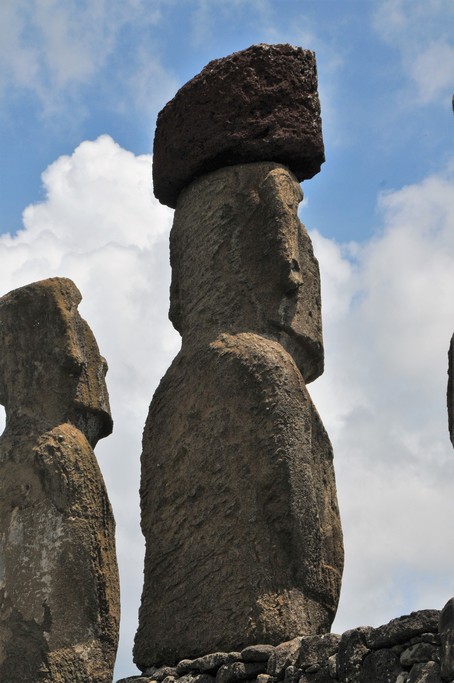
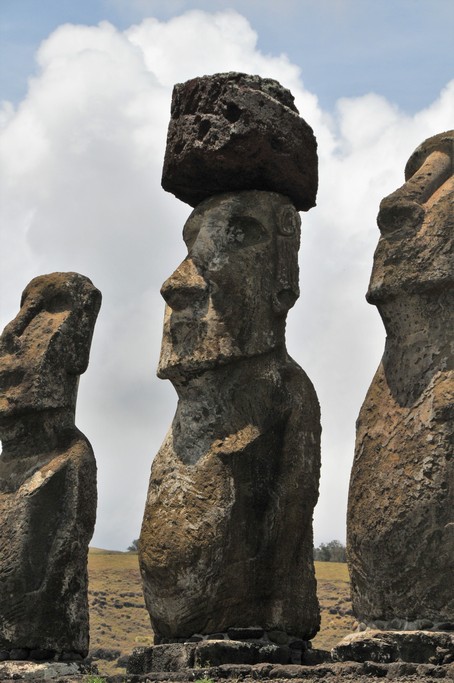
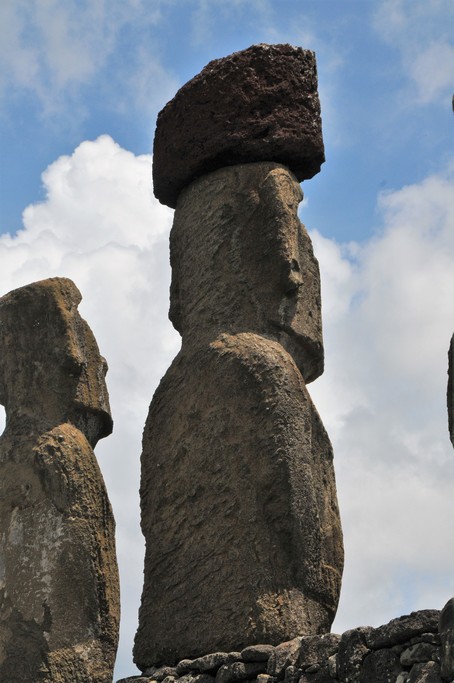
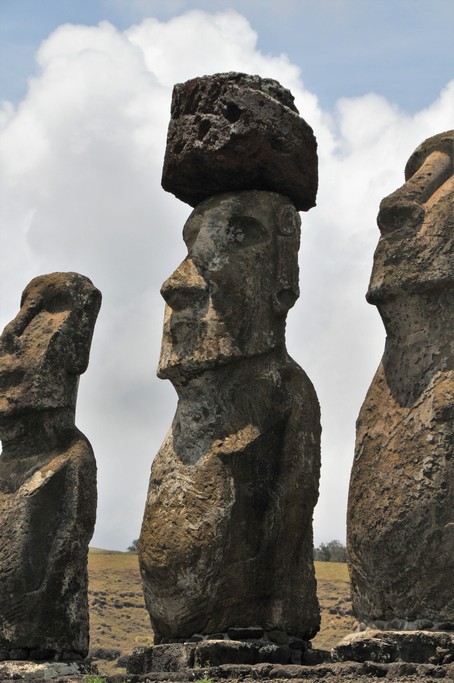
Moai with a pukao, type of hat, on the head of the statue.
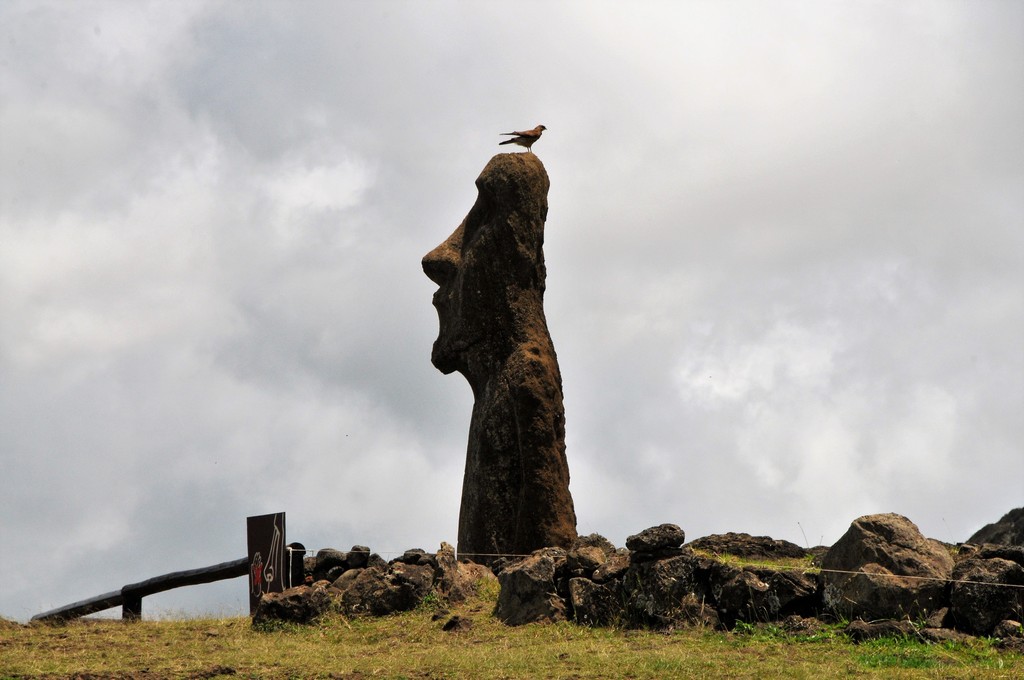
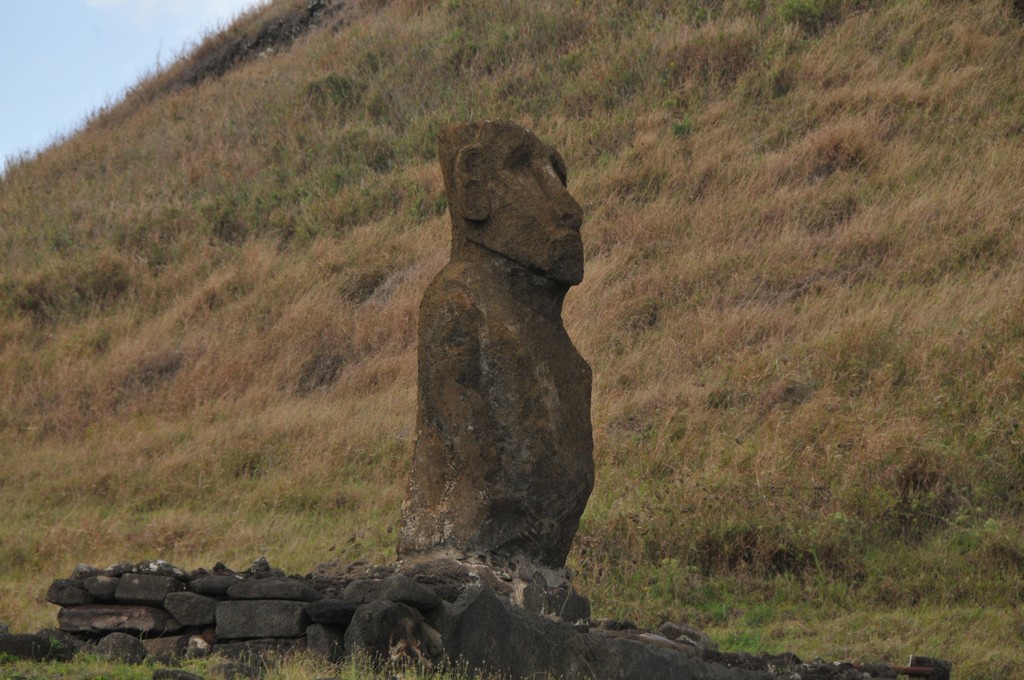
This moai is referred to as the "Traveling Moai". No idea why.
Ahu Tongariki. The second moai from the right has a pukao on its head.
But the night of May 22nd to 23rd of 1960 everything changed. On that fateful date one of the largest recorded earthquakes in history, with an intensity of 9.5 on the Richter scale, took place. It destroyed most of the central and southern regions of Chile causing numerous victims, since its epicenter was located in the Chilean city of Valdivia located 3,700 km east of the island
But the disaster was even greater because the earthquake produced a wave that moved across the Pacific to reach the coasts of Oceania and Asia, causing special destruction on the islands of Polynesia. Almost 6 hours after the earthquake, the tsunami reaches Easter Island on its eastern side, hitting Tongariki directly
When the water receded, it had completely destroyed most of the monument that now presented a Dantesque scene. The whole area was covered with boulders from the coast, stones from the ahu and remains of statues, mixed with human bones and skulls from the tombs that had been under the platform, remains of dead sheep and large amounts of dried seaweed and rotten marine animals.
Pukao are the hat-like structures or topknots formerly placed on top of some moai statues on Easter Island. They were all carved from a very light-red volcanic scoria, which was quarried from a single source at Puna Pau.
DSC_8064
DSC_8065
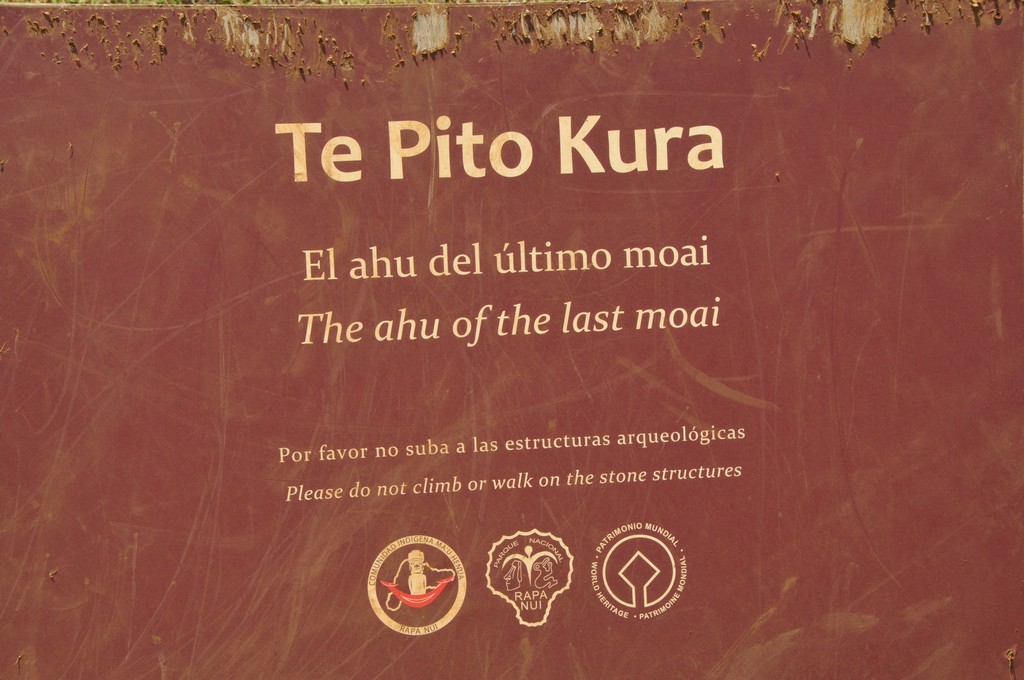
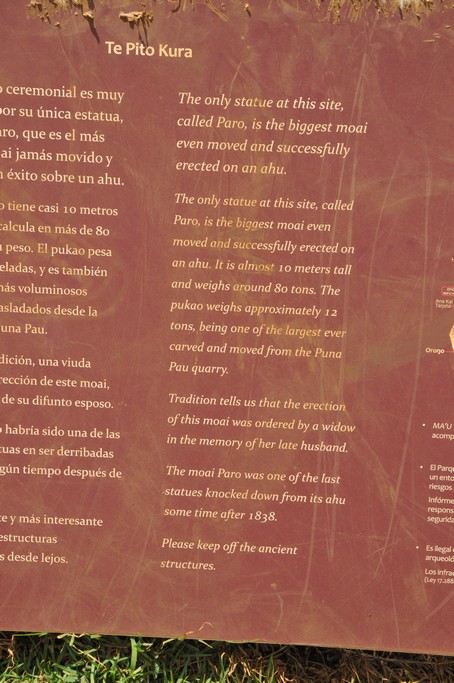
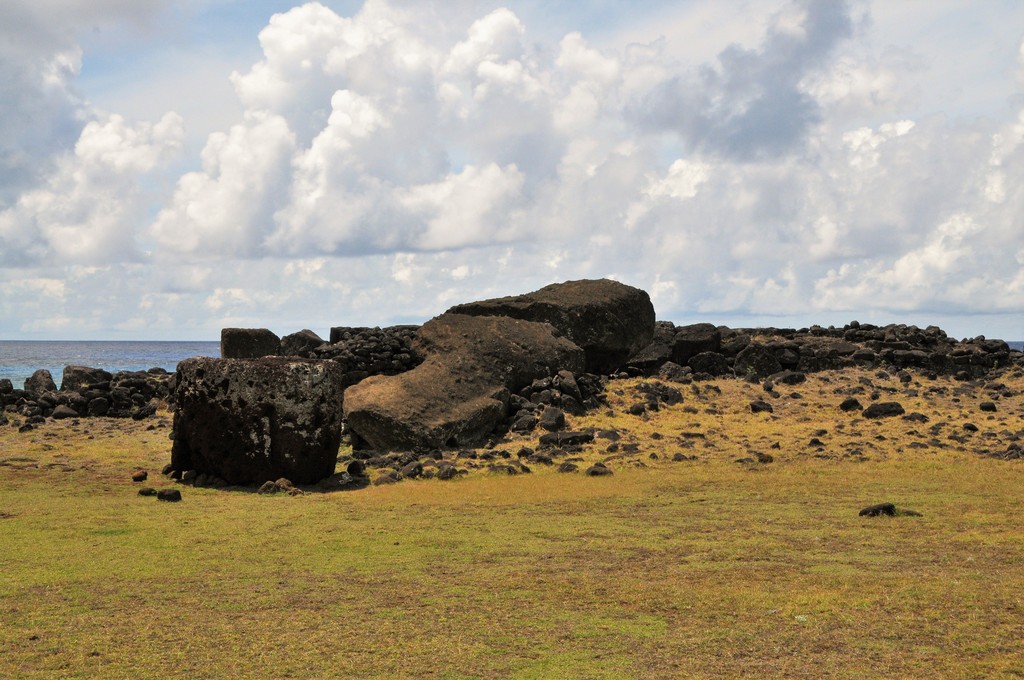
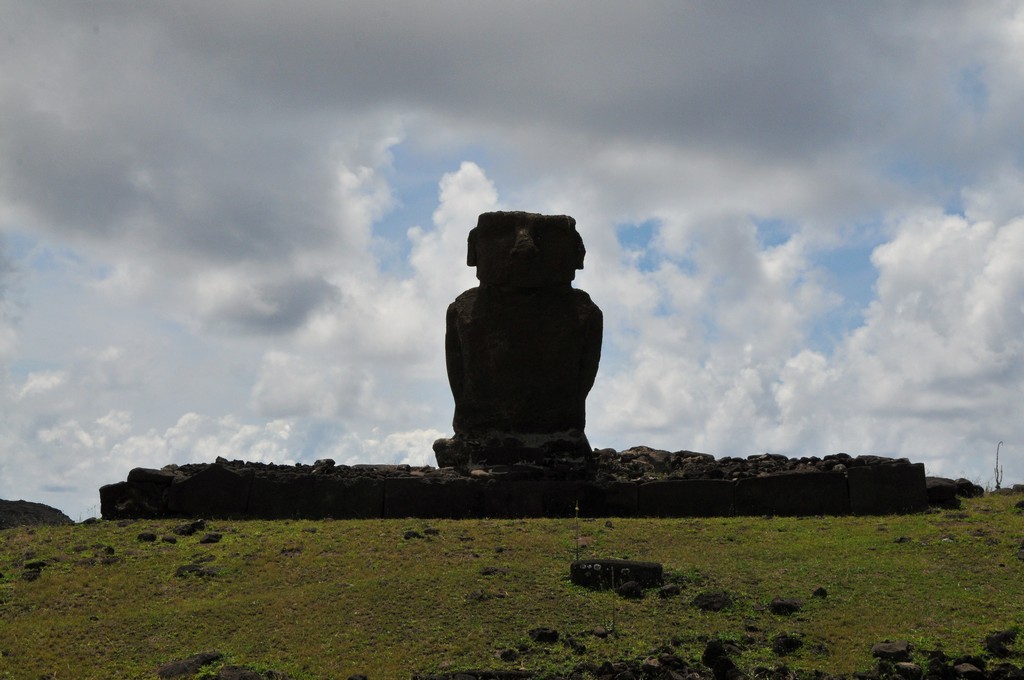
In this ceremonial center is the Ahu or Paro, whose only moai named Paro, remains in the same position it was when it was demolished almost two centuries ago.  The Paro Moai represents a milestone from the period when the statues were built, as it is the largest moai statue transported from the Rano Raraku volcano quarry and erected successfully on an ahu or platform.
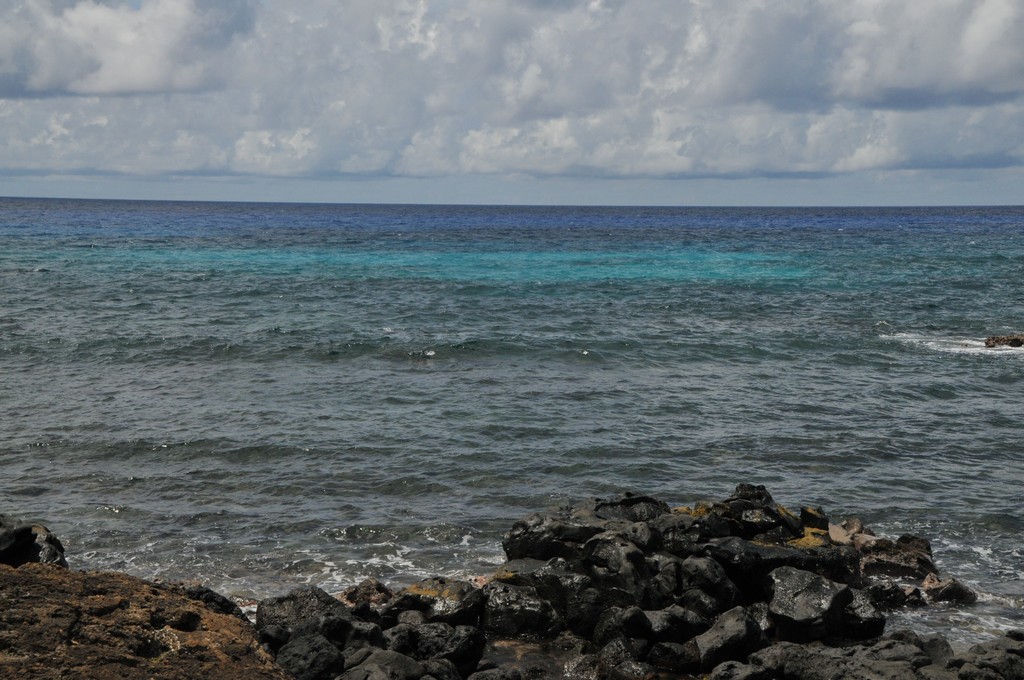
Ocean in front of Ti Pito Kura
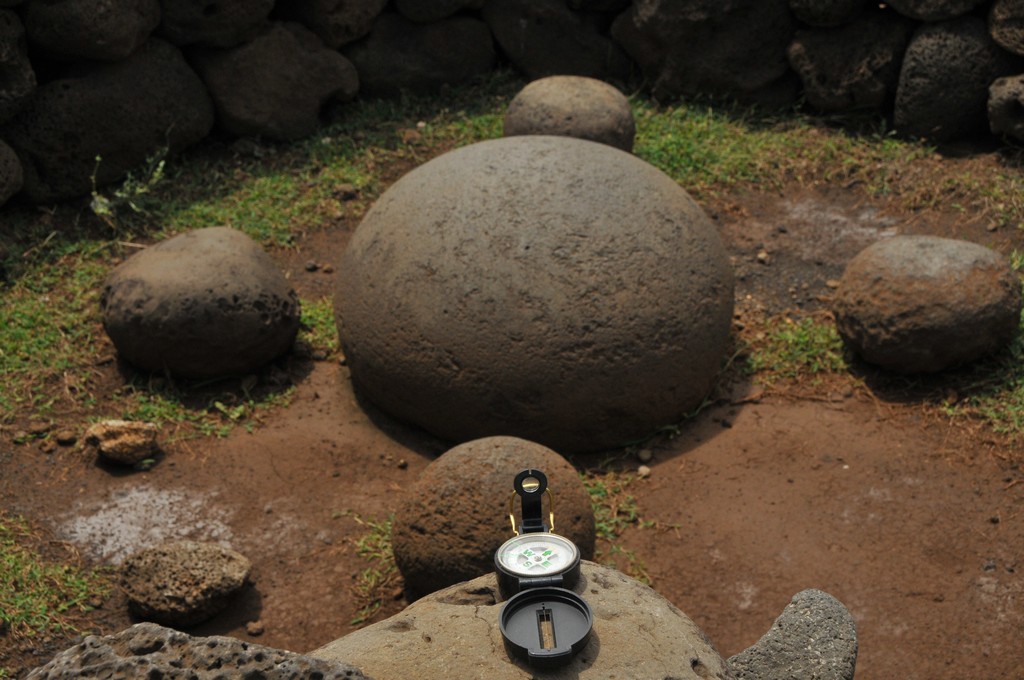
The Magnetic Stone.  Next to the ahu, a few meters away, is a large ovoid shaped stone 80 centimeters in diameter. The expression Te Pito Kura means “navel of light” and some people relate the name of the place with the special qualities of this rock. It is said that this rock, almost spherical and smooth, concentrates a magnetic and supernatural energy called mana. Because of its high iron content, this stone warms up more than others and causes the compass to behave strangely.Many visitors put their hands on it to capture their energy or also, according to the belief of some, increase female fertility.
DSC_8070
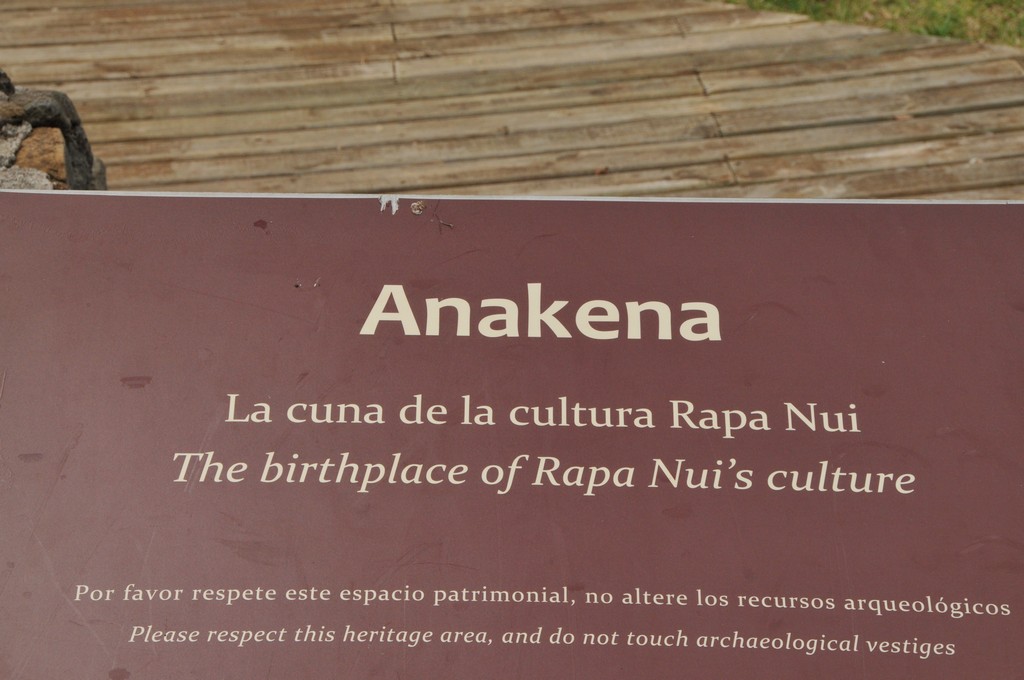
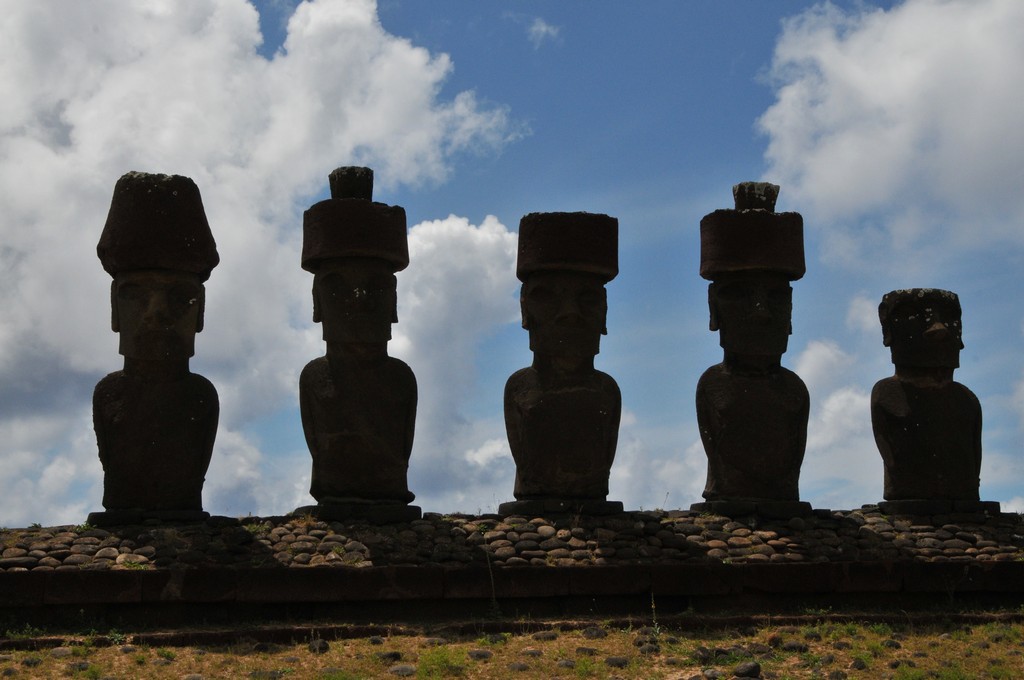
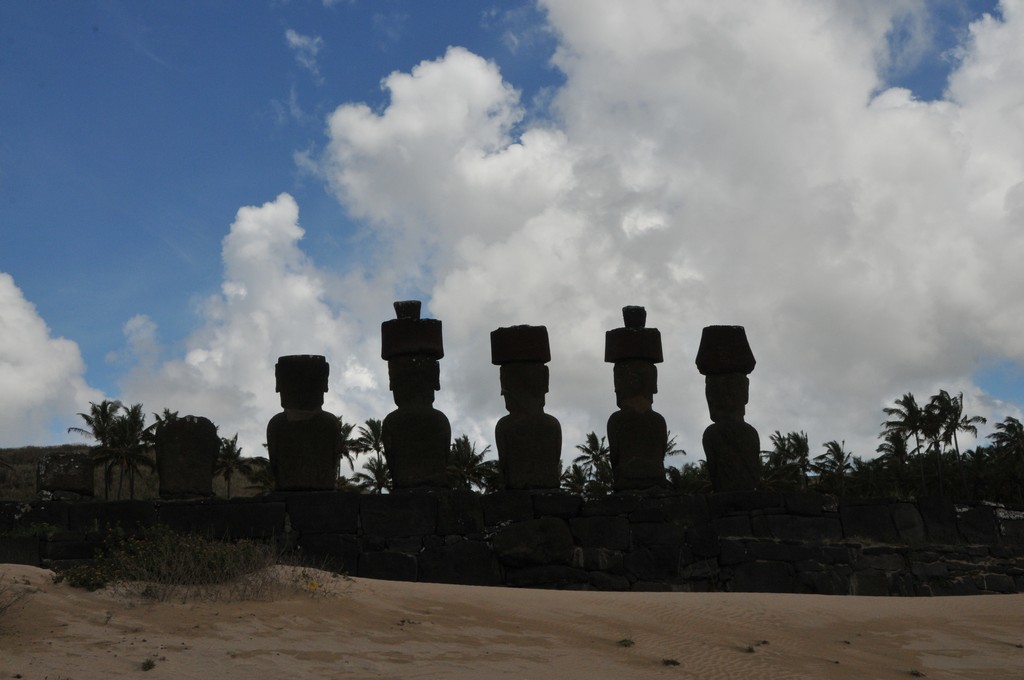
The Ahu Nau Nau is located about 150 meters inland from the quiet shore of Anakena Beach. From there it dominates the perspective of this magical place that is considered the birthplace of the history and culture of Easter Island. It was here that, according to oral tradition, the high-ranking chiefs of the powerful Miru clan established their residence, and where the first king of the island, the Ariki Hotu Matu’a, landed with his people and established the first settlement that originated to the Rapa Nui culture.
However, evidence has been found that the first settlement in Anakena may be earlier in about 200 or 300 years to the first construction of the ahu. These tests would prove that Anakena would be one of the oldest inhabited places on the island, thus linking history and legend.
Ahu Nau Nau is the most elaborate and best-preserved platform of the three that were built in Anakena. When the statues were knocked down during the clashes between the various clans of the island, they were left buried in the sand on the beach, which allowed them to be more protected from erosion than the others
The Ahu Nau Nau is historically known as Ahu Ature Hoa, and according to tradition, Vakai, the wife of Hotu Matu’a, would be buried here.
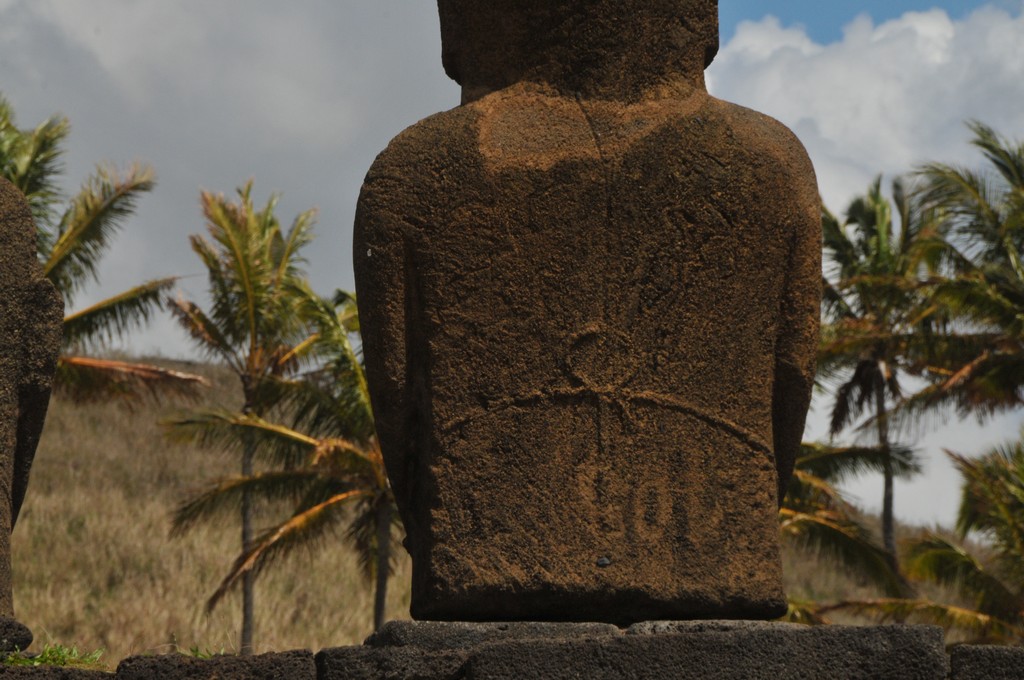
Ahu Nua Nua stands out for the fineness of his features and details engraved on his back. It is one of the island’s best-preserved platforms because they remained hidden under the sand when they were felled, which protected them from weather conditions.
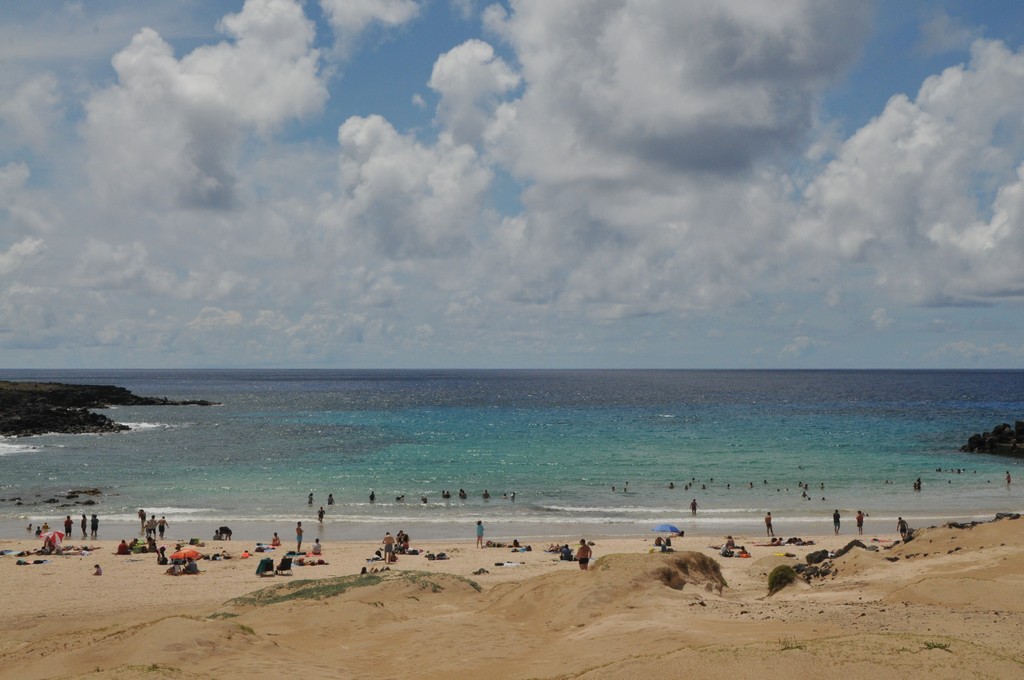
Anakena, which is the main beach on Easter Island, represents the typical picture that we all have when we think of a paradisiacal beach. Its white and fine coral sand, crystalline turquoise sea, calm waves and coconut palms (brought from Tahiti several decades ago) make it an ideal place for rest and leisure. We stopped here and I went swimming for about 45 minutes.
[Show slideshow]
◄ 1 ... 5 6 7 ... 30 ►
© 2026 Jim Schroder