Jim Schroder's Travel
  • Home
  • Trips
Select Page

Chile and Easter Island

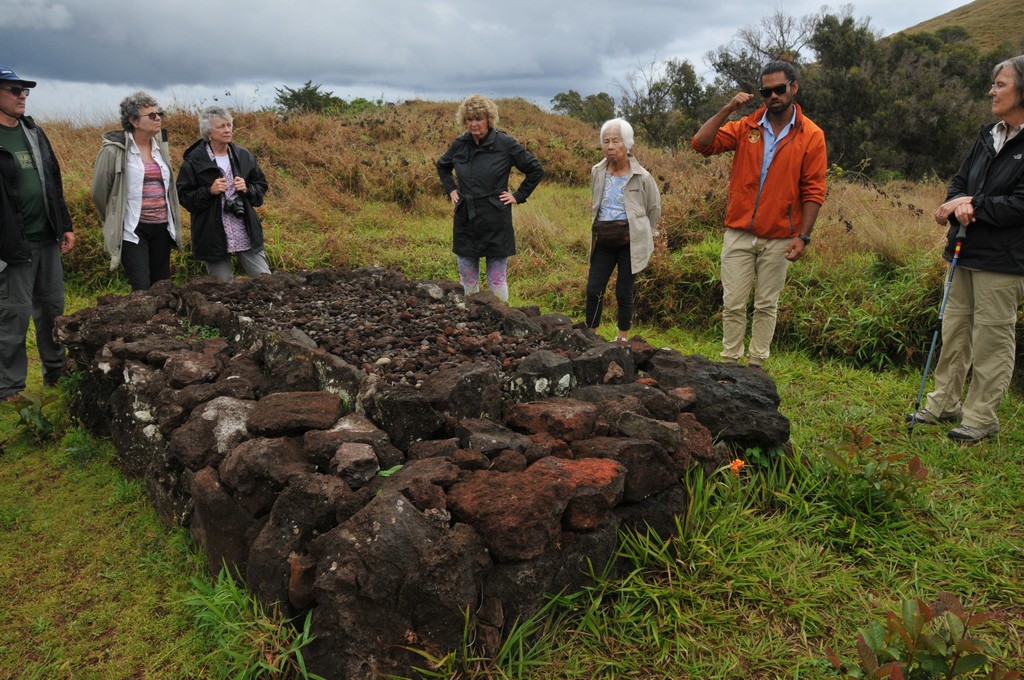
A sacred place from hundreds of years ago located on private property.
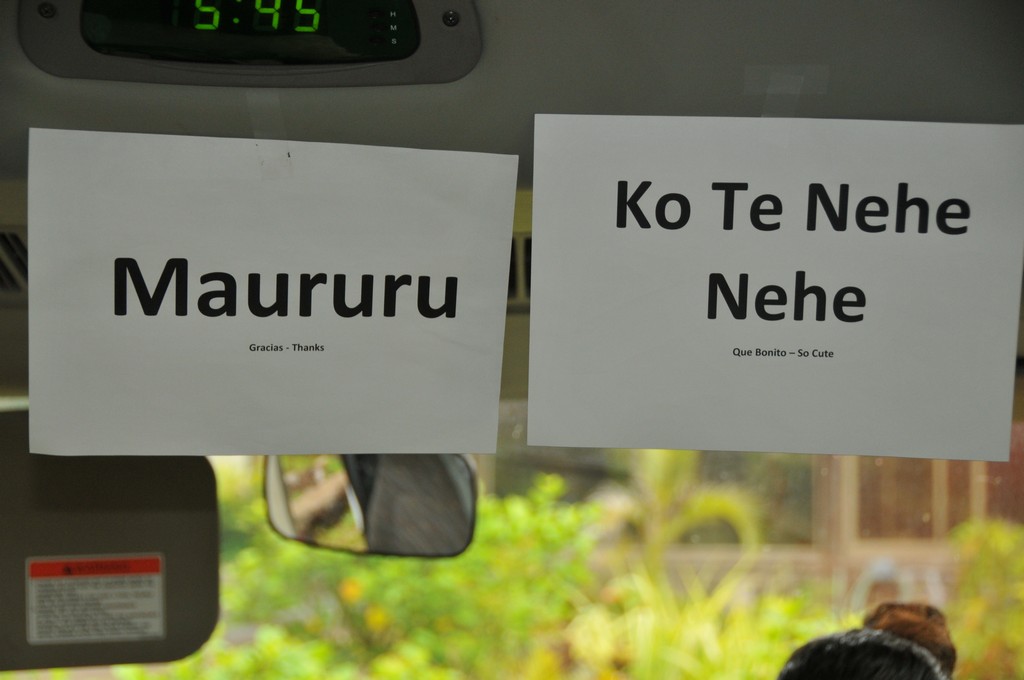
Each day we learned several new words of the language of Easter Island. We were encouraged to try and use the words as we traveled the island.
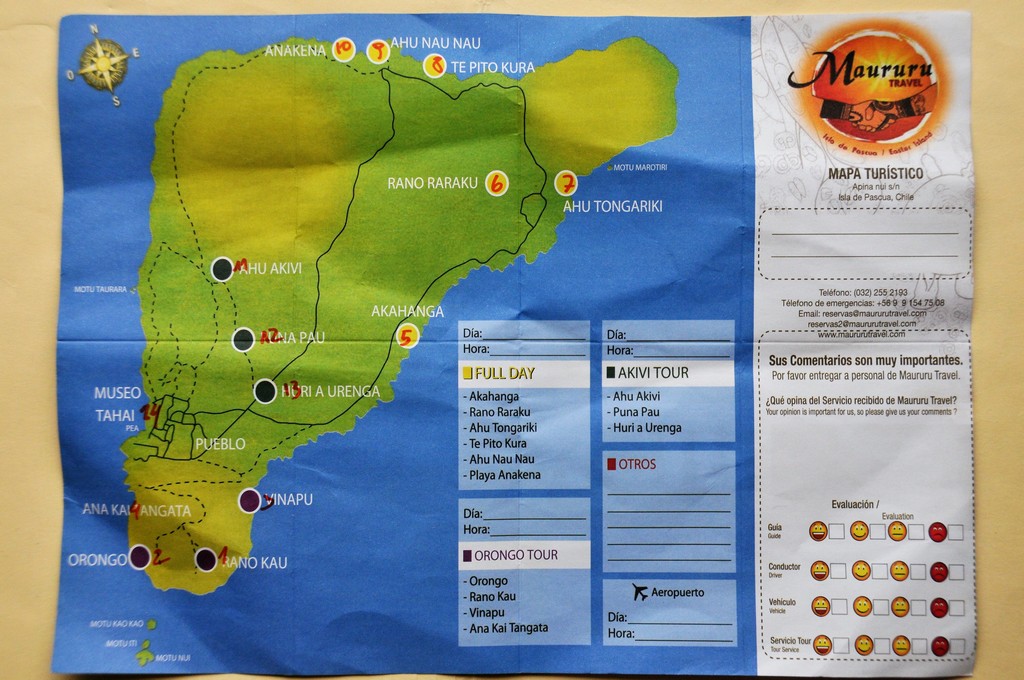
This is a map of Easter Island.  The numbers in red are all the places that we visited while on the island.
We have now returned to Santiago, Chile after a great 5 days visiting Easter Island.
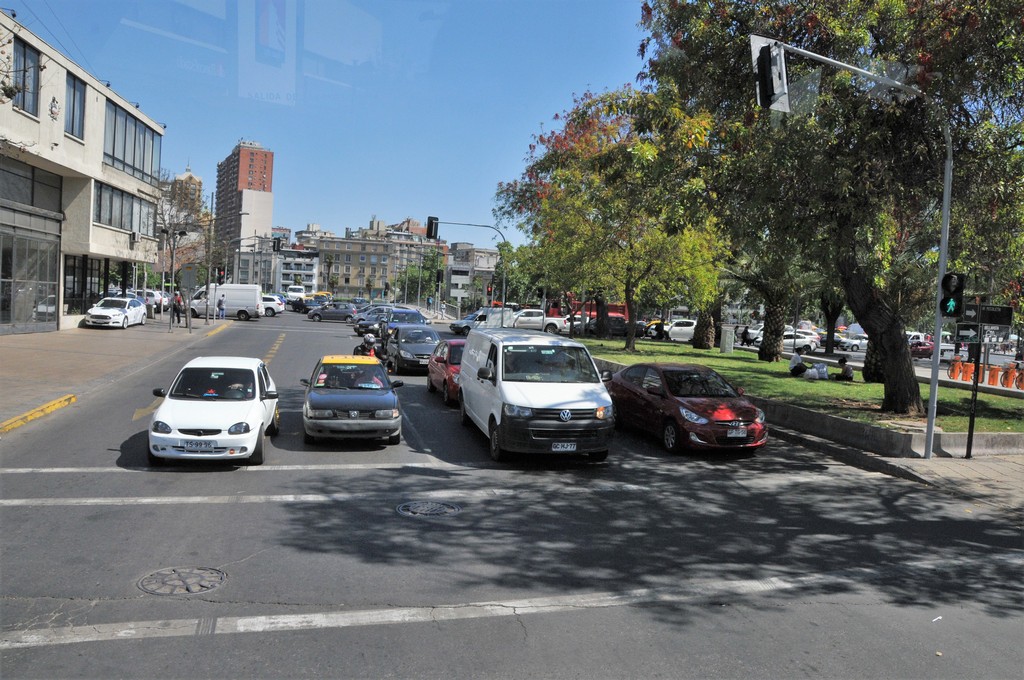
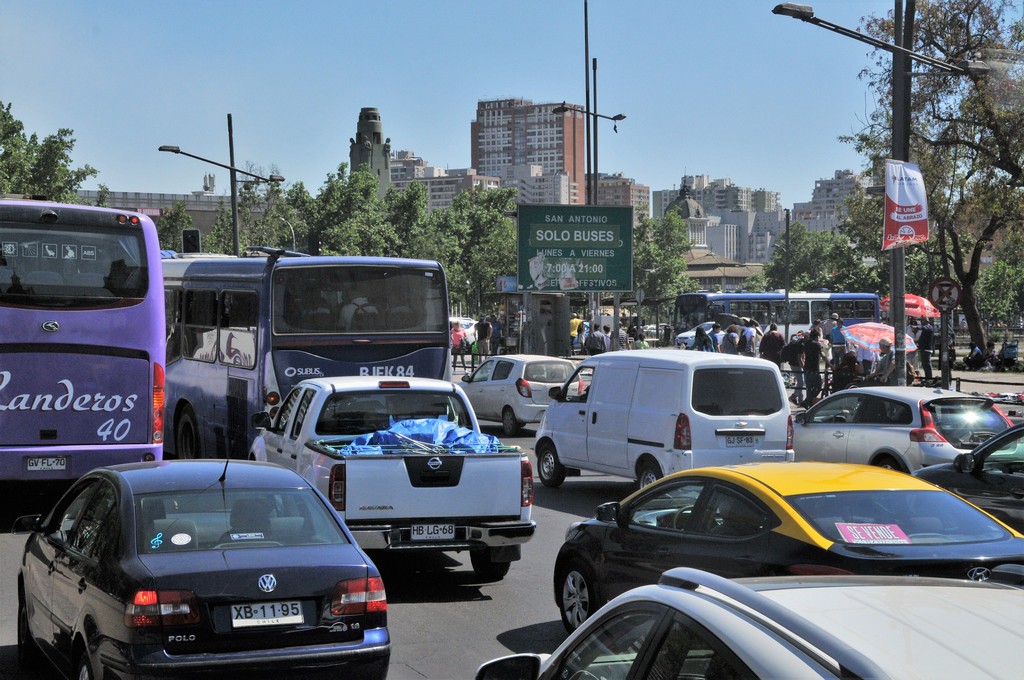
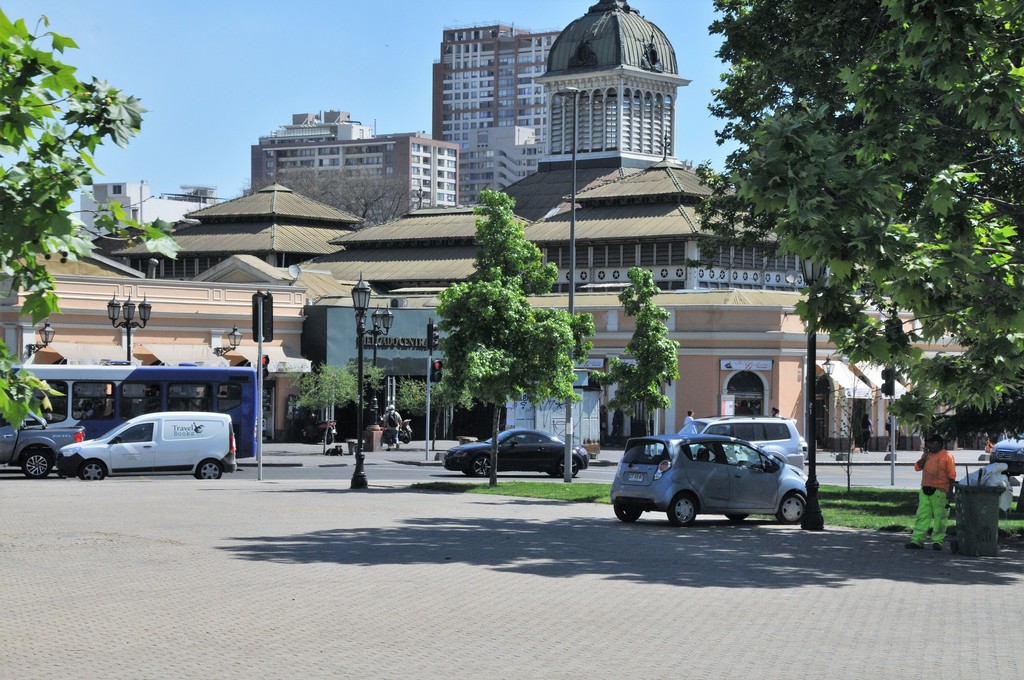
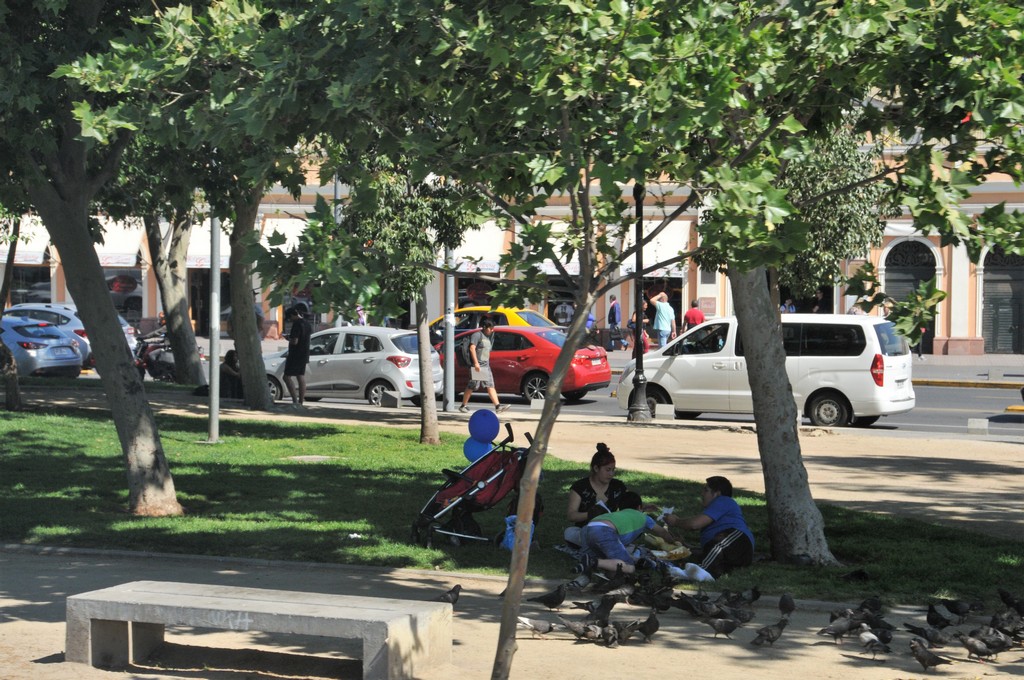
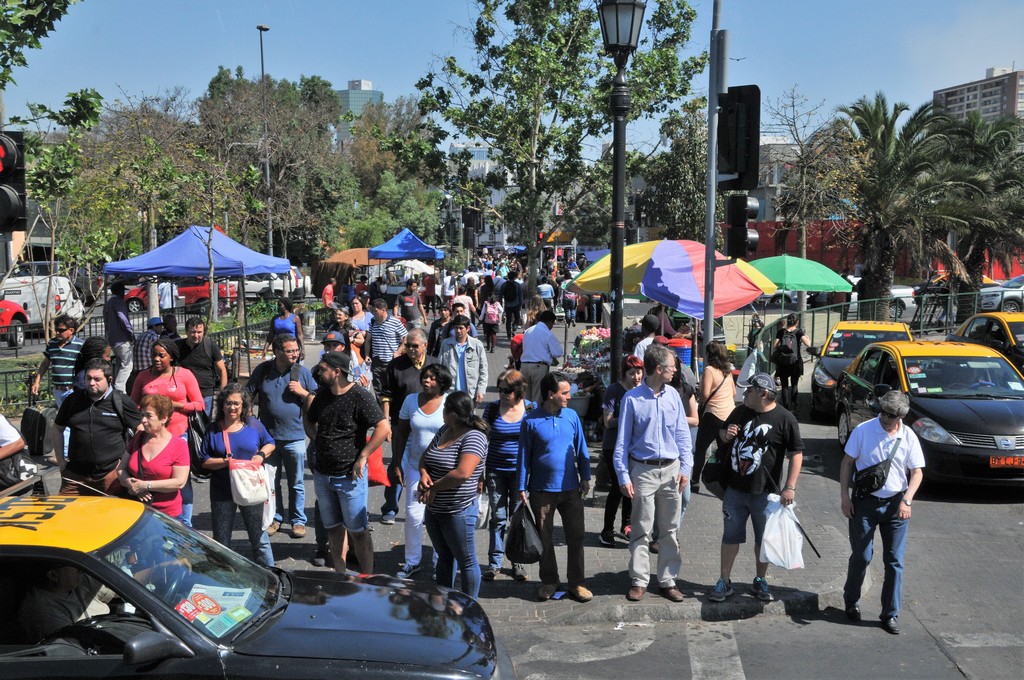
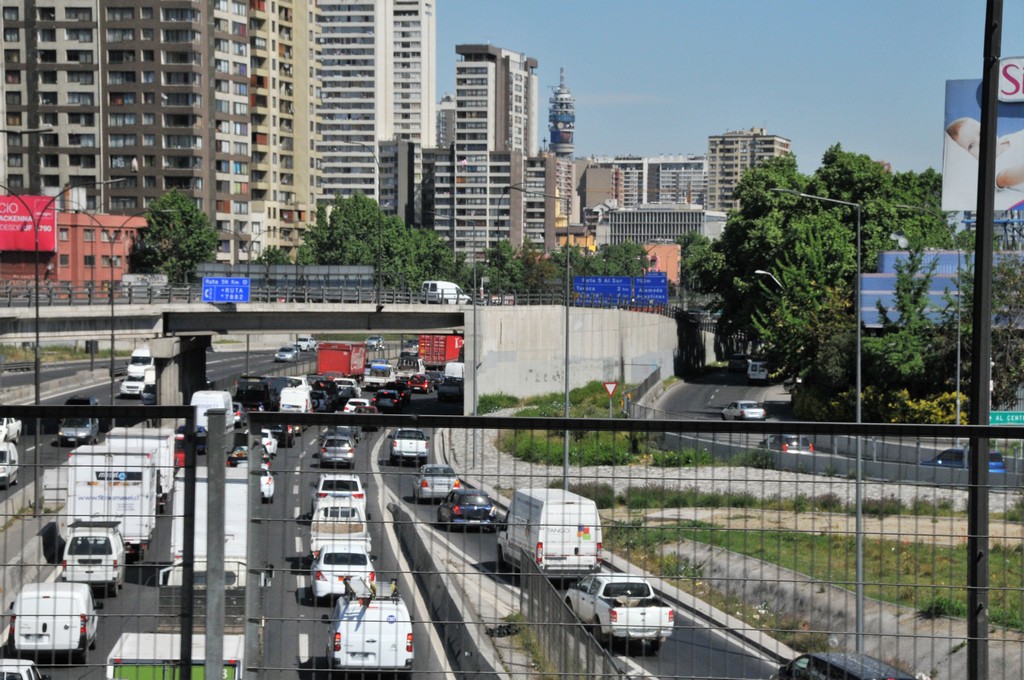
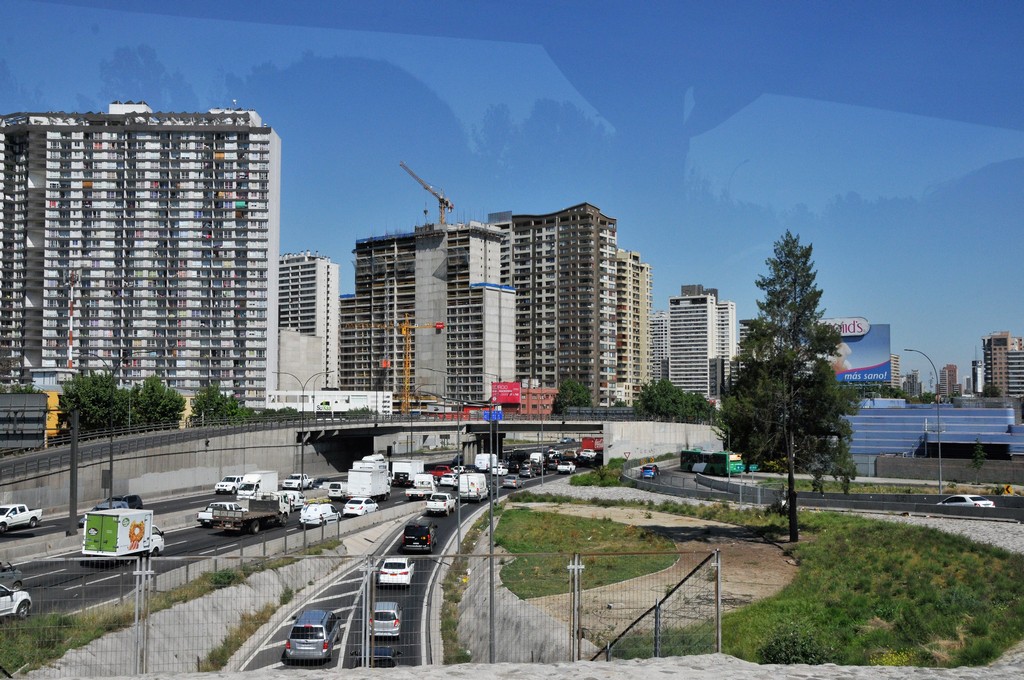
Traffic is very congested within Santiago.
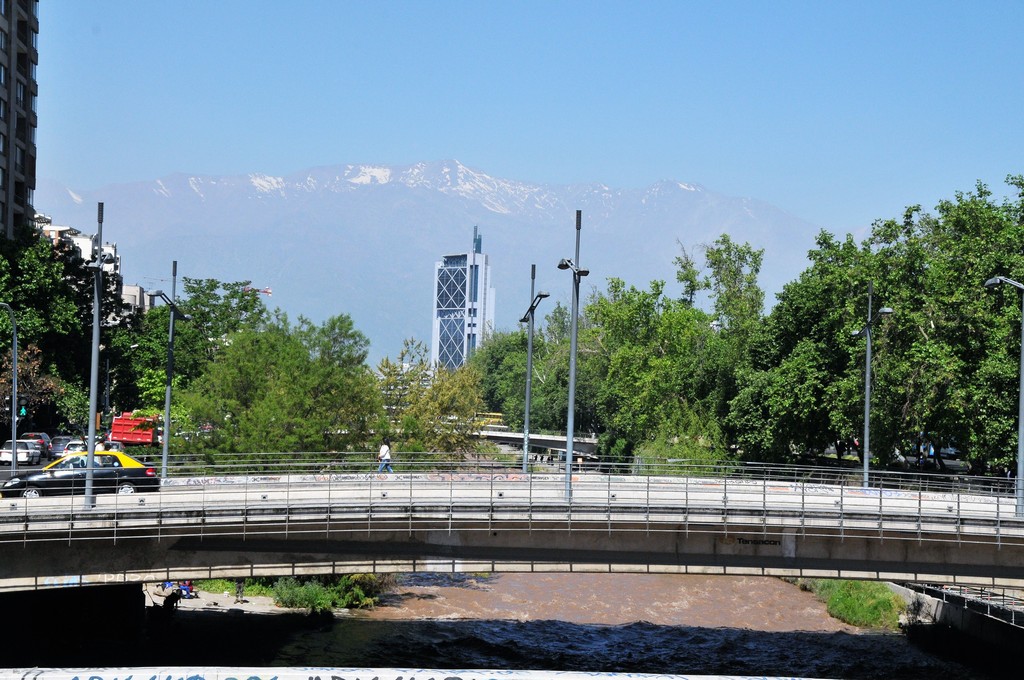
The mountain range immediately bordering the city on the east is known as the Sierra de Ramón, which was formed due to tectonic activity of the San Ramón Fault. This range reaches 9,888 feet at Cerro de Ramón. The Sierra de Ramón represents the foothills of the Andes. 12 mi further east is the even larger foothills of the Andes, which has mountains and volcanoes that exceed 19,690 ft and on which some glaciers are present.
Founded in 1541 by the Spanish conquistador Pedro de Valdivia, Santiago has been the capital city of Chile since colonial times. The city has a downtown core of 19th-century neoclassical architecture and winding side-streets, dotted by art deco, neo-gothic, and other styles.
Santiago's city scape is shaped by several stand-alone hills and the fast-flowing Mapocho River, lined by parks such as Parque Forestal. The Andes Mountains can be seen from most points in the city. These mountains contribute to a considerable smog problem, particularly during winter. The city outskirts are surrounded by vineyards and Santiago is within a few hours of both the mountains and the Pacific Ocean.  Santiago is the cultural, political and financial center of Chile and is home to the regional headquarters of many multinational corporations. The Chilean executive and judiciary are located in Santiago, but Congress meets mostly in nearby Valparaiso.
With the start of the transition to democracy in 1990, the city of Santiago had surpassed the three million inhabitants, with the majority living in the south: La Florida was the most populous area, followed by Puente Alto and Maipú. The real estate development in these municipalities and others largely came from the construction of housing projects for middle-class families. Meanwhile, high-income families moved into the foothills increasing the population and giving rise to new communes.  The Providencia Avenue area became an important commercial hub in the eastern sector. Next the construction of high-rise buildings.
The city began to face a series of problems generated by disorganized growth. Air pollution reached critical levels during the winter months and a layer of smog settled over the city. The authorities adopted legislative measures to reduce industrial pollution and placed restrictions on vehicle use. The Metro was expanded considerably, current lines were extended and three new lines were built between 1997 and 2006 in the southeastern sector.
Entering the twenty-first century, rapid development persisted in Santiago. The Civic District was renewed with the creation of the Plaza de la Ciudadanía and construction of the Ciudad Parque Bicentenario to commemorate the bicentenary of the Republic. The development of tall buildings continues in the eastern sector, which culminated in the opening of the skyscrapers.
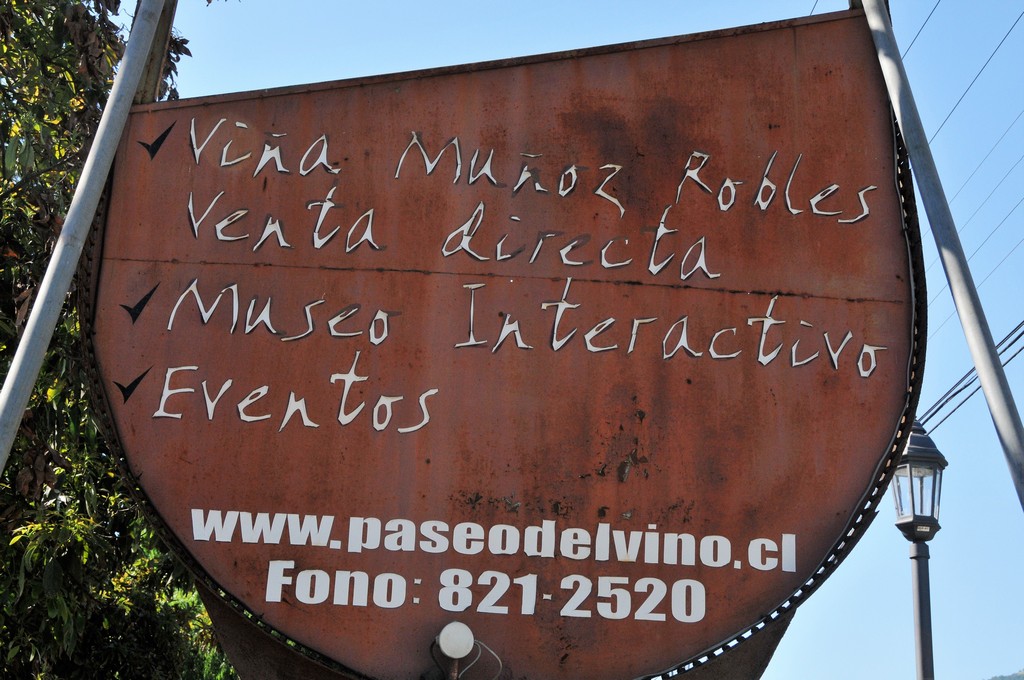
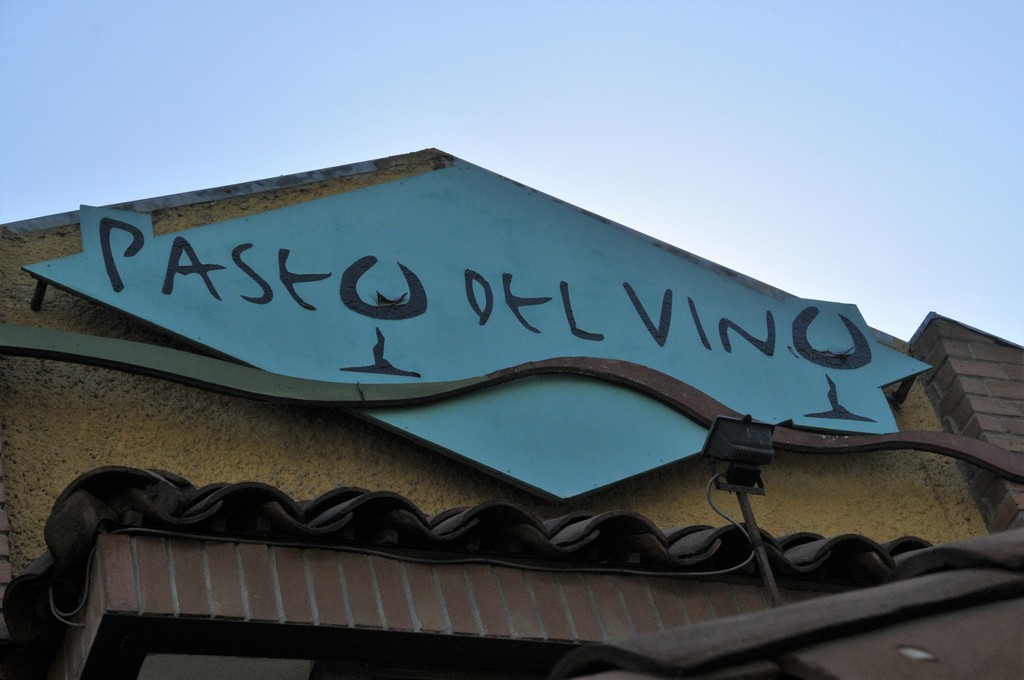
This afternoon we drove from Santiago, 1 hour,  to the wine country and to a very special Bodega, (Winery), Vino Munoz Robles,  (Munoz Robles Wines), Paseo del Vinos,  (Walk of Wines).
Paseo del Vino, the name of the wines were indeed very good.  The motto of the Paseo del Vino is to provide a meeting place where people gather to enjoy the magic world of wine.
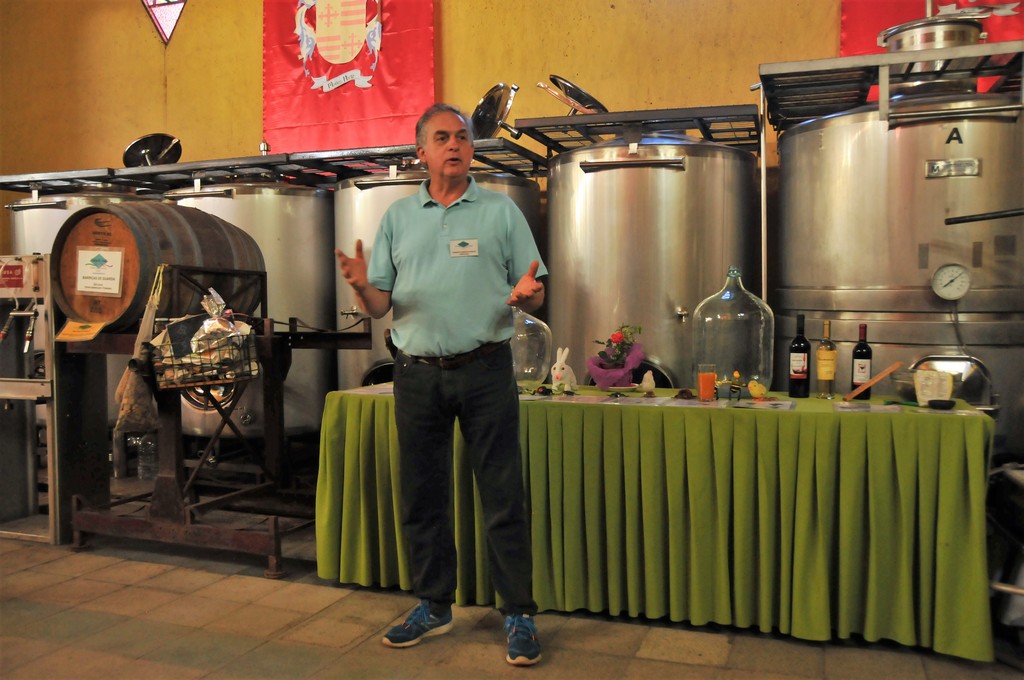
We meet Senior Roberto Munoz, the master winemaker and owner of the Bodega. Did we learn a lot about wine growing, the equipment necessary to make good wines, and  wine making itself. Also about antijitos, (Chilean hors de' oeuvres) also. We had some great tastings of  antijitos  prior to the tour and the dinner later.
After around 10 years working in large vineyards wine maker Roberto Munoz decided to become independent with his own project - Paseo del Vino. He built his bodega, plant microvificadora, specific winery, and also opened a museum with old wine making machinery and coffee.
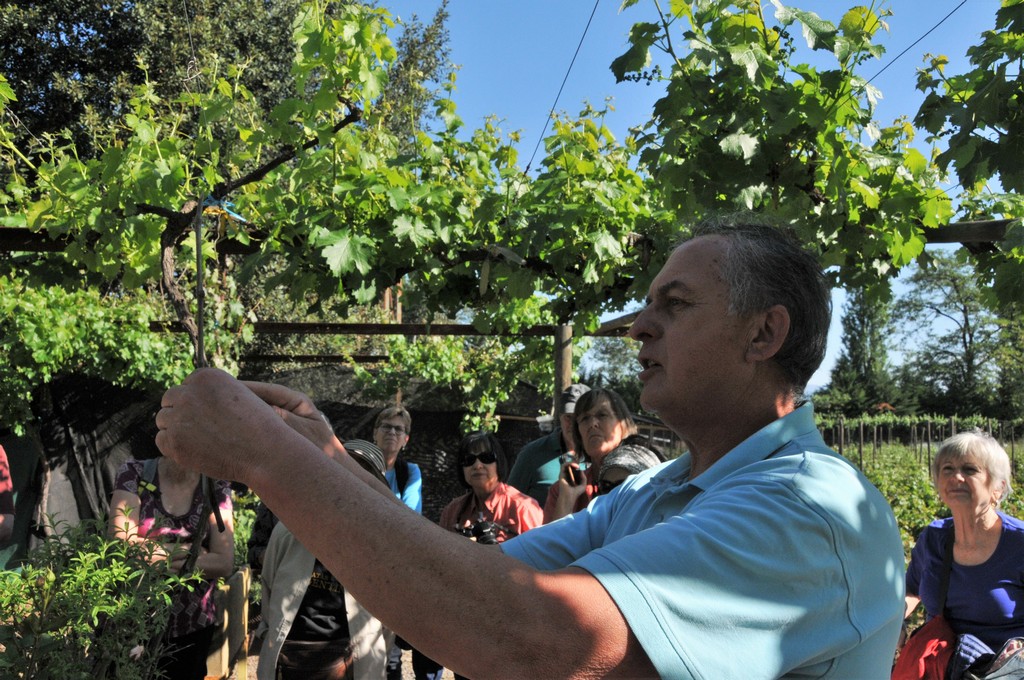
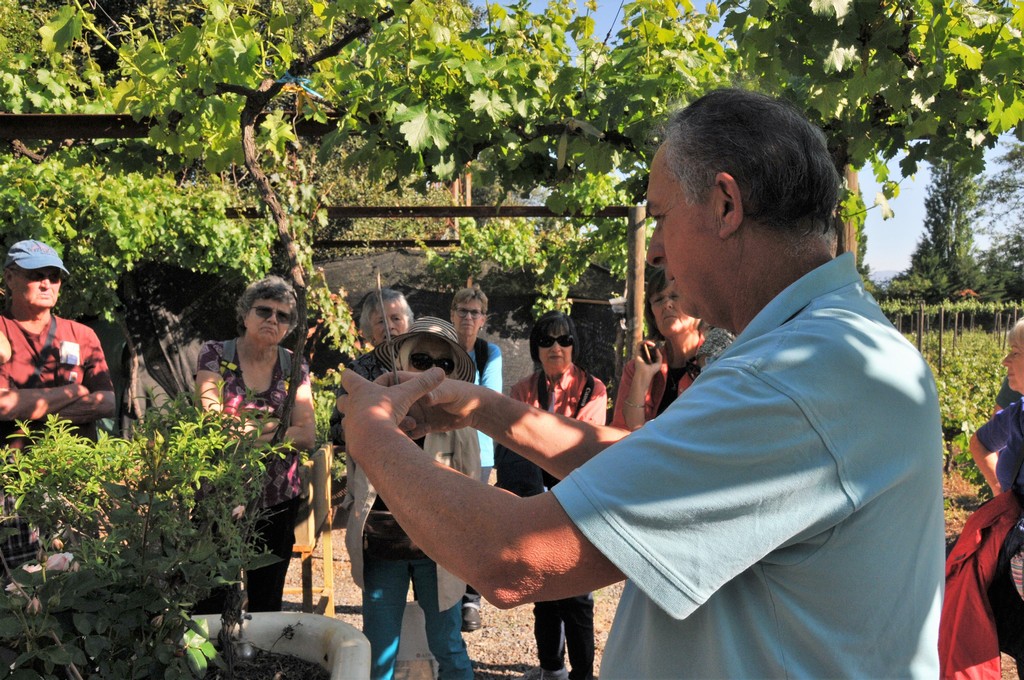
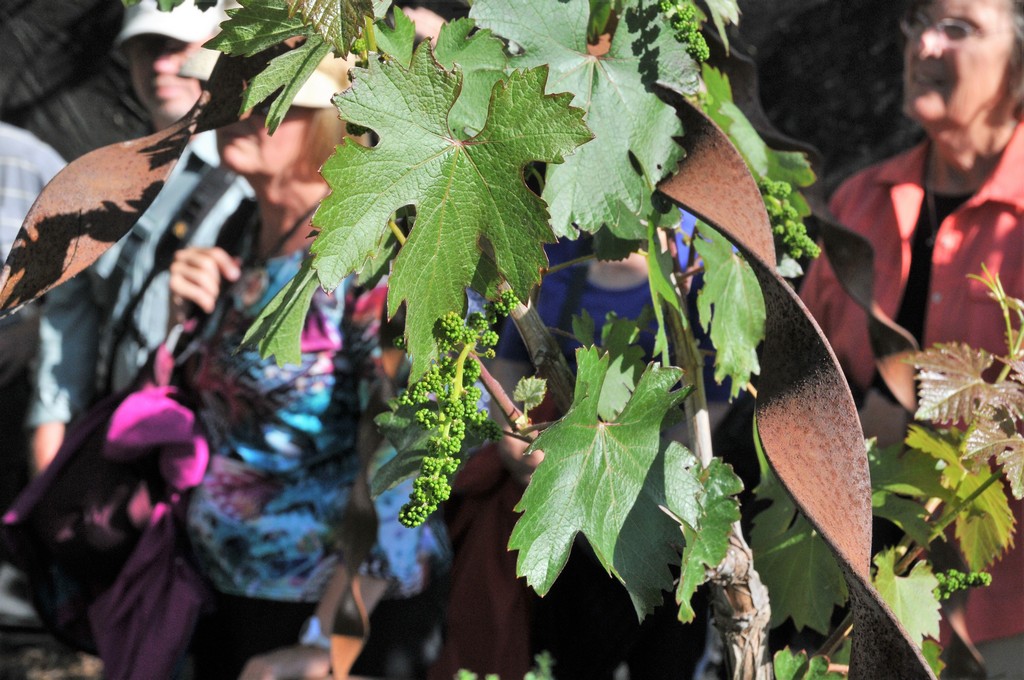
But his concern is to educate, he regularly opens his vineyard for school children and also the general public.  He shows the vineyards and at the same time explains the different processes of production, pruning and grafting  of grapes.  Then passes through the vinification cellar with its small ponds of 200 liters.
The museum has presses, jars of clay, antiques barrels and bronze faucets.  The web site for the bodega is www.paseodelvino.cl
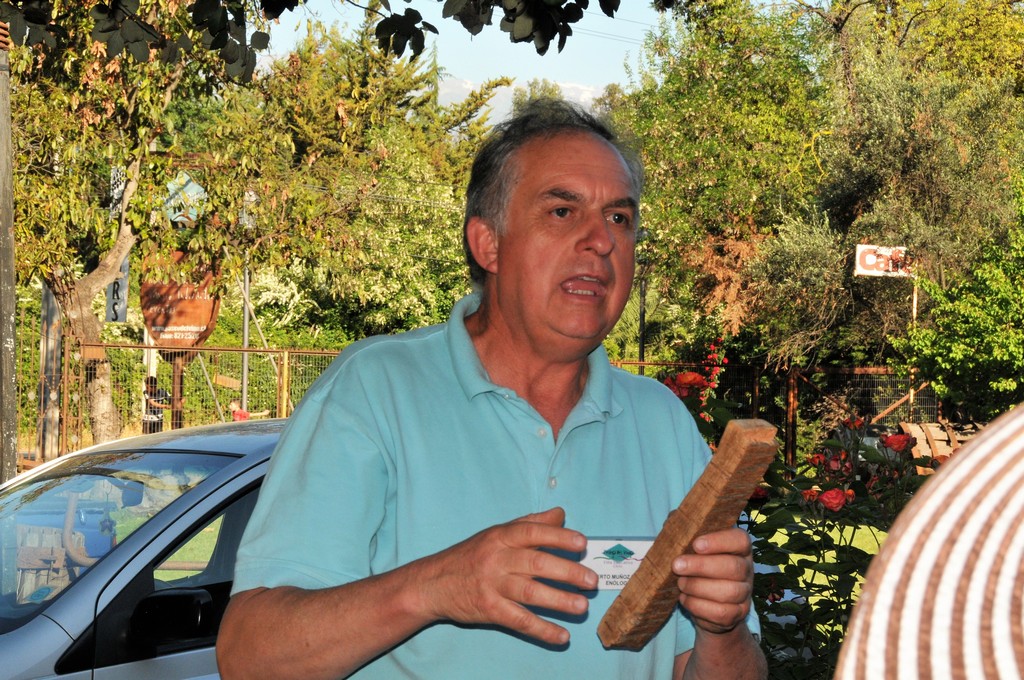
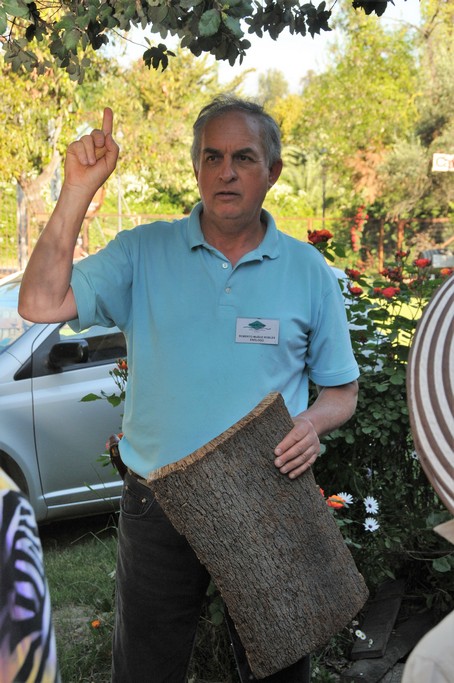
Here Roberto is showing what Cork looks like when it is grown. The winery is only a single acre of land to grow his grapes. He produced  3,000 bottles of both red and white wines.
A large piece of cork. It looks similar to bark on a tree only much thicker.
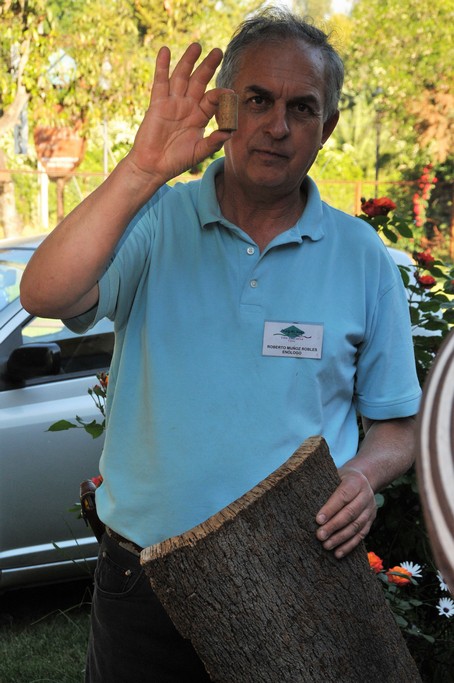
And the final product of cork as we know it in a wine bottle.
[Show slideshow]
◄ 1 ... 9 10 11 ... 30 ►
© 2026 Jim Schroder