Jim Schroder's Travel
  • Home
  • Trips
Select Page

Chile and Easter Island

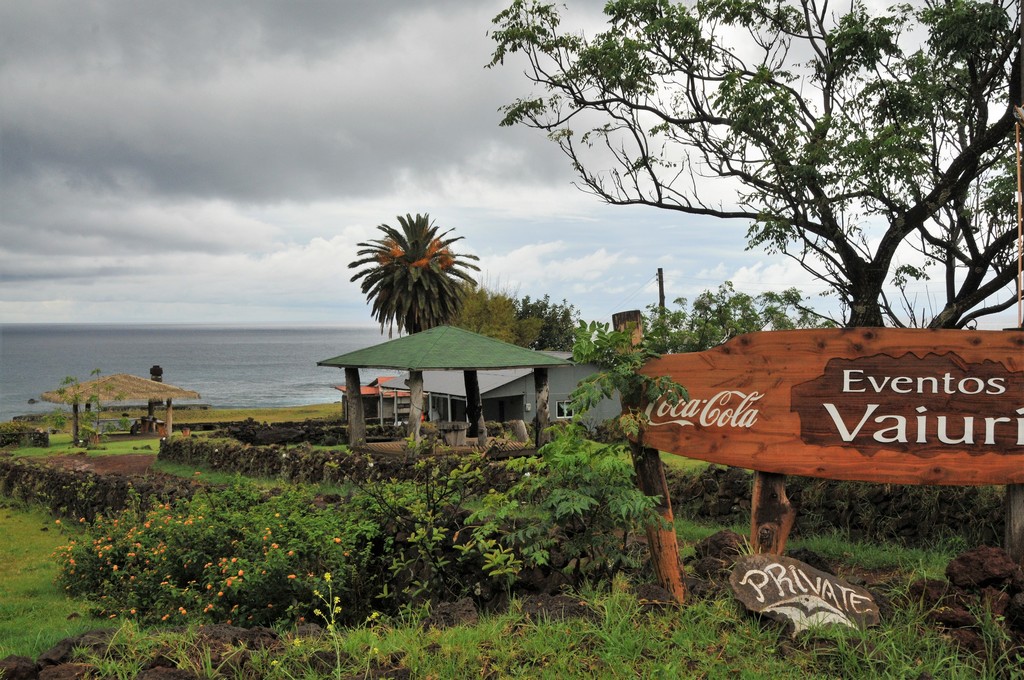
Name of the restaurant we had lunch and returned in the evening too.
What a great location.
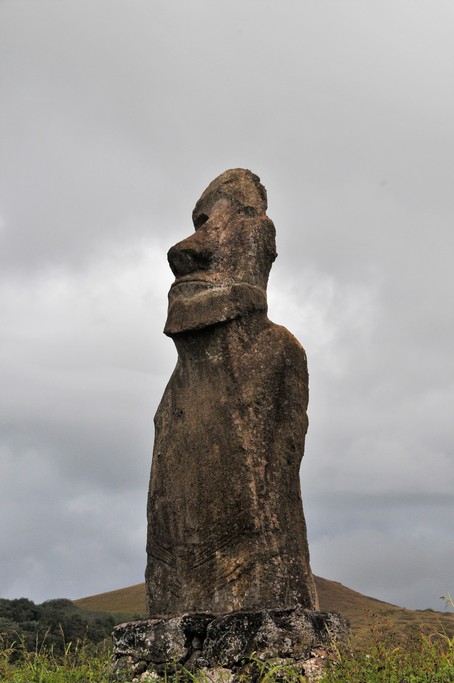
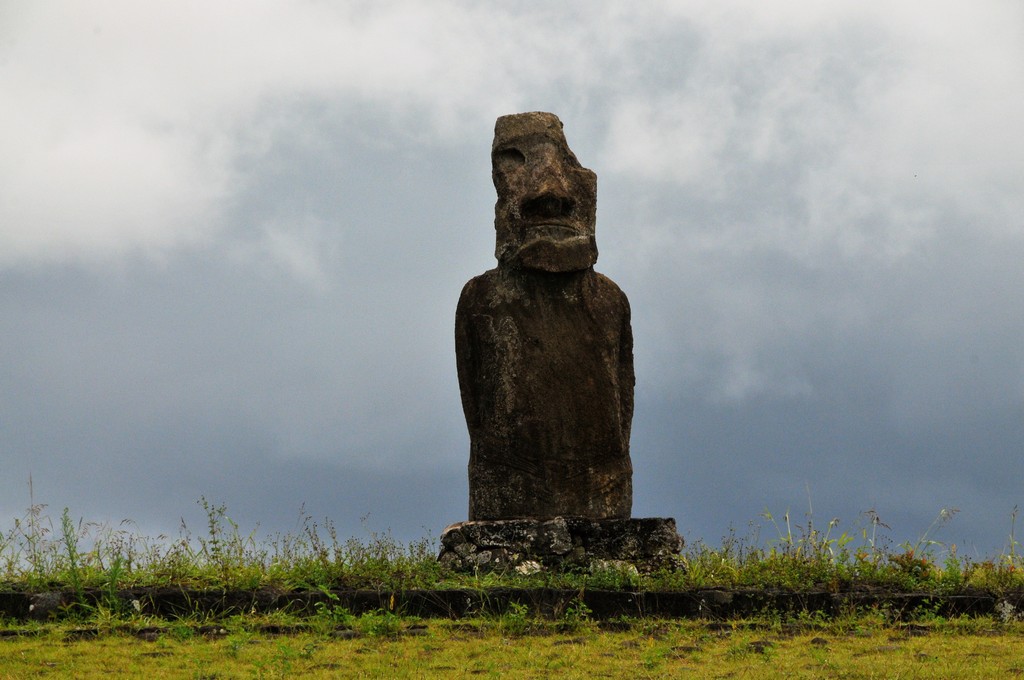
When people first came to Rapa Nui, around 800 years ago, they would have found the island overgrown with palm trees, among other vegetation. In the centuries that followed Rapa Nui was deforested until, by the 19th century, the landscape was utterly barren.  How this occurred is a matter of debate. When people arrived at Rapa Nui they brought with them (whether intentionally or not) the Polynesian rat, a creature that reproduces rapidly and which the Polynesians sometimes consumed. This species had no natural enemies on the island and may have played a major role in deforestation.  The popular claim that the island’s palm trees were felled to create devices to move the moai statues is probably incorrect. According to ancient stories the statues “walked” from the quarries to their place on stone platforms (known as ahu) and, indeed, research has shown that two small teams using ropes can move the statues vertically
DSC_8187
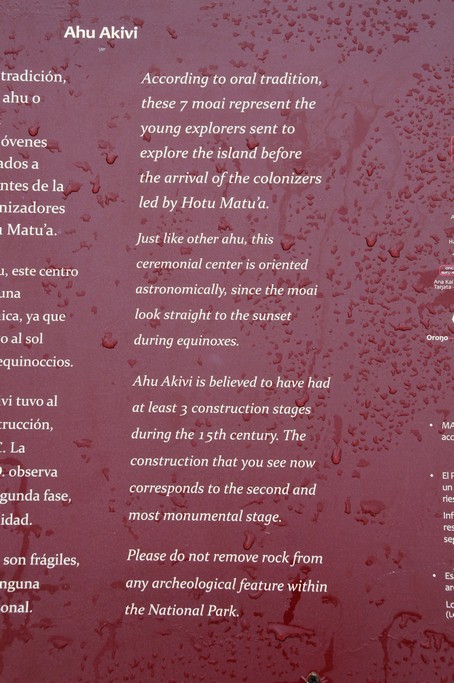
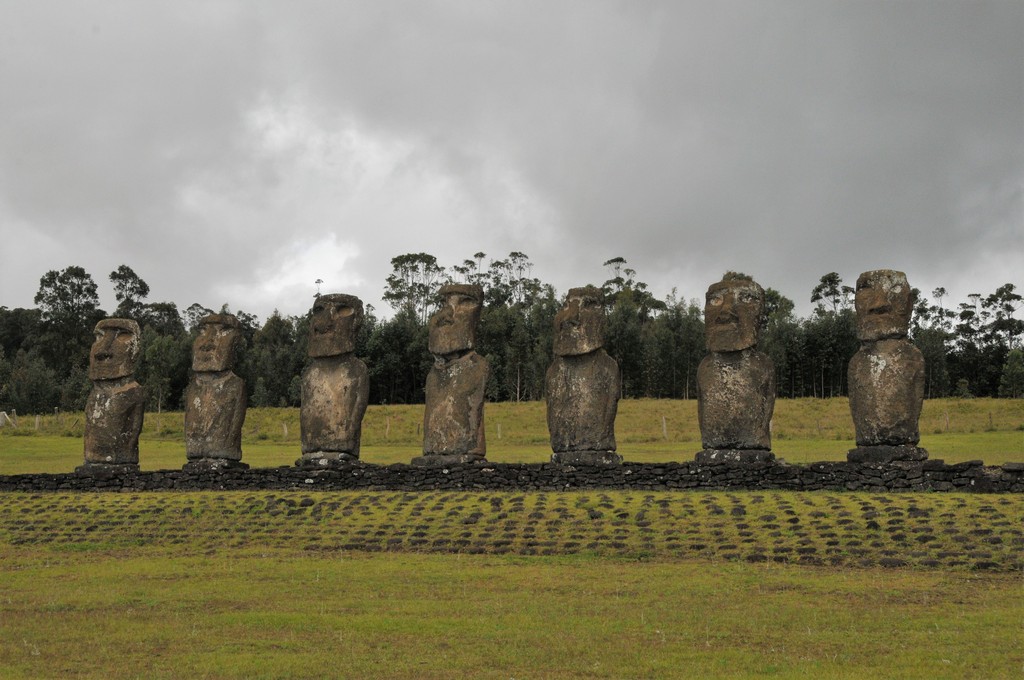
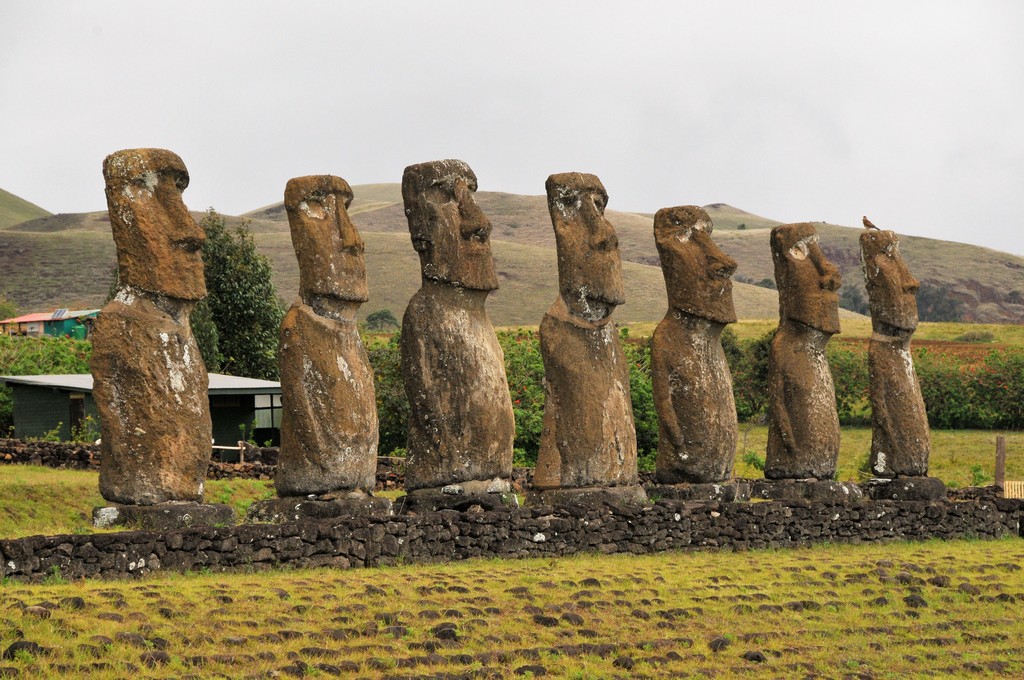
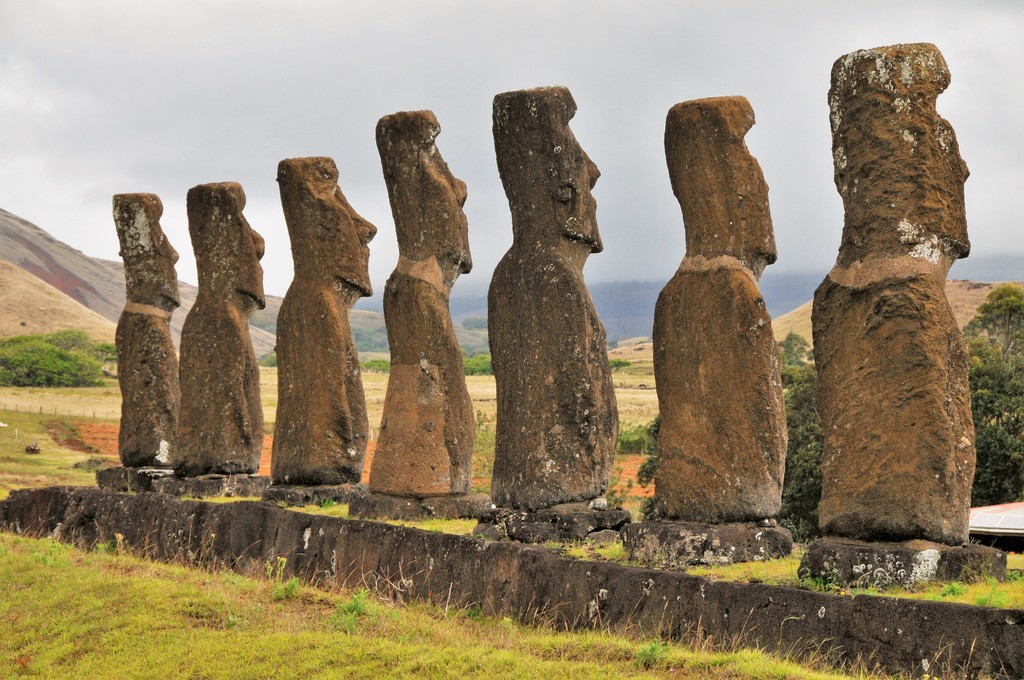
The seven moai statues are located with absolute astronomical precision. Thus, the sacred observatory and sanctuary with all the seven moai look exactly towards the point where the sun sets during the equinox and which also aligns with the Moon. Each one is of 16 feet height and weighs about 18 tons, and its length is  230 ft.
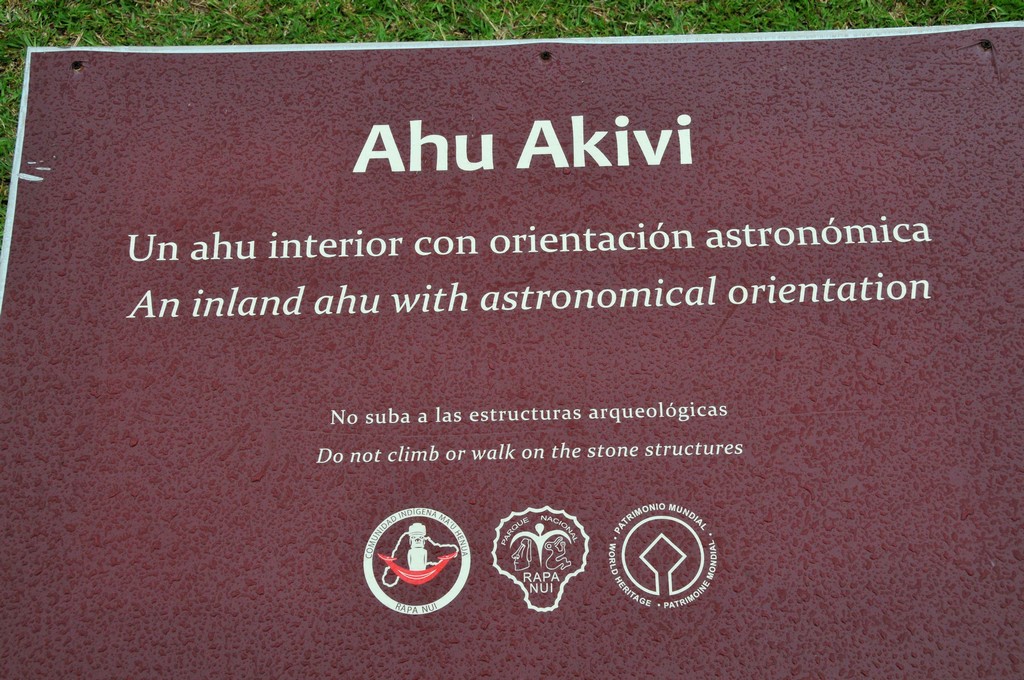
The statues on the island invariably faced the village as a protective mana, but in the case of the Ahu Akivi statues they face towards the sea. There is a legend narrated for this positioning of the seven statues. It is conjectured that the Rapanui people did it to propitiate the sea to help the navigators. However, according to an oral tradition, Hotu Matu’s priest had a dream in which the King's soul flew across the ocean when the Rapa Nui island was seen by him. He then sent scouts navigating across the sea to locate the island and to find people to settle there. Seven of these scouts stayed back on the island waiting for the king to arrive. These seven are represented by the seven stone statues erected in their honour.
Ahu Akivi is part of the Ahu Akivi-Vai Teka complex which was built up by the Rapa Nui people in two phases. In the first phase, during the 16th century a central rectangular platform was created on a leveled surface. It had wings projecting to the north and the south directions. An approach ramp was also part of this platform which led to the ceremonial plaza stretching 25 metres (82 ft) towards the west of the central platform. A cremation ground existed behind the central platform. The second phase of construction was elaborately planned and implemented in the early years of the 17th century when the platform was modified, a ramp was created, seven statues of equal size were erected. Another crematorium was also built. A cave in which people used to reside was also used as tomb during historic times.
DSC_8198
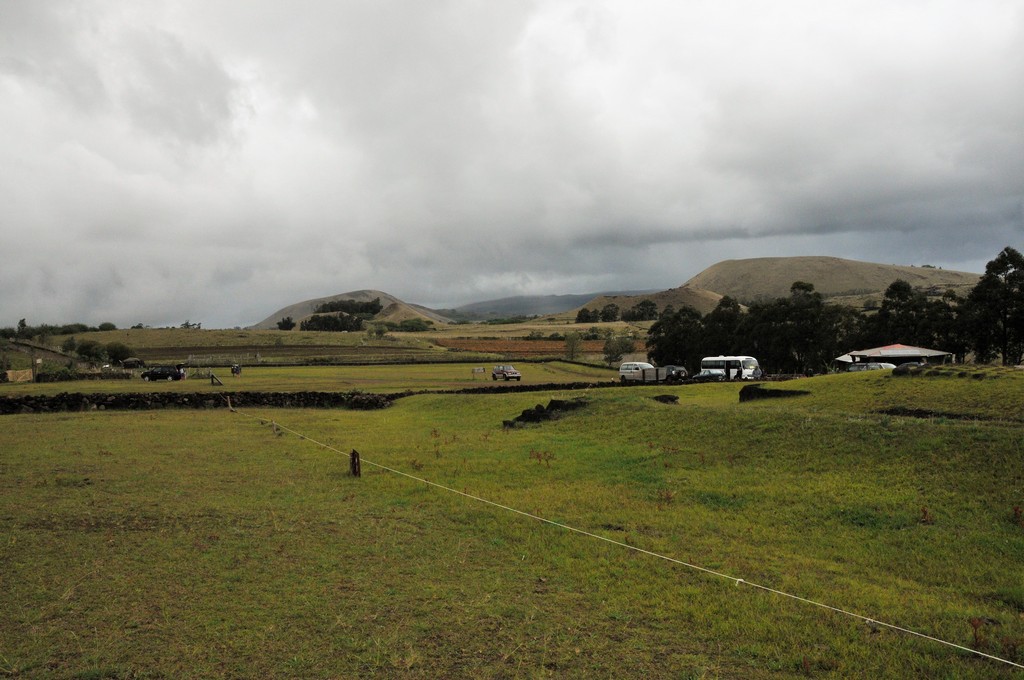
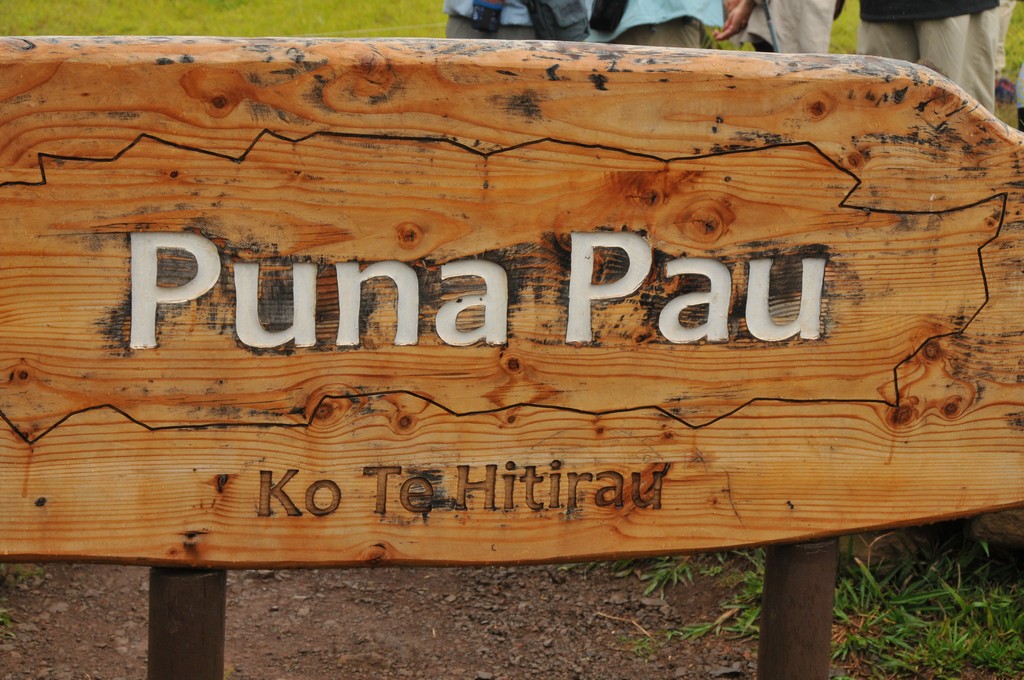
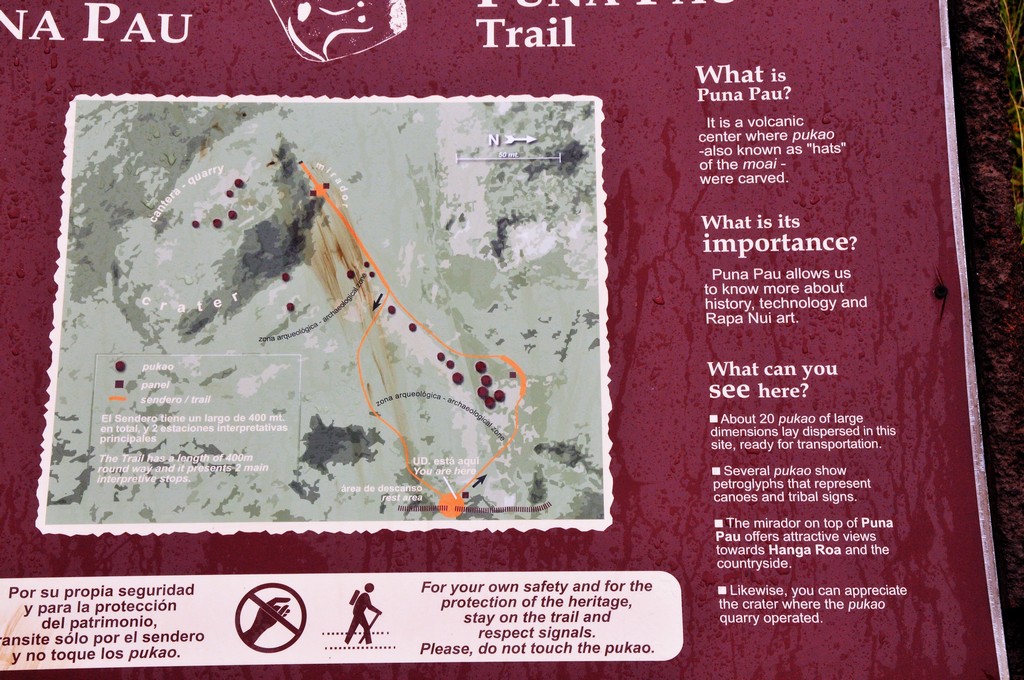
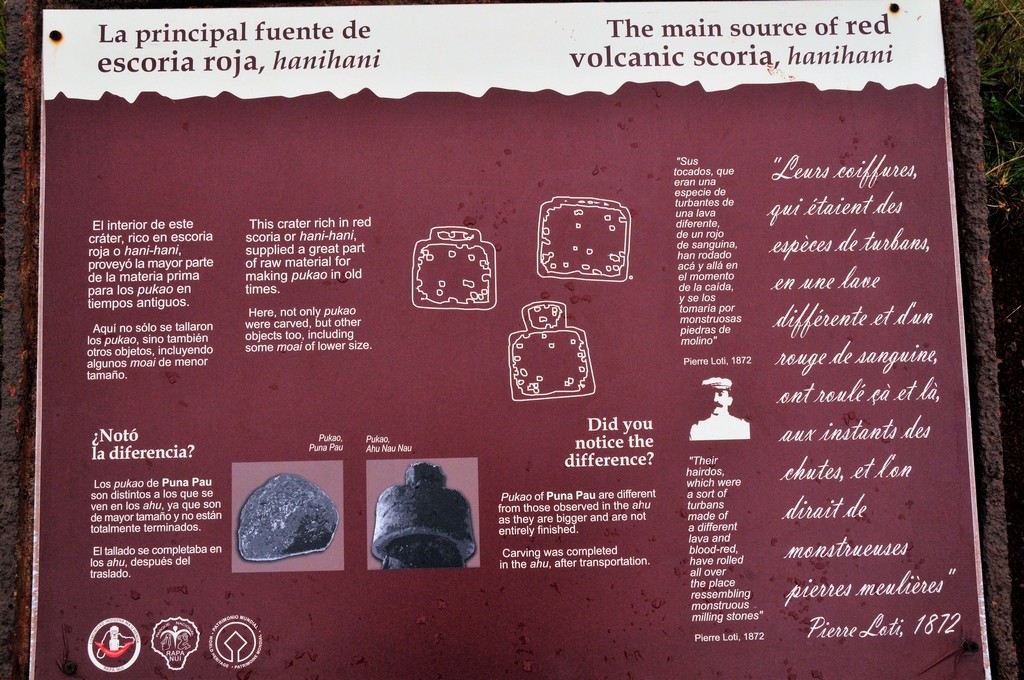
Puna Pau is a small extinct volcano, located about 7 kilometers northeast of Hanga Roa, whose name refers to a source or well of water that should have existed in its surroundings. This crater is part of a set of parasitic cones that emerged during the eruptions of Ma’unga Terevaka, the youngest and highest volcano on Easter Island
DSC_8201
DSC_8202
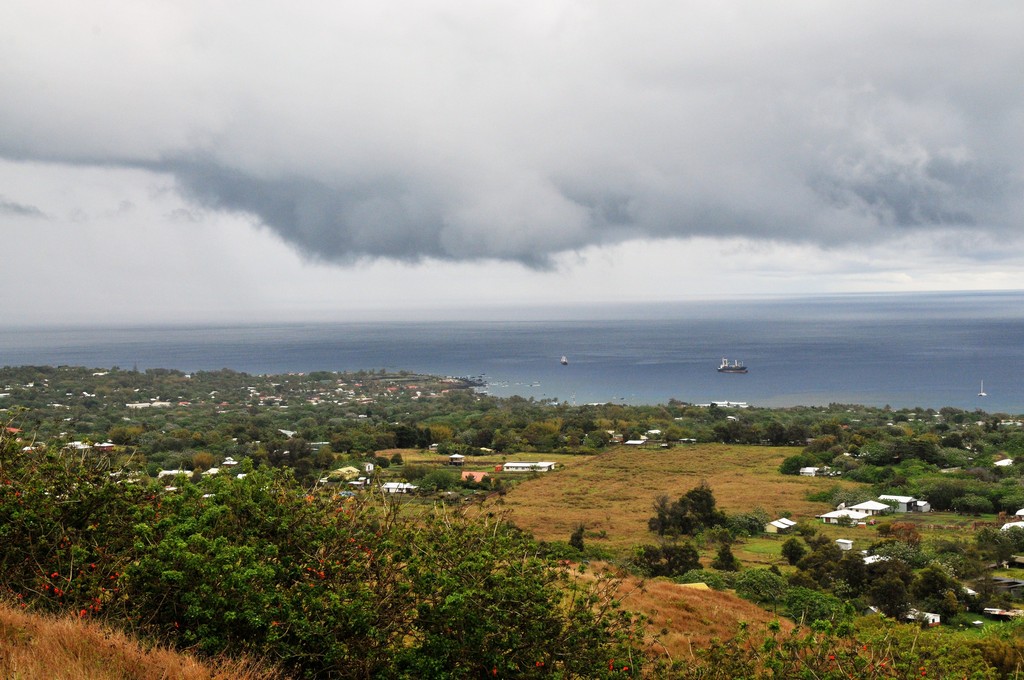
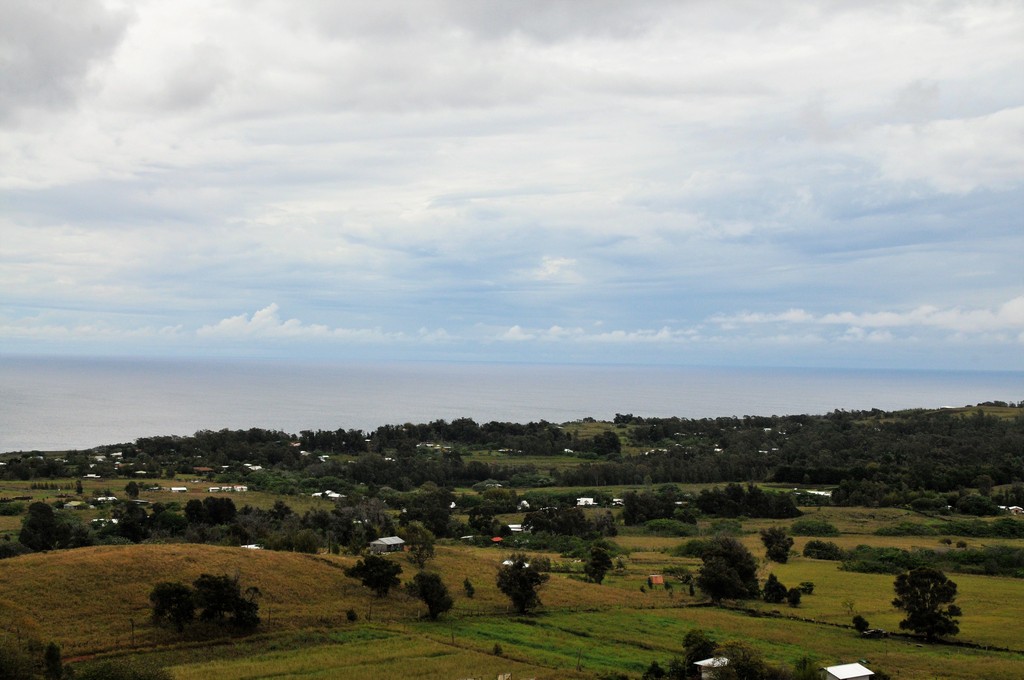
Views of Hanga Rua the only city on the island
DSC_8205
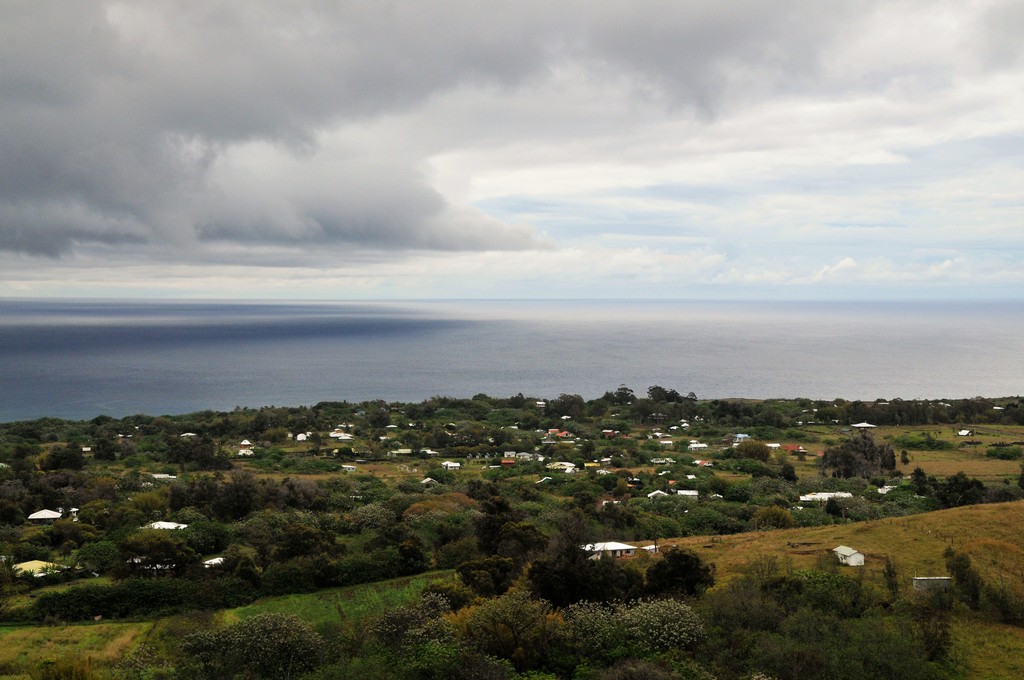
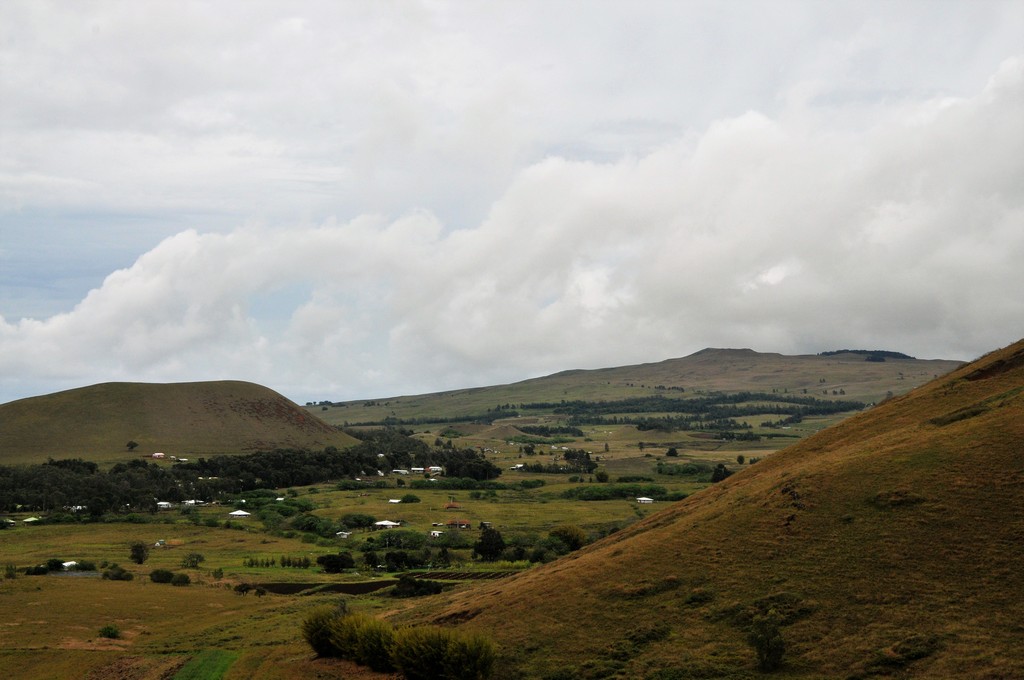
These 3 photos are different views of Hanga Rua
The country side inland from the ocean. Very rural.
Though the consensus is that Easter Island did indeed suffer an ecological catastrophe, no doubt helped along by human folly, one theory argues that it was rats – yes, rats – that were key culprits in the demise. Archaeologists have found that nuts retrieved from the extinct Easter Island palm show evidence of nibbling by Polynesian rats. By eating the nuts, the sizeable rat population could have prevented reseeding of the bountiful but slow-growing palms across the island, causing them to die out.  But the most likely cause of the downfall of Rapanui society is disease brought about by slavery. According to Easter Island: The Truth Revealed, approximately 1,500 to 2,000 people – half the population – were taken in 1862 in a raid by slave traders from Peru to work there, predominately in agriculture.
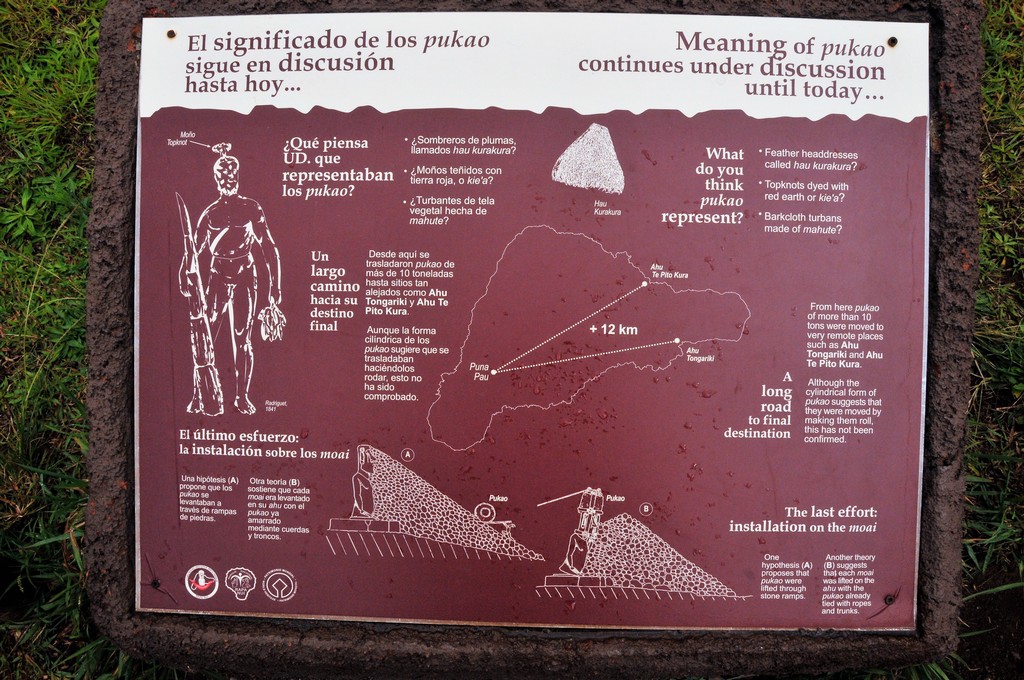
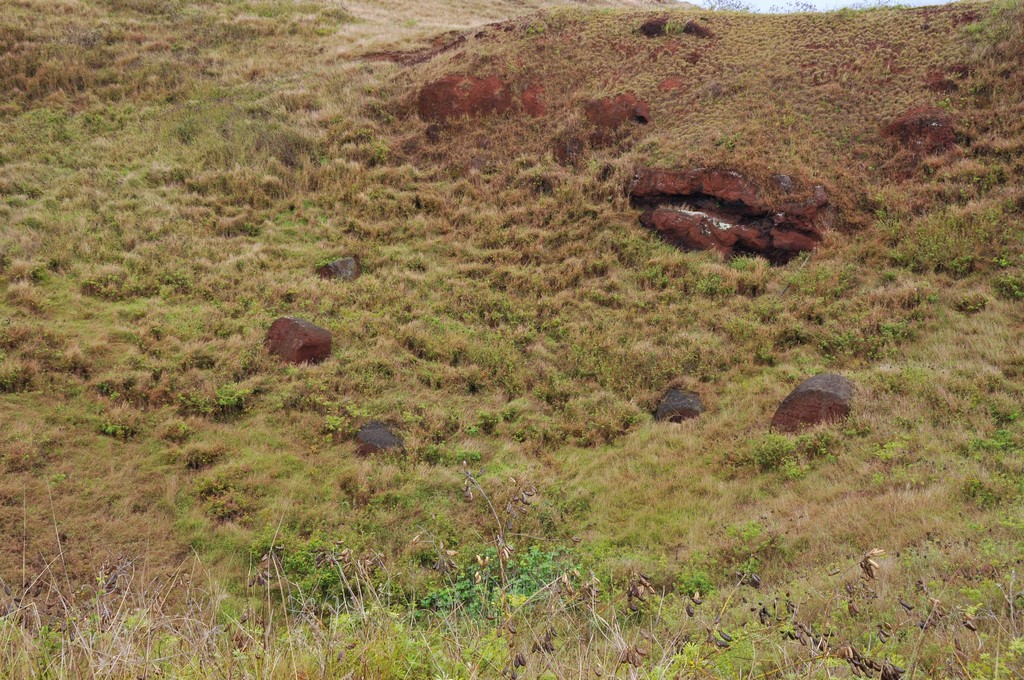
Discarded Pukao  in the field
The question of what happened to the Rapanui, Easter Island’s native population, is one of the world's most intriguing mysteries, while the myths surrounding the famous moai statues they created persist to this day.
Though the consensus is that Easter Island did indeed suffer an ecological catastrophe, no doubt helped along by human folly, one theory argues that it was rats – yes, rats – that were key culprits in the demise. Archaeologists have found that nuts retrieved from the extinct Easter Island palm show evidence of nibbling by Polynesian rats. By eating the nuts, the sizeable rat population could have prevented reseeding of the bountiful but slow-growing palms across the island, causing them to die out.  But the most likely cause of the downfall of Rapanui society is disease brought about by slavery. According to Easter Island: The Truth Revealed, approximately 1,500 to 2,000 people – half the population – were taken in 1862 in a raid by slave traders from Peru to work there, predominately in agriculture.
After disease had ripped through the enslaved Rapanui following contact with Europeans, resulting in mass casualties, just 15 survivors were granted permission to return to Easter Island. They brought disease with them and much of the remaining population was decimated. A matter of years later, just 110 Rapanui existed, down from approximately 4,000 before the raid.  But the Rapanui people managed to survive.
[Show slideshow]
◄ 1 ... 8 9 10 ... 30 ►
© 2026 Jim Schroder