Jim Schroder's Travel
  • Home
  • Trips
Select Page

Chile and Easter Island

DSC_7935
DSC_7938
DSC_7939
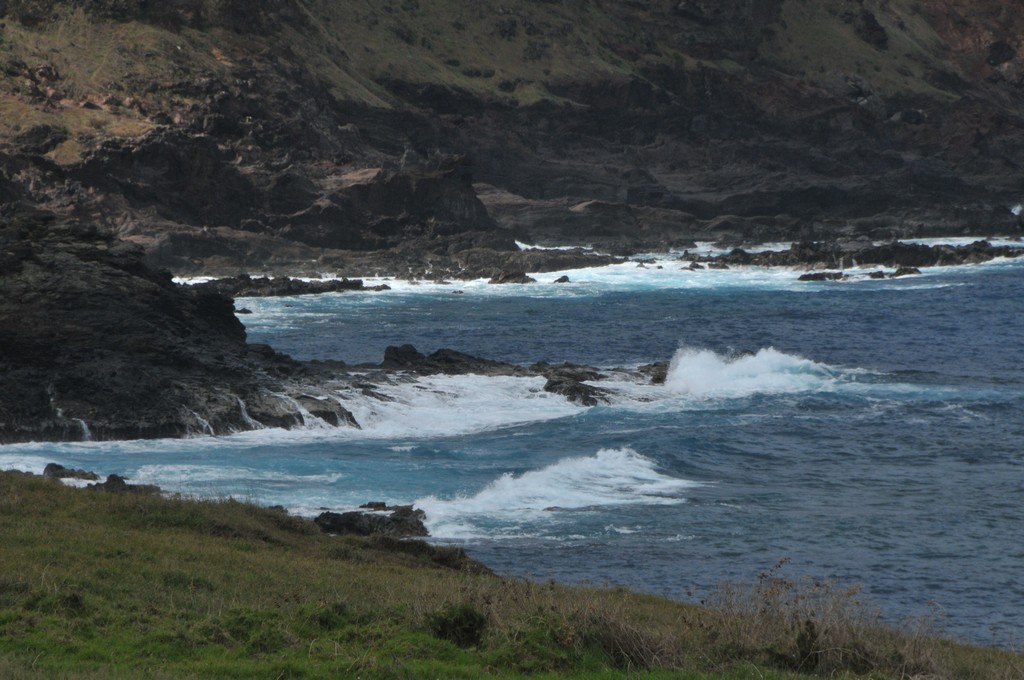
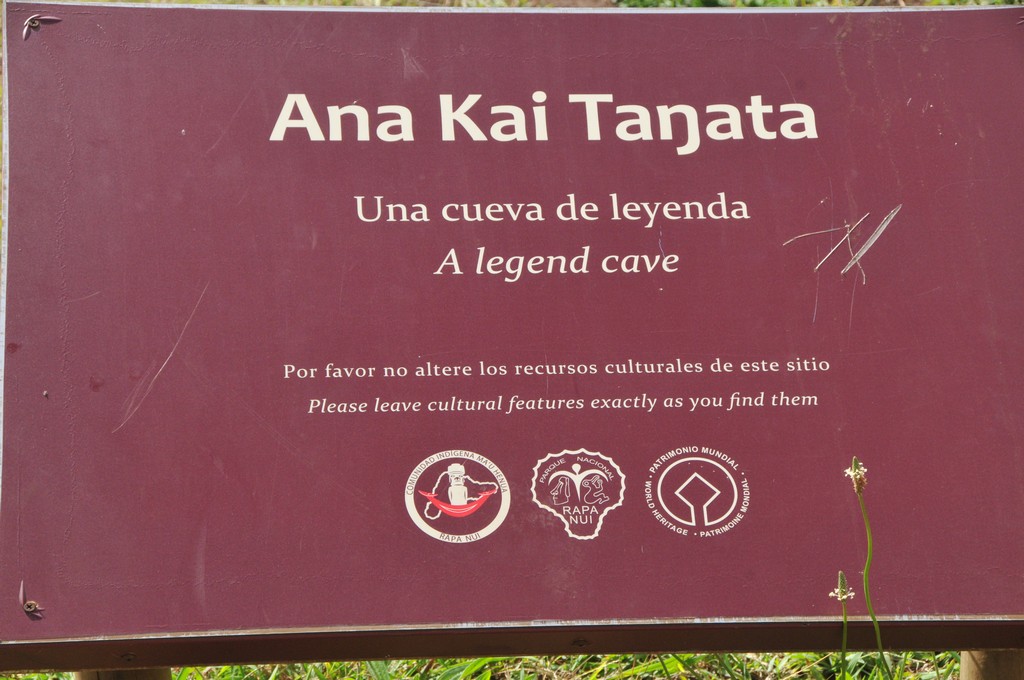
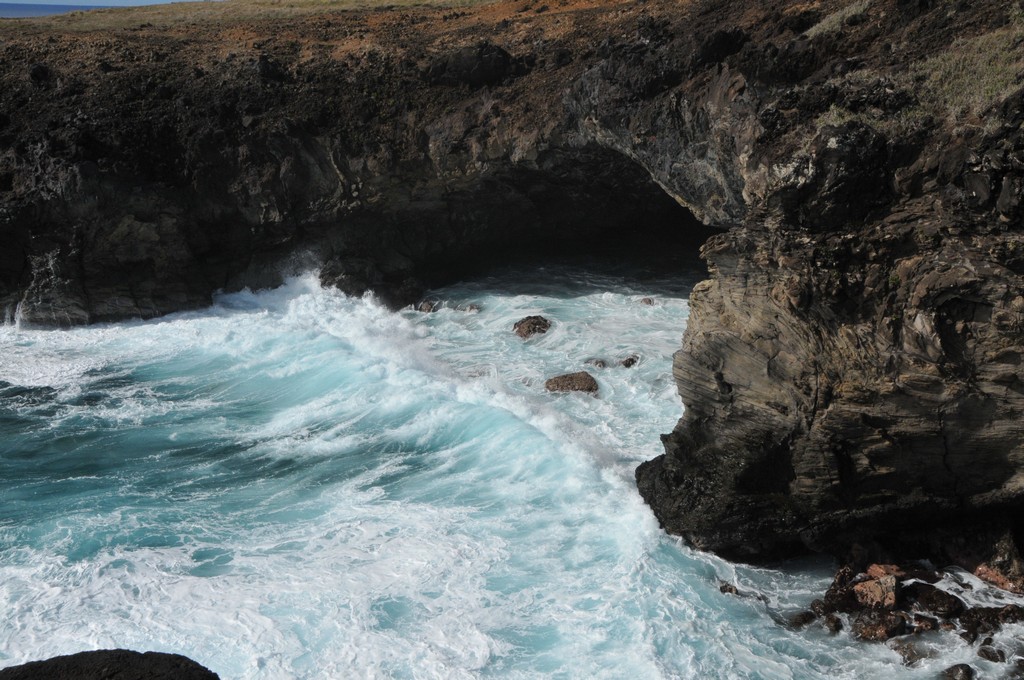
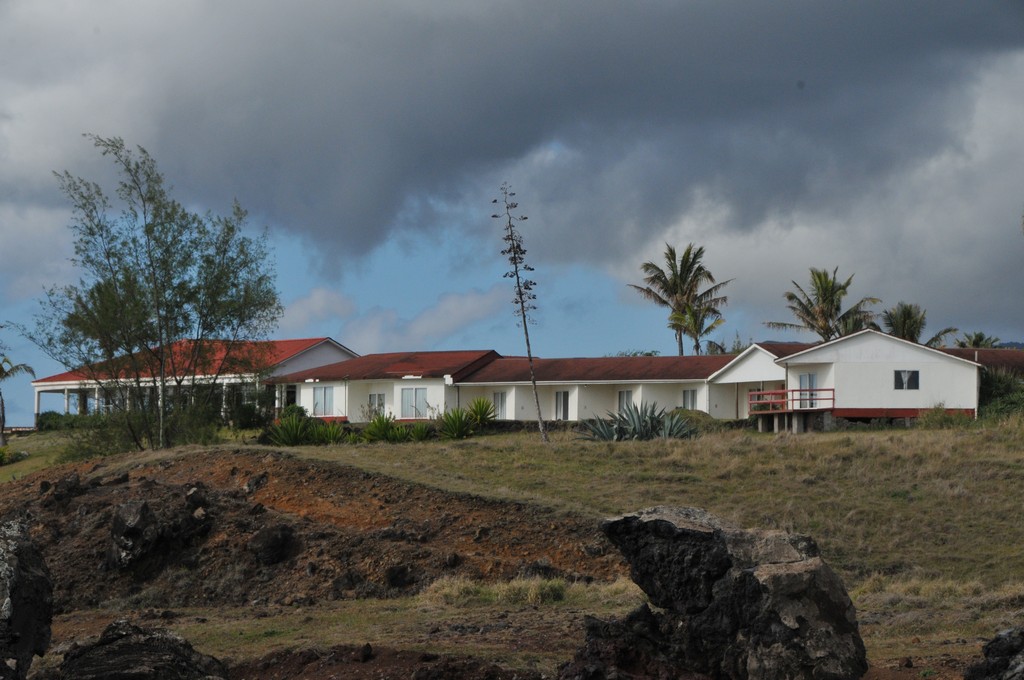
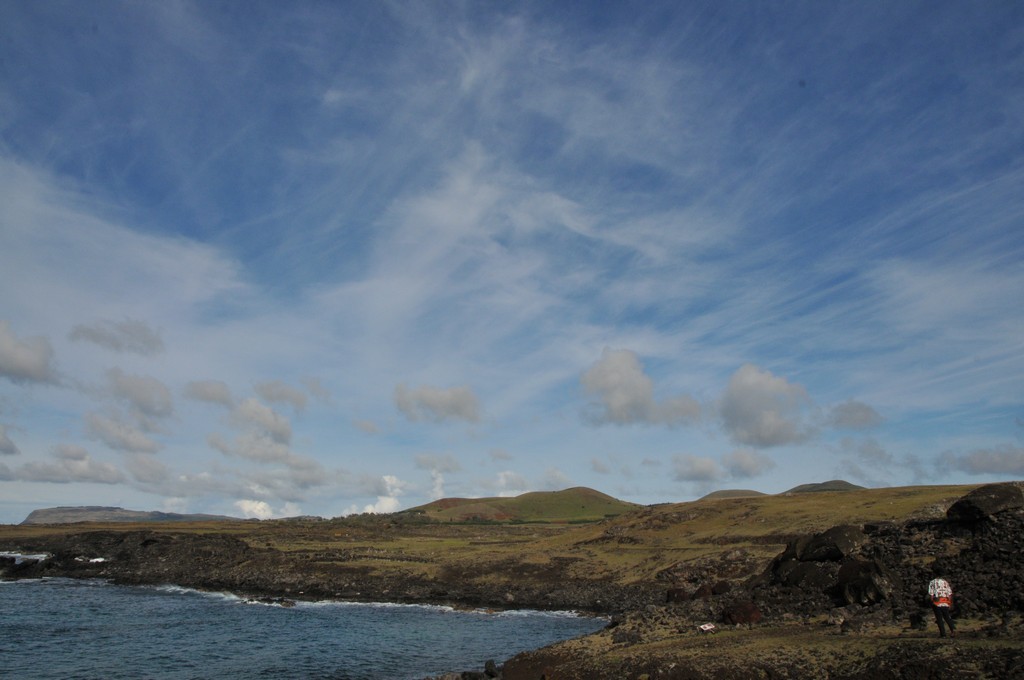
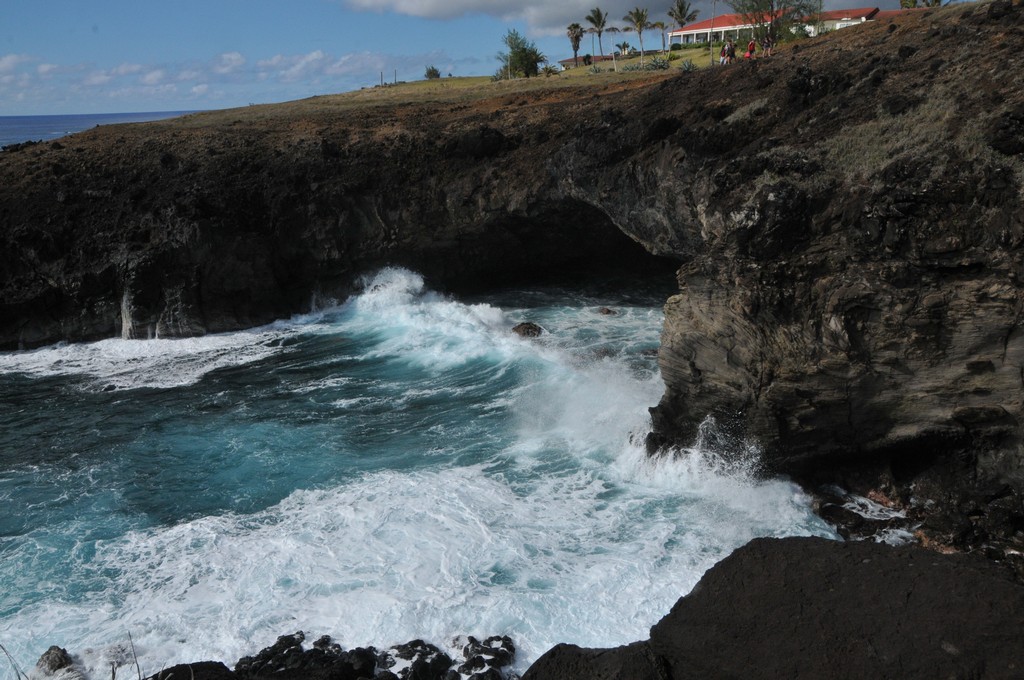
Ana Kai Tanata   A Legend Cave.  It is said to hold some cave paintings in the roof of the cave.  Also known as the Cave of the Cannibals. The hotel we were staying, Hotel Iorana is just above in the distance.
Ana Kai Tangata  cave on the coast is quite steep to get down to. The sea is very rough bashing up against the cliffs. The entrance to the cave is quite big and opens up to the sea.  The top of the cave is very high but I don’t think it would have offered much shelter to its occupants as it is open to the elements.
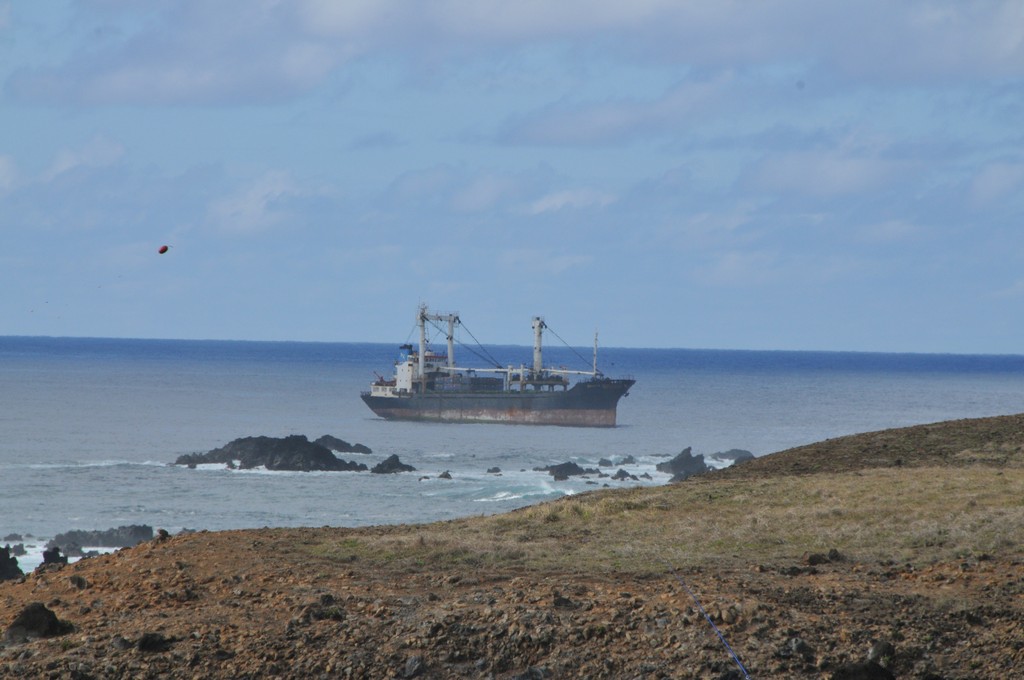
A beached freighter
Hotel Iorana
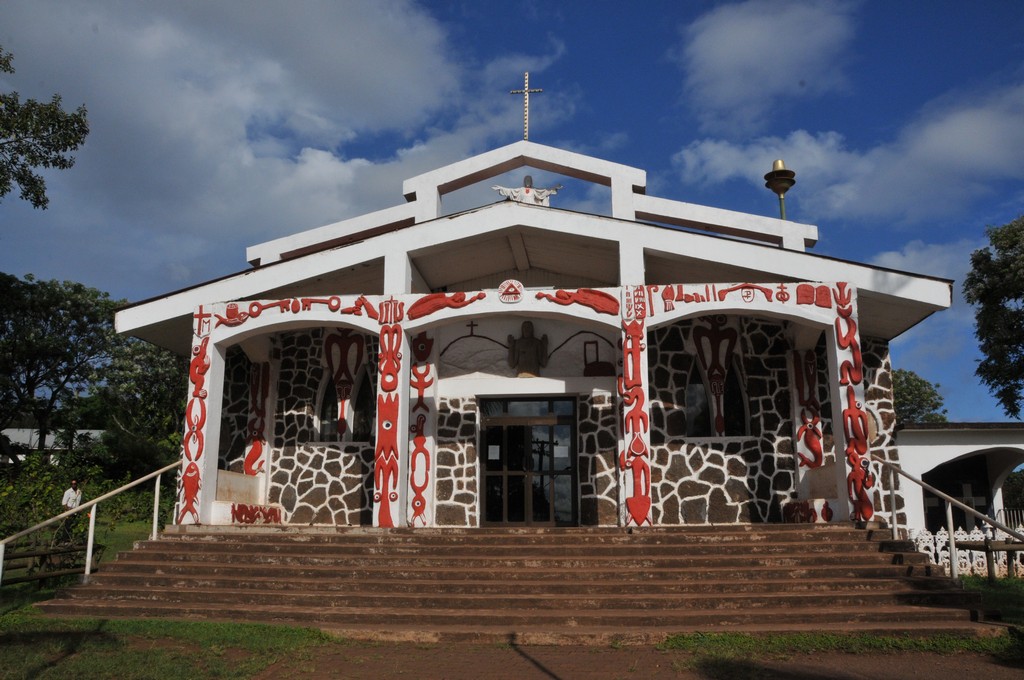
The only Catholic church on Easter Island is located at the end of Te Pito or Te Henua Street. It is the parish of the Holy Cross (Parroquia de la Santa Cruz) founded as such in December 1937 and had as its first parish priest Father Sebastian Englert, an essential figure in the study of the customs, language and history of the island.
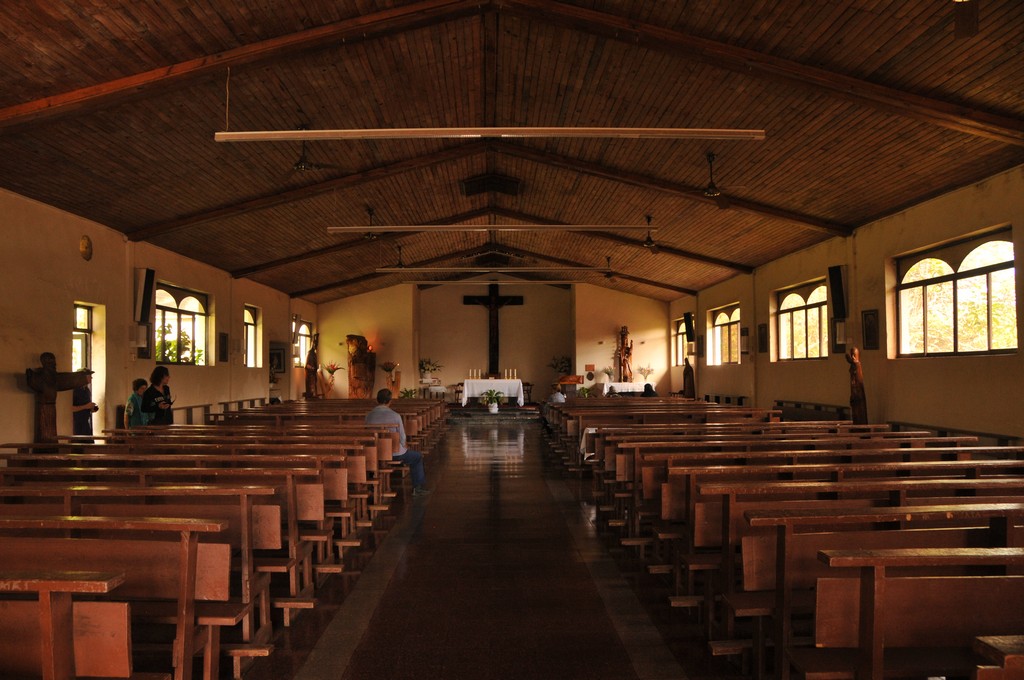
Interior of the church
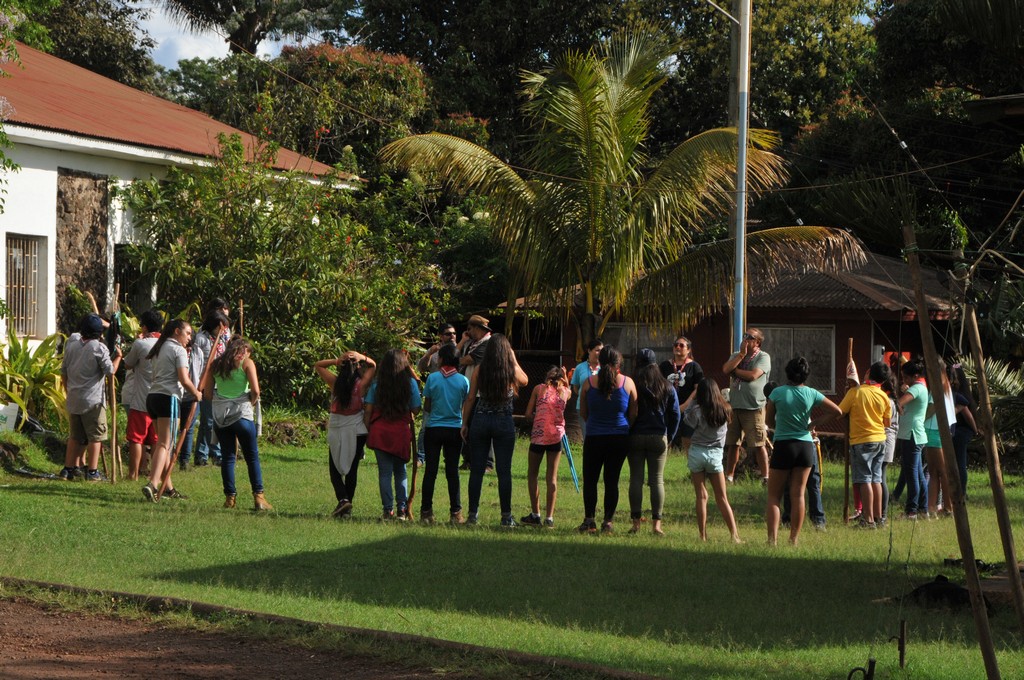
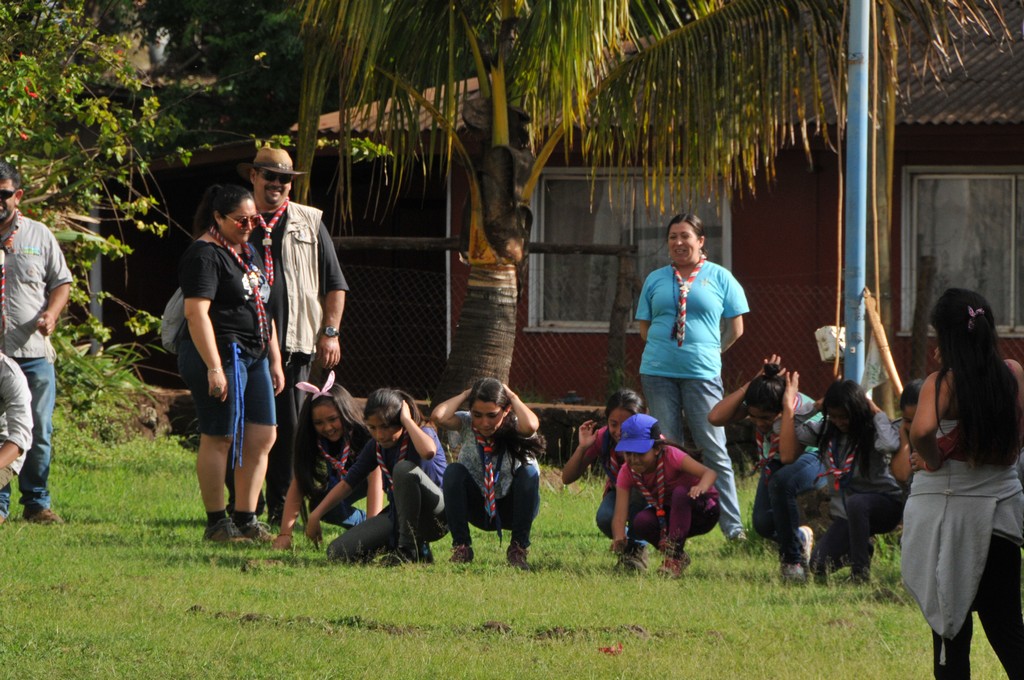
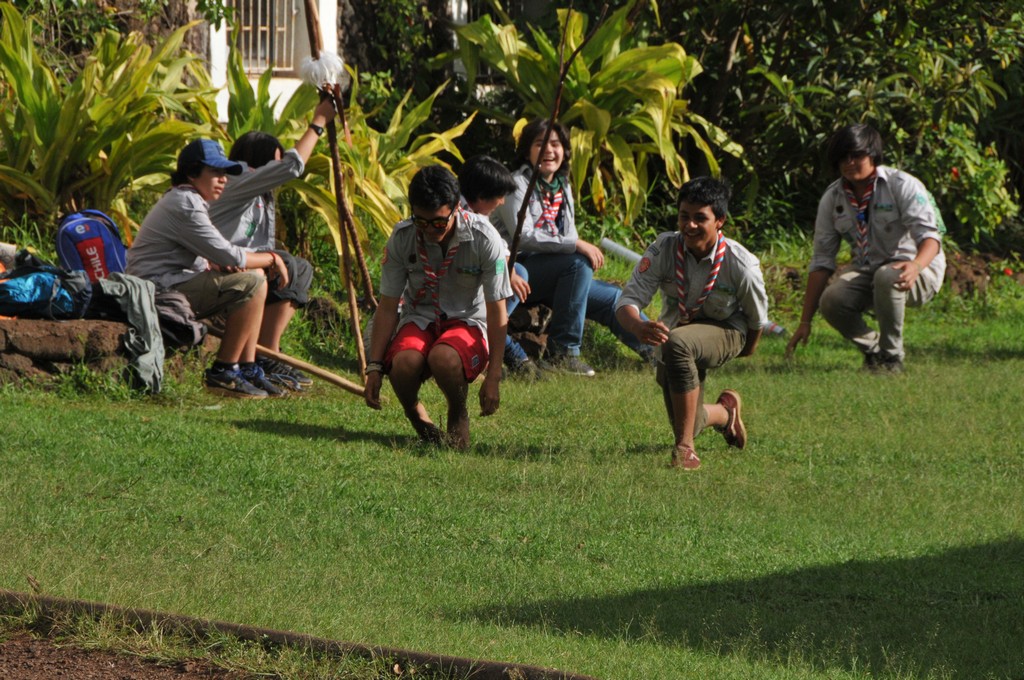
Adjacent to the church this afternoon were a number of teenagers having some fun.
DSC_7961
DSC_7962
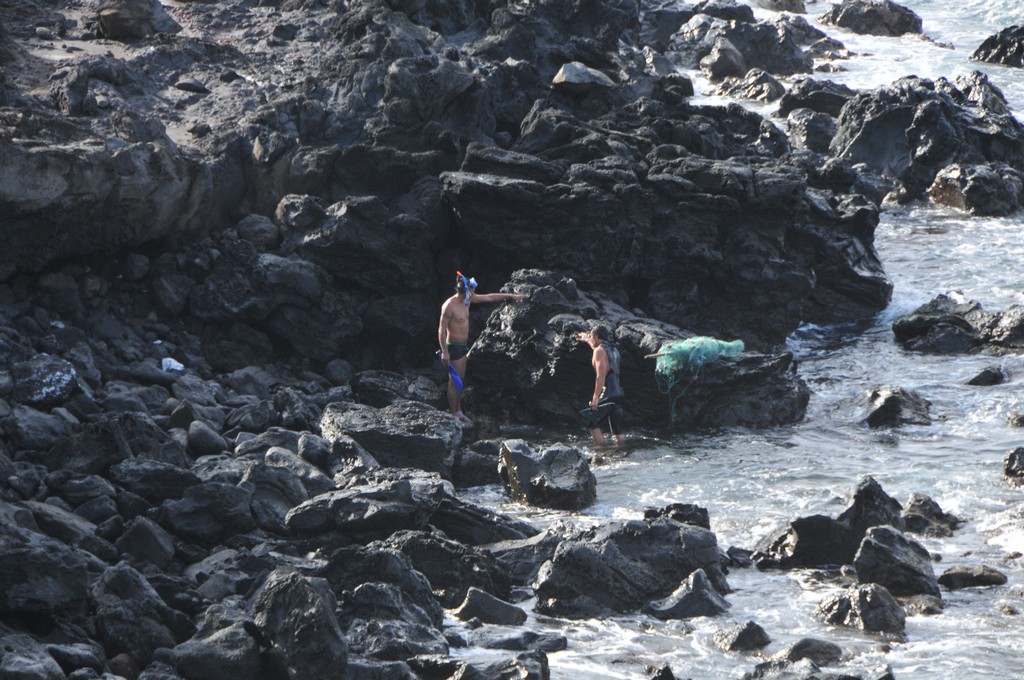
Couple locals going spear fishing
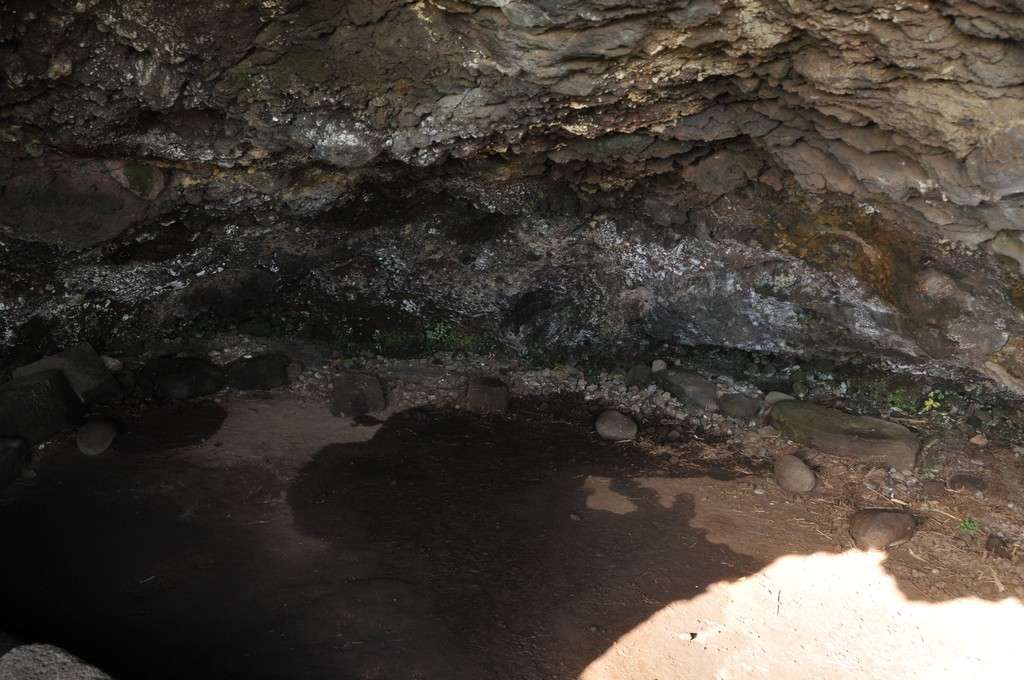
Inside a cave where early settler families once lived
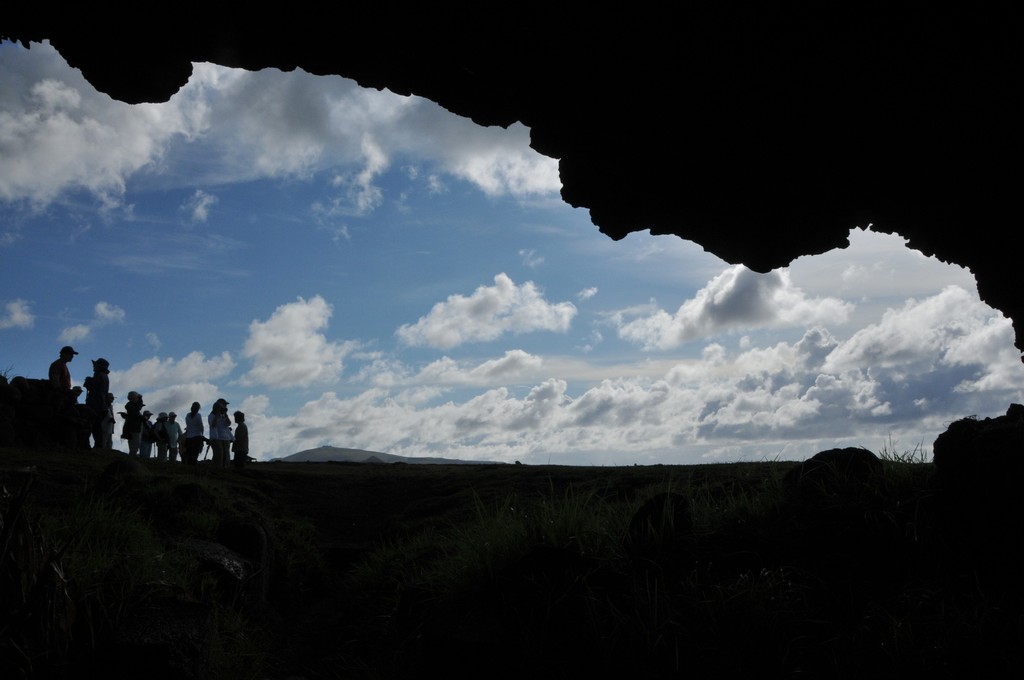
Looking out from the inside of the cave
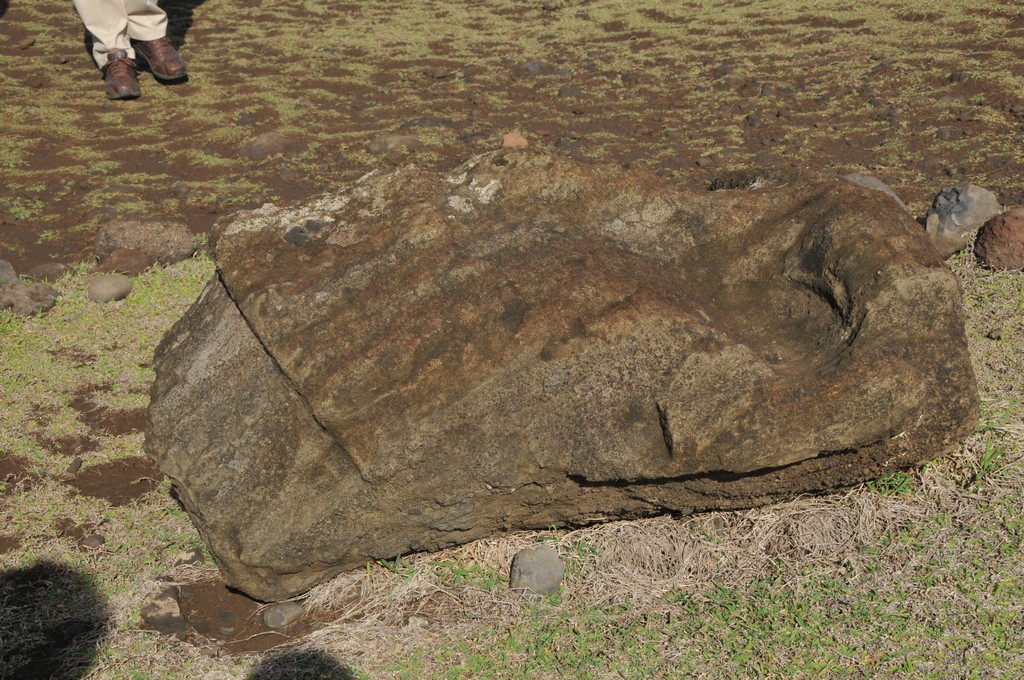
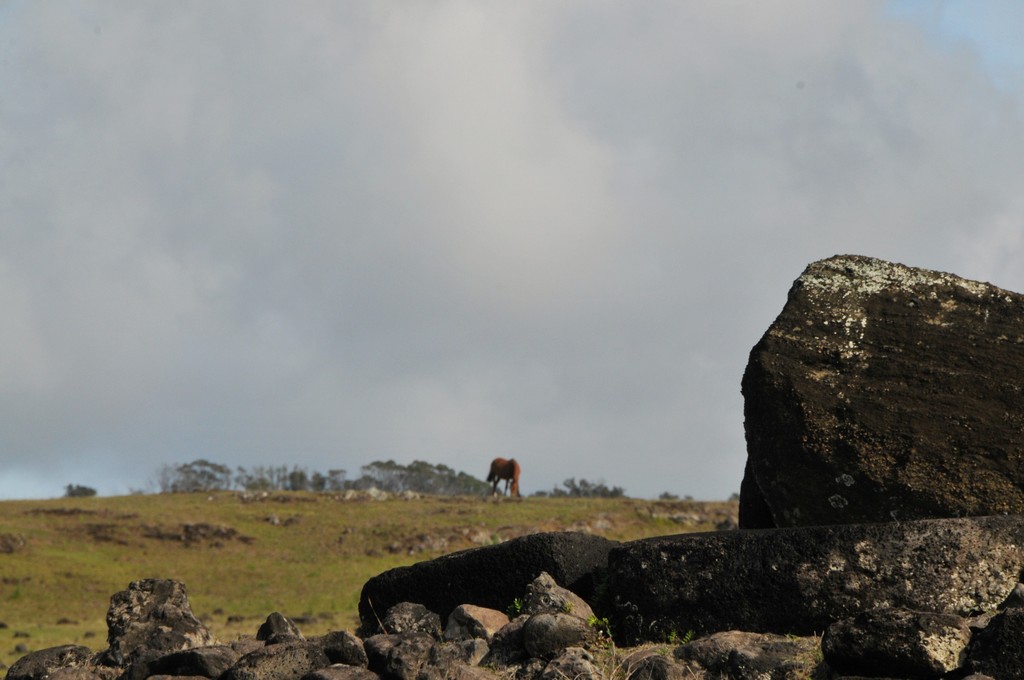
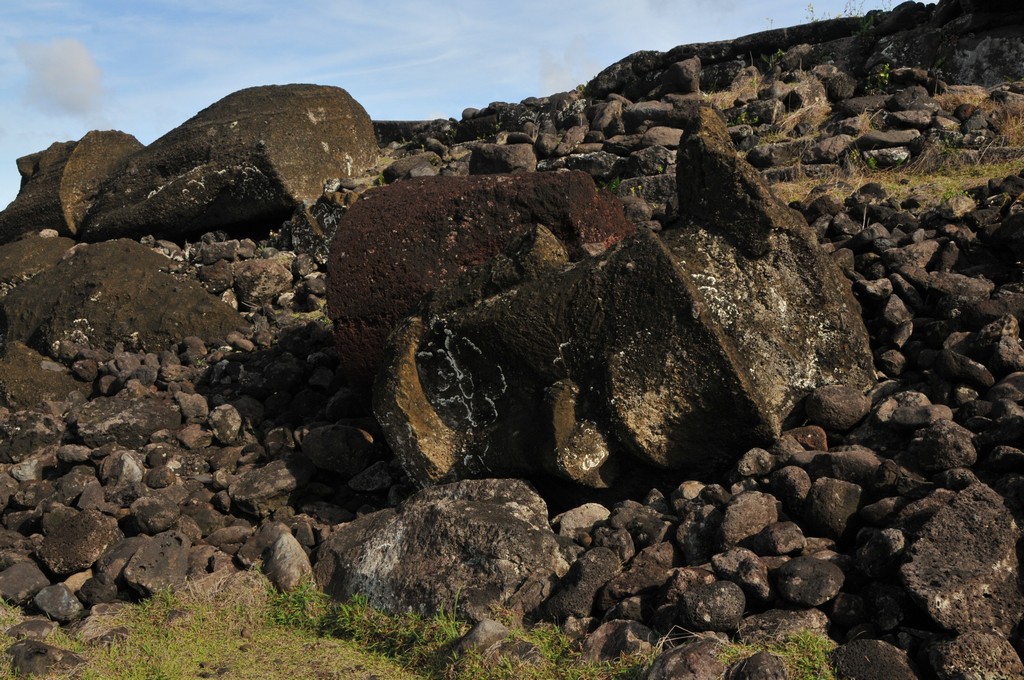
The Ahu Akahanga stands on the left in front of the sea, a few meters from the agitated waves that beat against the rocks. This large platform of 18 meters in length has not been restored, which allows to get an idea of the state in which all the ahu were in the epoch of decadence of the island. In most destroyed platforms, the statues lie face down with their hidden faces and their turned backs. However, in Ahu Akahanga, the 13 moai, which are between 5 and 7 meters in size, were knocked down both face-up and face-down. This allows to observe better its features and its carving. It is impressive to see these stone giants in such a vulnerable position, when once they stood proudly on their pedestal.
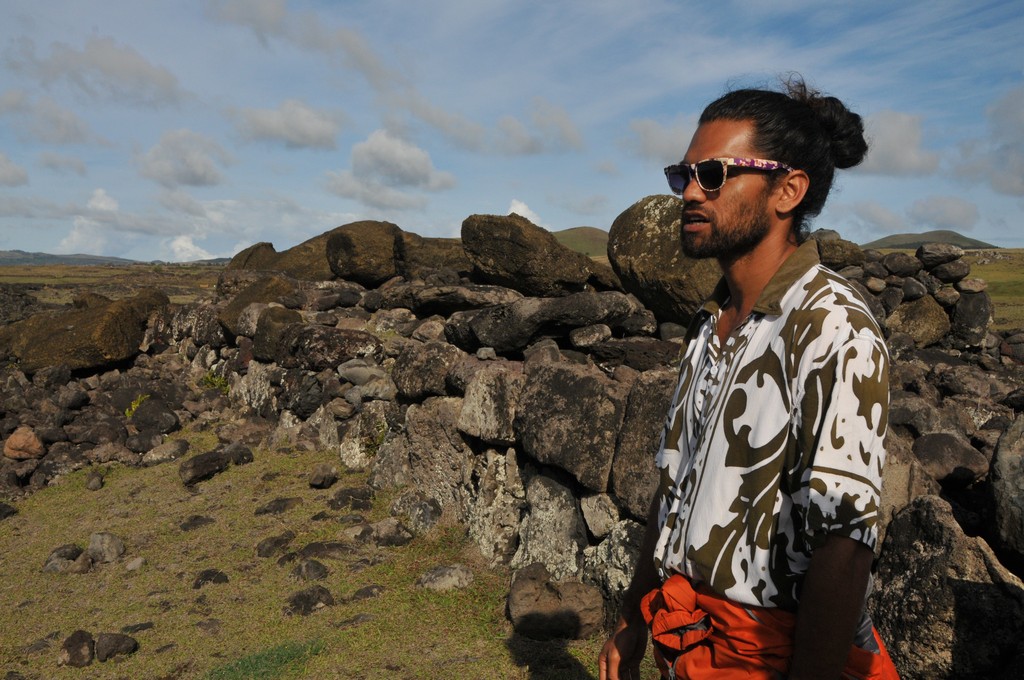
Our local guide Tongariki. According to oral tradition, the first king of the island, the legendary ariki Hotu Matu’a was buried in this place. His sons moved him from the top of the Rano Kau volcano, where he had his final resting place, to Akahanga.
The legendary first paramount chief of Easter Island is said to have been Hotu Matu‘a, who supposedly arrived around 800 to 900 AD. Legend insists that this man was the chief of a tribe that lived on Marae Renga. The Marae Renga is said to have existed in a place known as the "Hiva region". Some books suggest that the Hiva region was an area in the Marquesas Islands, but today it is believed that the ancestral land of the Easter Islanders would have been located in the Pitcairn Mangareva intercultural zone. Some versions of the story claim that internal conflicts drove Hotu Matu‘a to sail with his tribe for new land, while others say a natural disaster, possibly a tidal wave, caused the tribe to flee.  Despite these differences, the stories do agree on the next part: A priest named Haumaka appeared to Hotu Matu‘a in his dreams one night. The priest flew out to sea and discovered an island which he called Te Pito ‘o te Kāinga, which means "the center of the earth". Sending seven scouts, Hotu Matu‘a embraced his dream and awaited the return of his scouts. After eating, planting yams, and resting, the seven scouts returned home to tell of the good news. Hotu Matu‘a took a large crew along with his family and everything they needed to survive in the new land. They then rowed a single huge double-hulled canoe to "the center of the earth" and landed at Anakena, Rapa Nui.
n most destroyed platforms, the statues lie face down with their hidden faces and their turned backs. However, in Ahu Akahanga, the 13 moai, which are between 5 and 7 meters in size, were knocked down both face-up and face-down. This allows to observe better its features and its carving. It is impressive to see these stone giants in such a vulnerable position, when once they stood proudly on their pedestal.
A legend says that after burying him under a mound of stones, Tu’u Maheke, the eldest son, cut off Hotu Matu’a’s head and buried it between some stones. Someone discovered it some time later, and after that the Ariki Tu’u Ko Ihu stole the skull of its last owner and hid it in his house in Ahu Te Peu. Finally it was recovered by the legitimate descendants of the king to benefit from the mana or spiritual power that emanated from such a precious object.
[Show slideshow]
◄ 1 2 3 4 ... 30 ►
© 2026 Jim Schroder