Jim Schroder's Travel
  • Home
  • Trips
Select Page

Chile and Easter Island

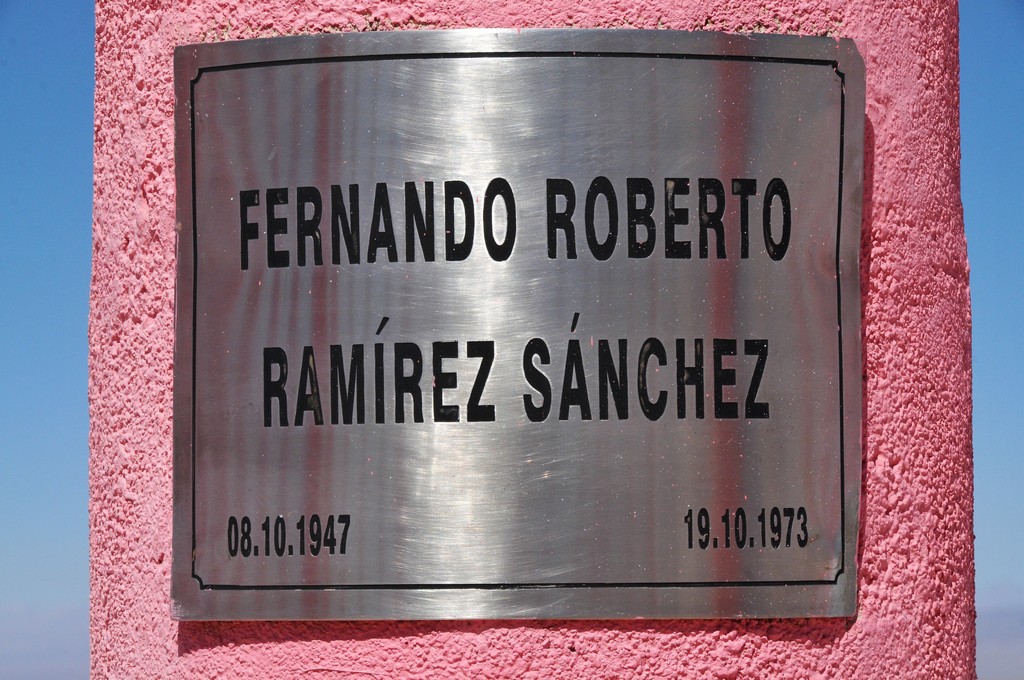
This is his fathers plaque of remembrance.
DSC_8383
DSC_8386
With a slight redrawing of Latin borders, the Atacama would not be Chilean at all. Wedged as it is into a 600-mile strip in the extreme north of the state, its salt plains and boulders push firmly against the borders of Argentina, Bolivia, and Peru. Yet this merely supplies it with a remoteness that adds to its charm. The Atacama Desert is Chile at its most serrated; Chile without a safety net.
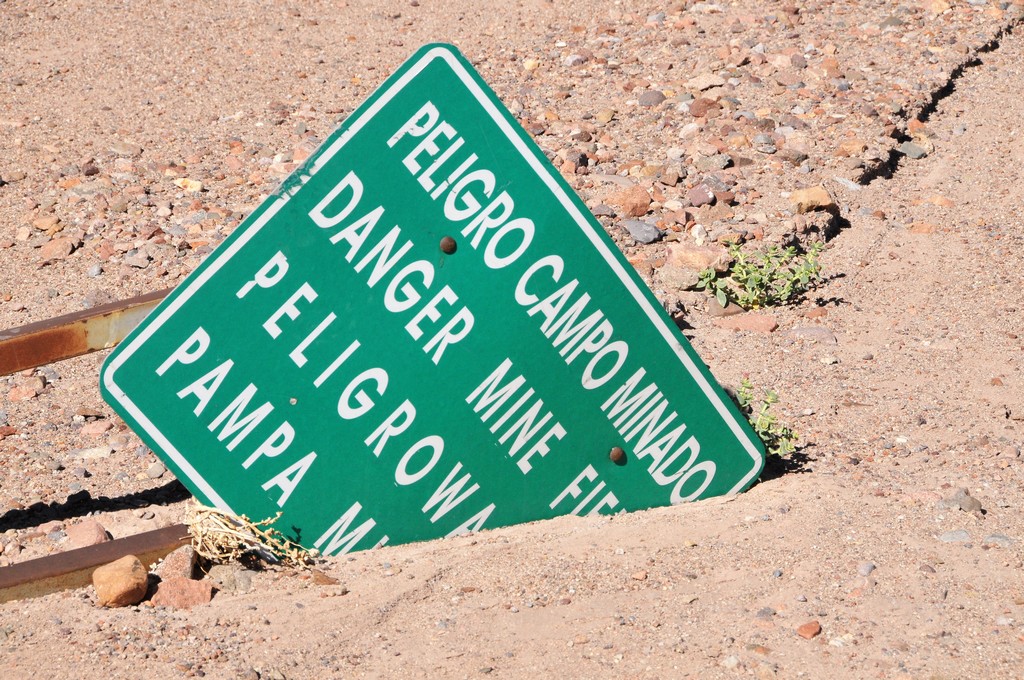
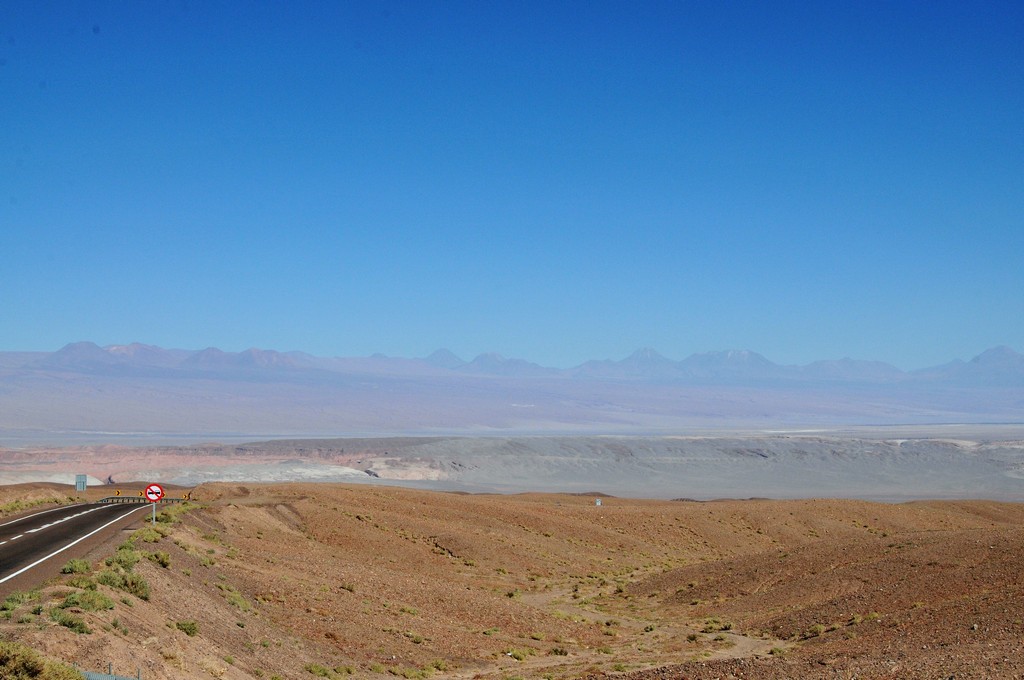
Danger mine field.   The high desert sand claims everything including signs warning of danger.
The Atacama Desert is a plateau in South America, covering a 600-mile strip of land on the Pacific coast, west of the Andes mountains. It is the driest desert in the world, as well as the only true desert to receive less precipitation than the polar deserts. According to estimates, the Atacama Desert occupies 41,000 sq miles and 49,000 sq miles of the barren lower slopes of the Andes are included also..
The Atacama Desert may be the oldest desert on earth, and has experienced extreme hyper aridity for at least 3 million years, making it the oldest continuously arid region on earth.
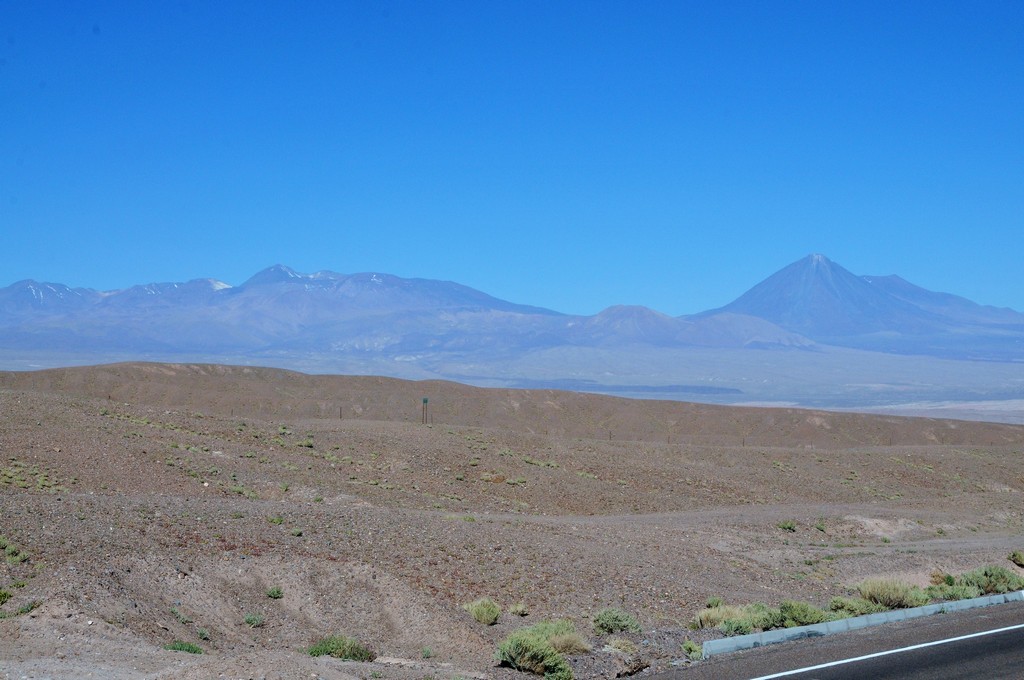
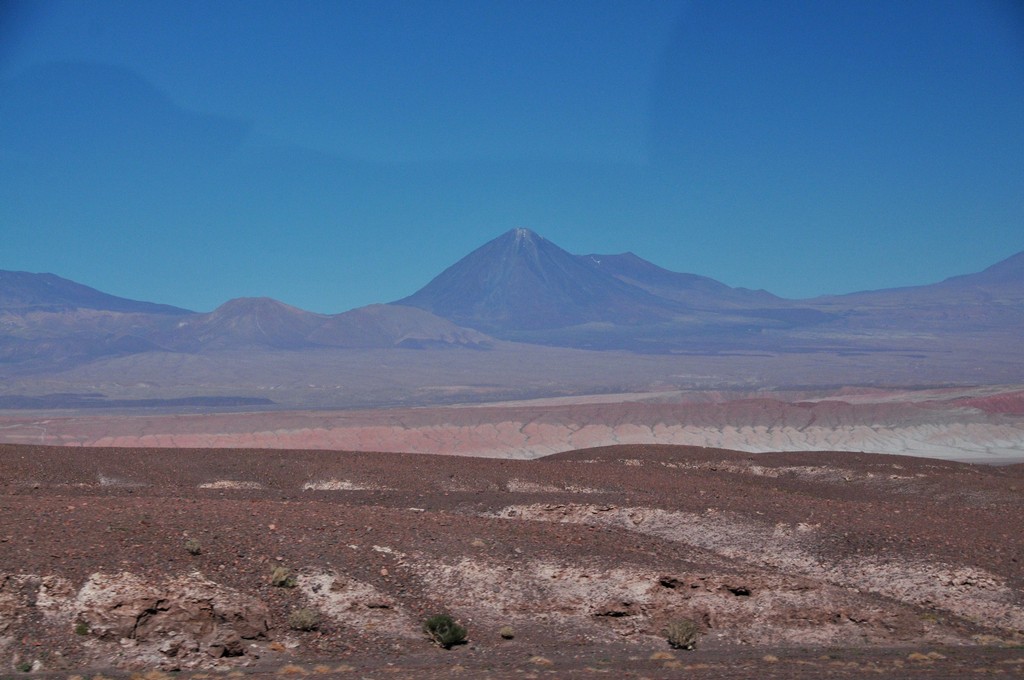
Extinct volcanos
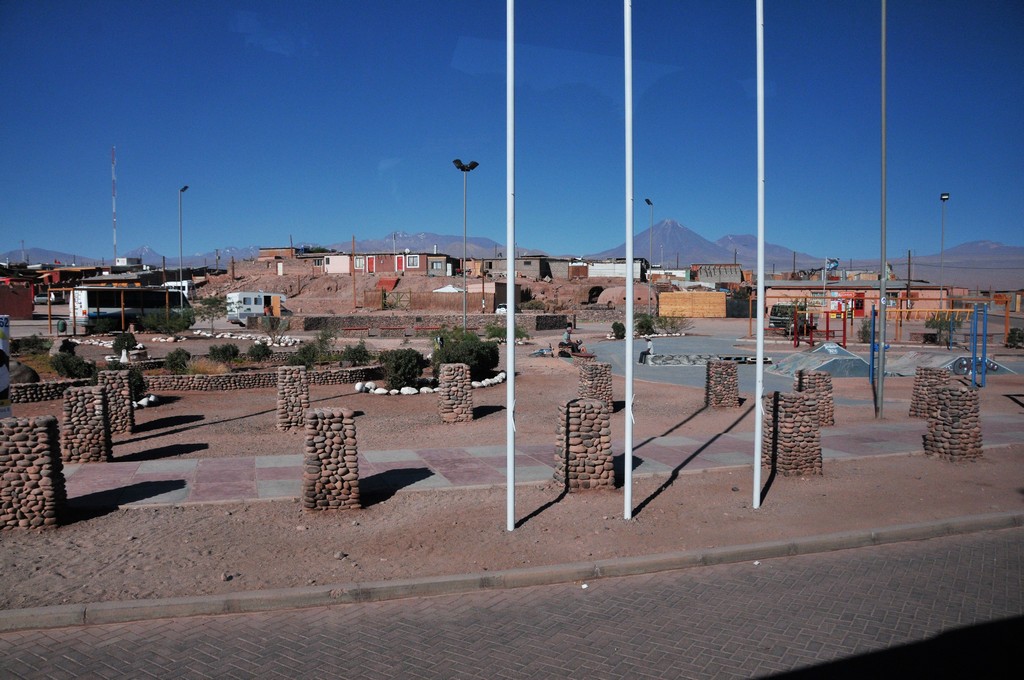
Outskirts of San Pedro de Atacama
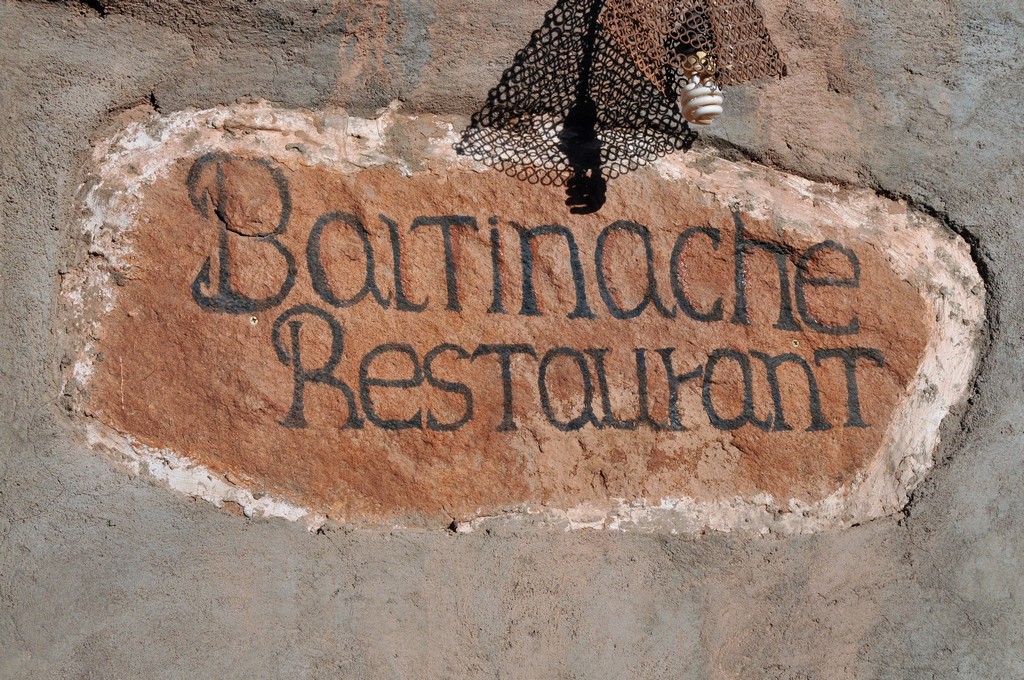
Name of the restaurant we ate dinner in San Pedro de Atacama.
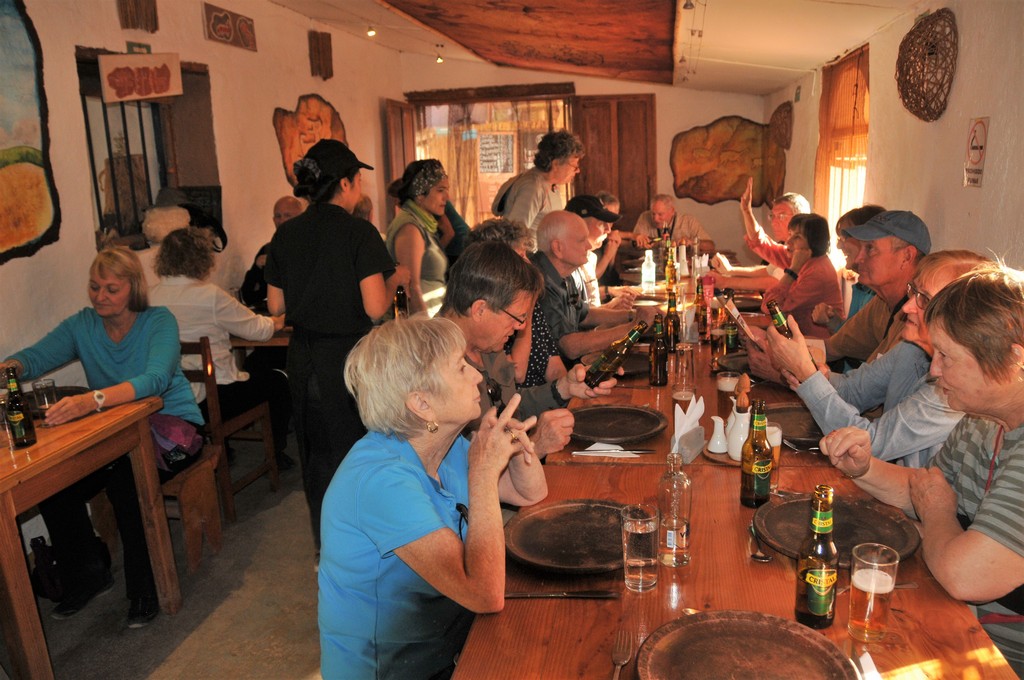
Baltinache is a unique small restaurant in San Pedro. Its daily menu incorporates native ingredients as well as typically Chilean preparations.  This intimate restaurant has a lot of charm.  It's not the easiest to find, but it's worth the trip.
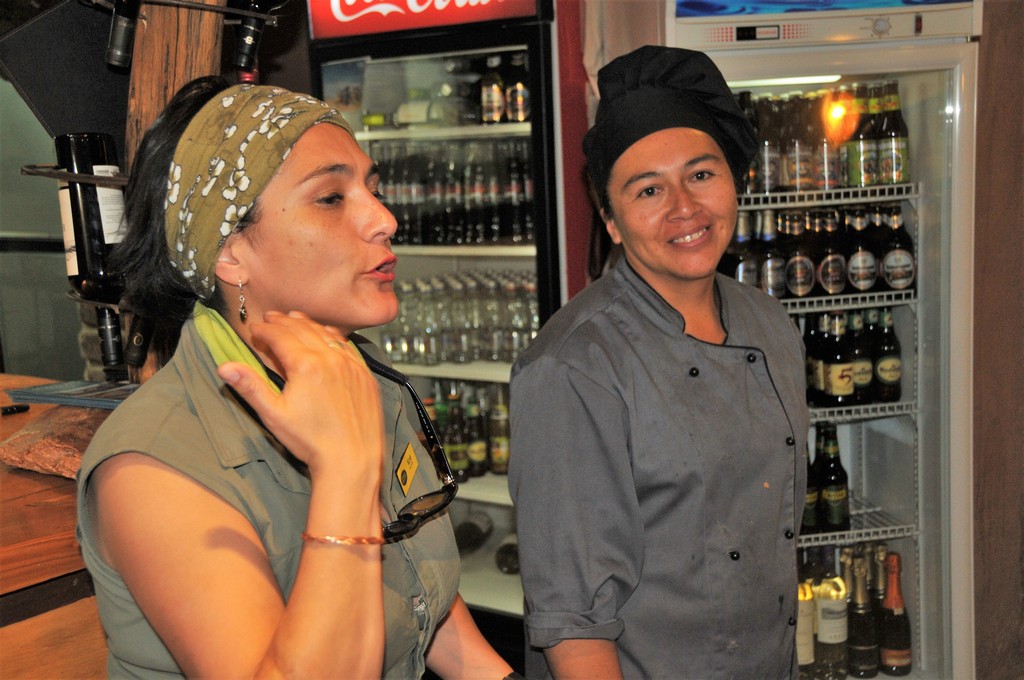
We enjoyed a great dinner of local indigenous fusions of food by chef Marta, the owner.
Nicole, our guide introducing Marta to our group of travelers. She was taking a few well earned minutes of rest after preparing a great meal.
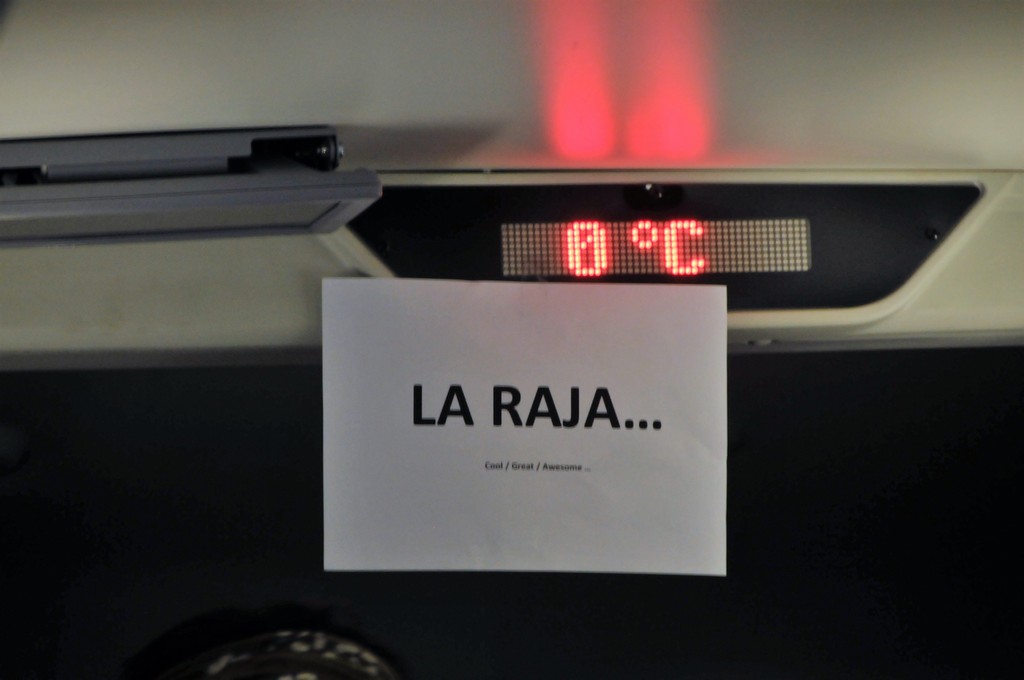
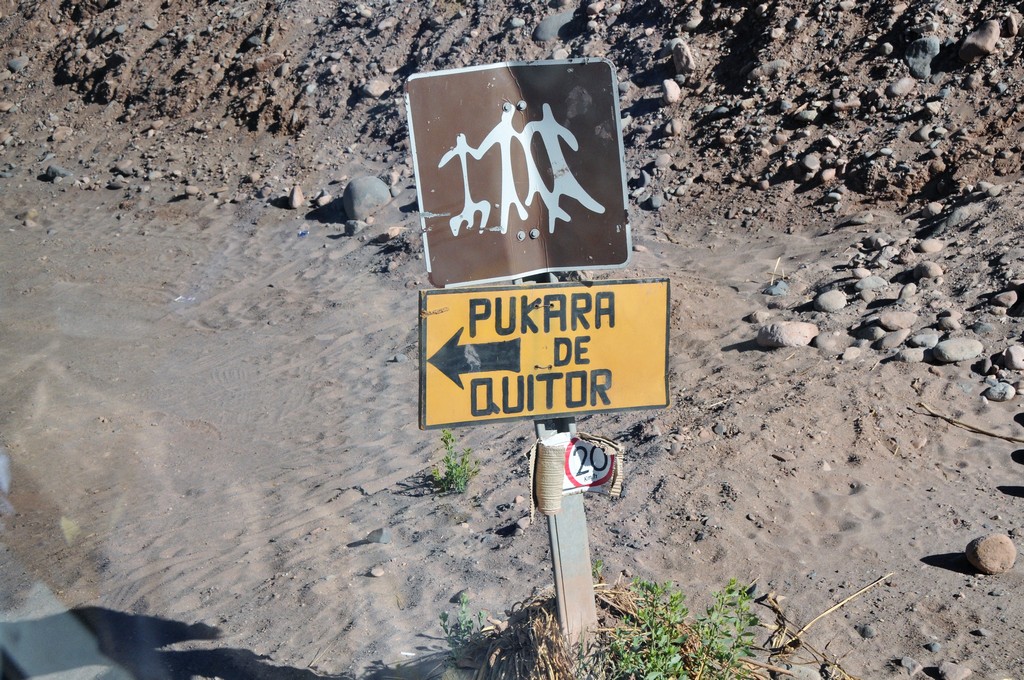
Another local word we learned for today.
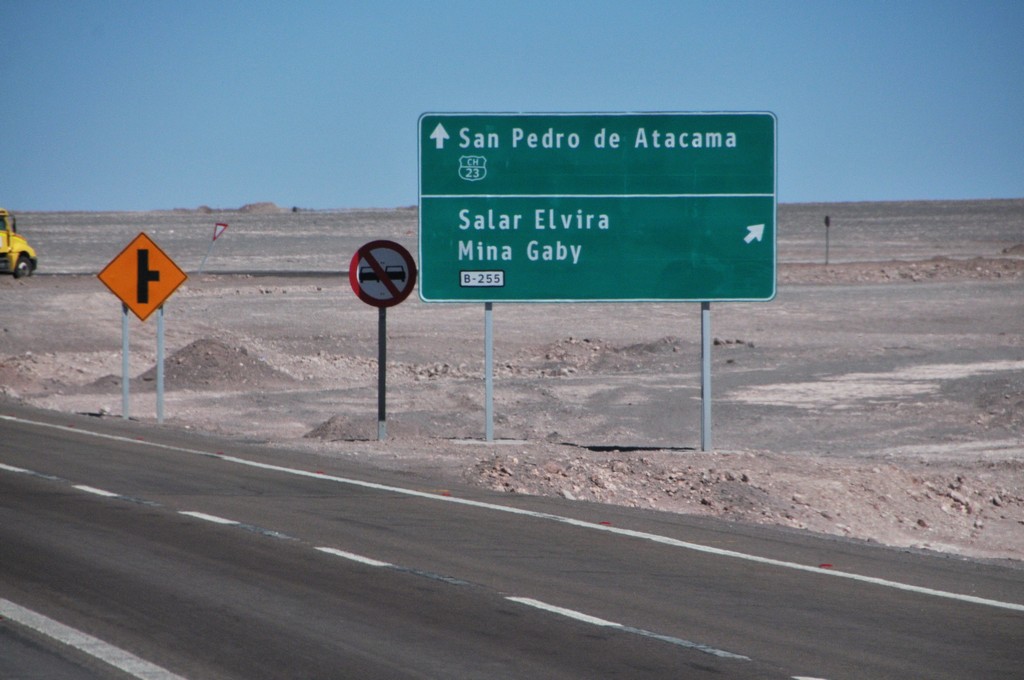
Interesting road sign on the top portion of the signs.
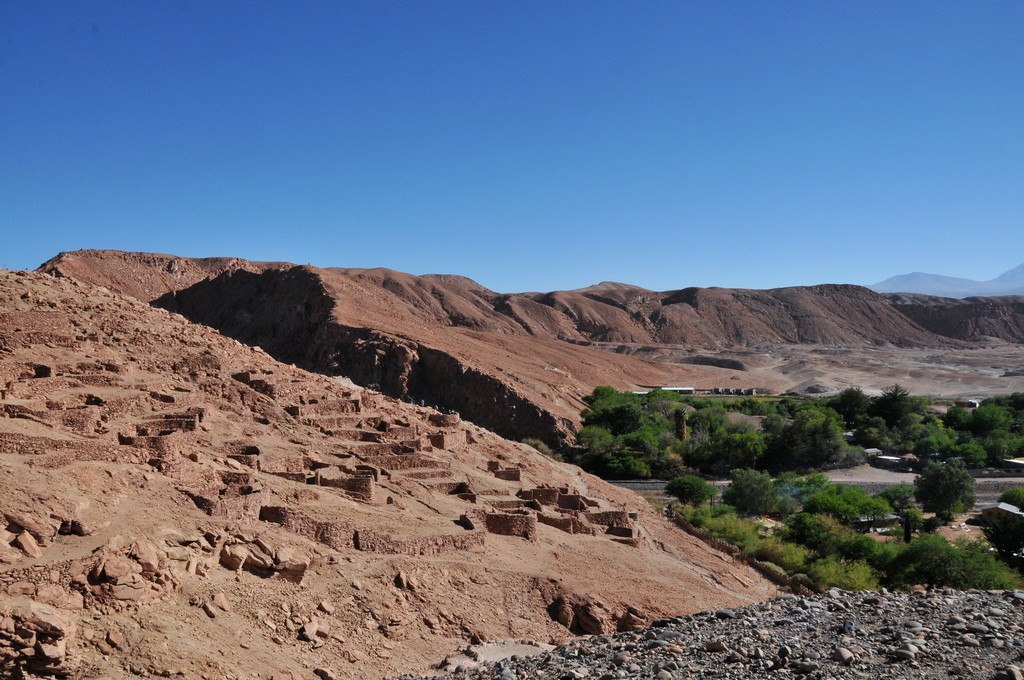
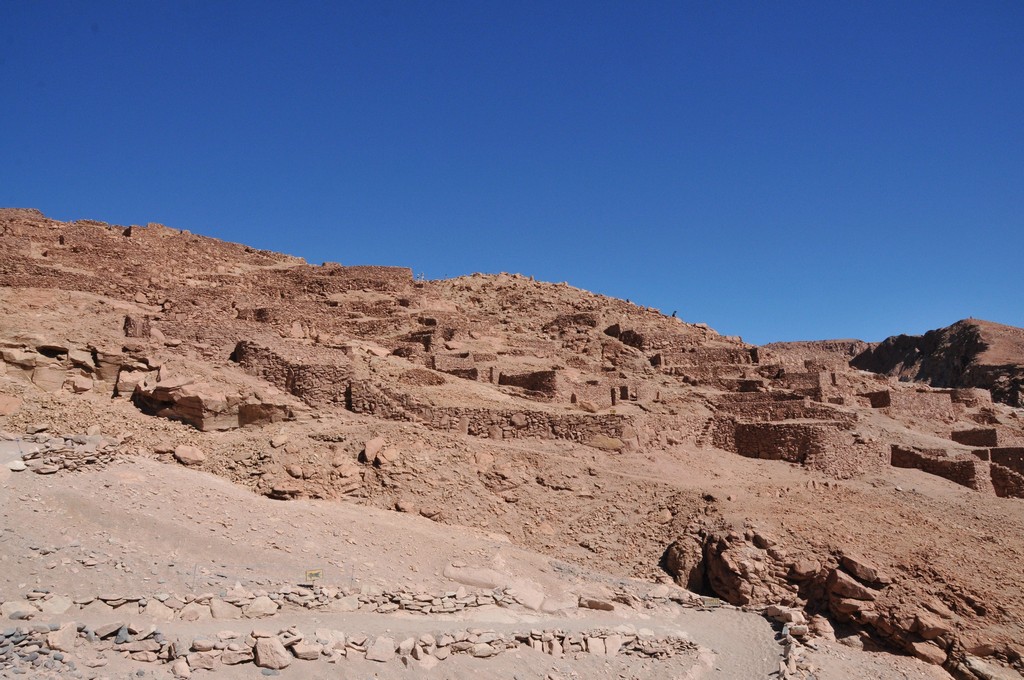
Pukará de Quitor is a pre-Columbian archaeological site in northern Chile.
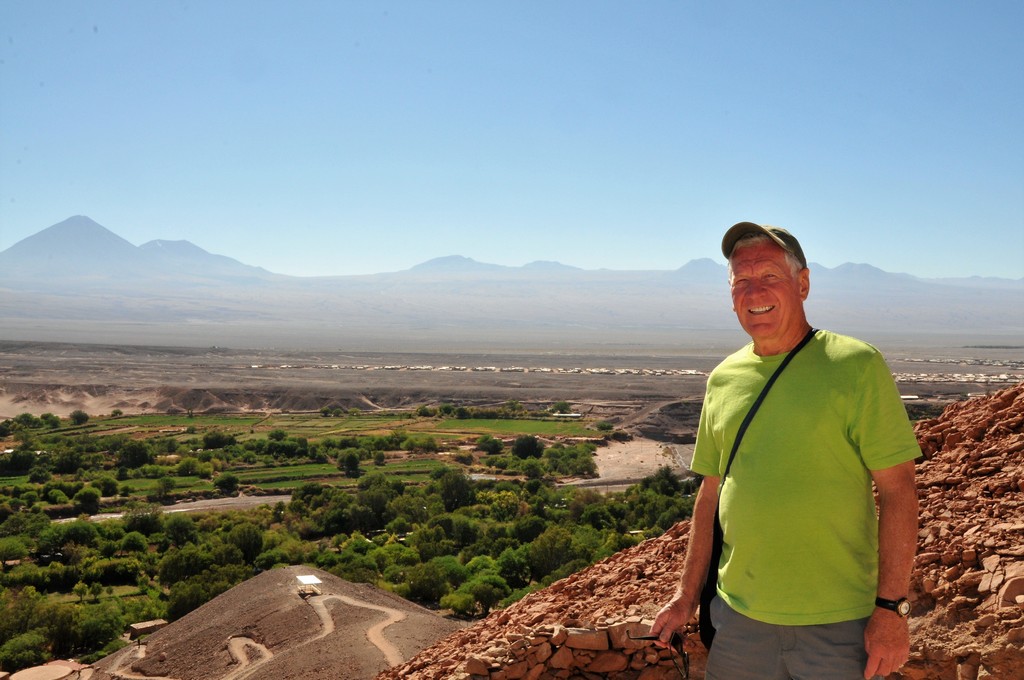
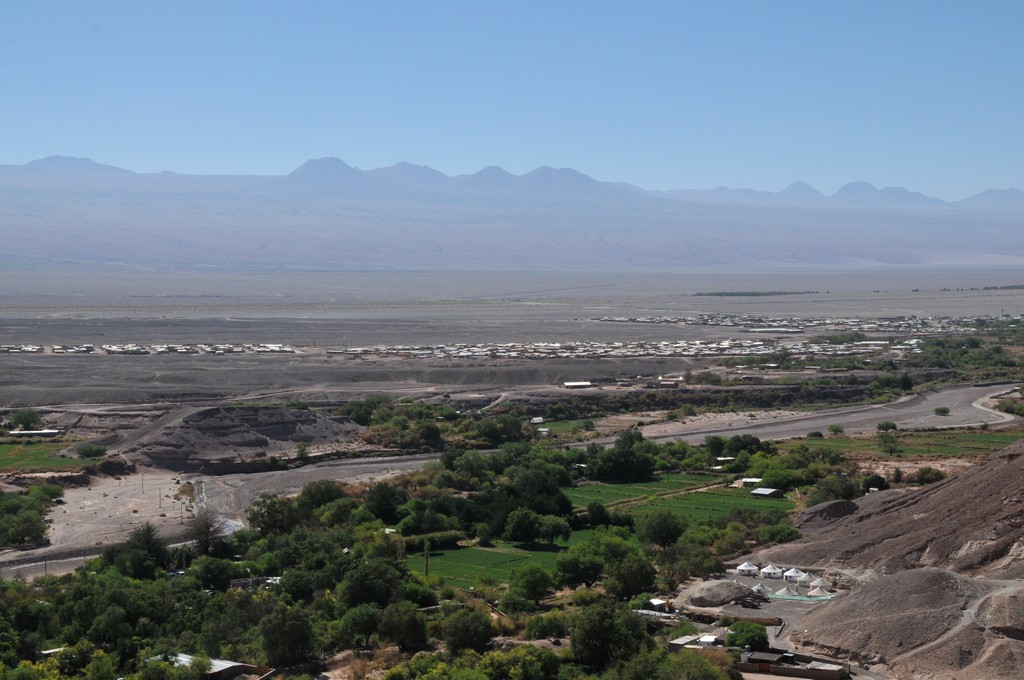
In the distance is San Pedro de Atacama.
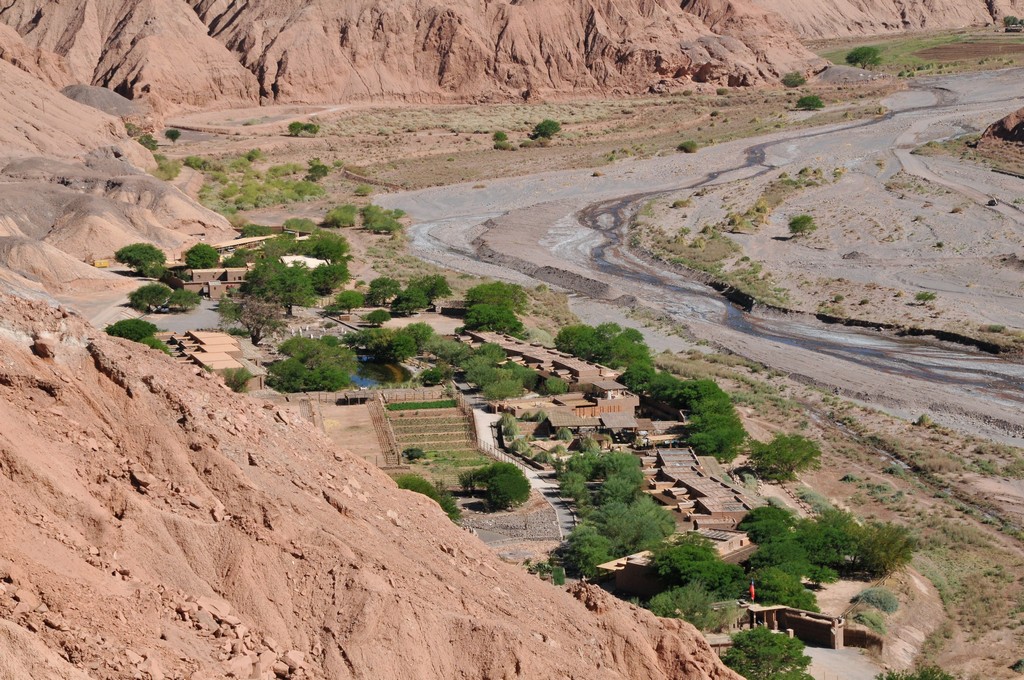
Looking down into the valley below after hiking to the top areas overlooking the landscape of the Atacama.
DSC_8407
Pukará de Quitor, declared a National Monument in 1982, is an ancient Inca fortress built in the 12th century, strategically placed on the side of a hill protected by a gorge over the river. Quitor was taken over by Spaniards in 1540.  It was built with large and small stones kept together by mud used as mortar.
[Show slideshow]
◄ 1 ... 13 14 15 ... 30 ►
© 2026 Jim Schroder